
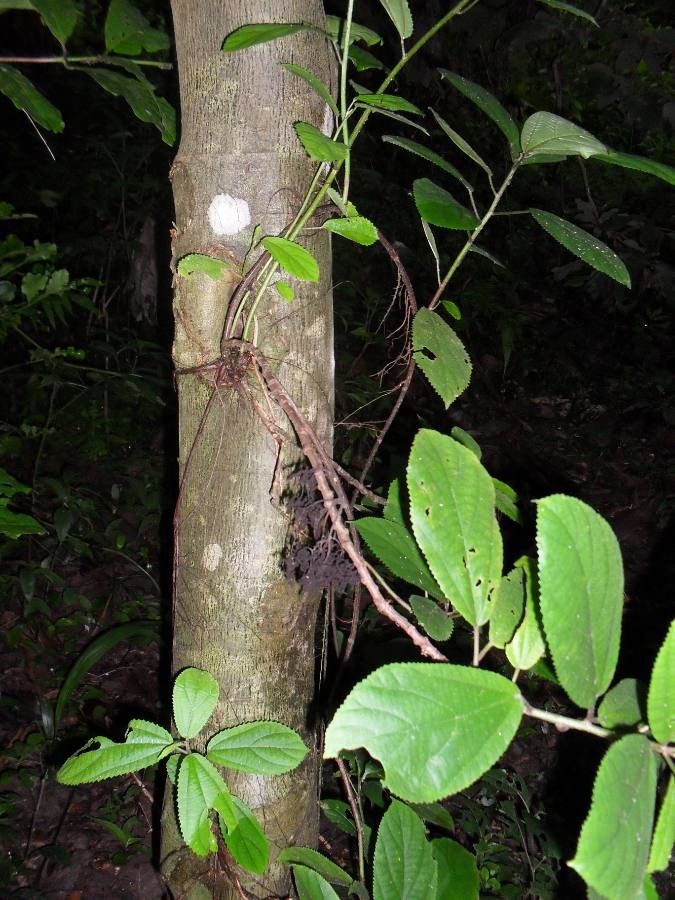
Unlocking the Secrets of the Velvet Leaf: A Guide to Propagating Scepocarpus oblongifolius
The Scepocarpus oblongifolius, more affectionately known as the Velvet Leaf, is a plant that captivates with its unique texture and vibrant blooms. Native to the tropical regions of South America, this member of the Gesneriad family boasts fuzzy, deep green leaves and fiery orange, tubular flowers that resemble miniature trumpets.
While its exotic beauty might seem intimidating, propagating Scepocarpus oblongifolius is a surprisingly achievable feat for plant enthusiasts of all levels. Let’s unlock the secrets to successfully multiplying your Velvet Leaf collection and filling your home with its tropical charm.
Methods of Propagation:
Leaf Cuttings: This method reigns supreme for its simplicity and effectiveness.
- Select a healthy, mature leaf. Look for a leaf that’s firm and free from any damage or discoloration.
- Make clean cuts. Using a sterile, sharp blade, carefully cut the leaf into sections. Each section should include a portion of the midrib or a prominent vein, as this is where new growth originates.
- Prepare the planting medium. A well-draining mix, like a combination of perlite and peat moss, is ideal. Moisten the mix thoroughly.
- Plant the leaf sections. Place the cut end of each section into the planting medium, ensuring at least half an inch is buried.
- Create a humid environment. Cover the pot with a clear plastic bag or place it in a propagator to maintain high humidity, crucial for successful rooting.
- Provide indirect light. Place the pot in a bright location, but avoid direct sunlight which can scorch the delicate cuttings.
- Be patient. Rooting can take anywhere from a few weeks to a couple of months. Once new growth appears, you can gradually acclimate the plantlets to normal humidity levels.
Stem Cuttings: Similar to leaf cuttings, stem cuttings offer another effective propagation method.
- Identify a healthy stem. Choose a stem that’s at least 3-4 inches long and has several nodes (small bumps on the stem where leaves emerge).
- Make a clean cut below a node. Remove any leaves from the lower portion of the stem, leaving a few at the top.
- Follow steps 3-7 as outlined in the leaf cutting method.
- Seeds: While less common, Scepocarpus oblongifolius can be grown from seed. However, seeds can be challenging to find and may require a longer time to mature into a full plant.
Tips for Success:
- Sterilization is key. Always sterilize your cutting tools and use clean planting materials to prevent fungal or bacterial infections.
- Don’t overwater. While high humidity is crucial, overwatering can lead to root rot. Only water when the top inch of the planting medium feels dry.
- Patience is a virtue. Propagating Scepocarpus oblongifolius requires patience. Don’t be discouraged if you don’t see results immediately.
- Enjoy the process! Watching new life emerge from a simple leaf or stem cutting is a rewarding experience.
By following these simple steps and arming yourself with a bit of patience, you can successfully propagate your own Scepocarpus oblongifolius plants and enjoy the captivating beauty of these velvety wonders for years to come.