
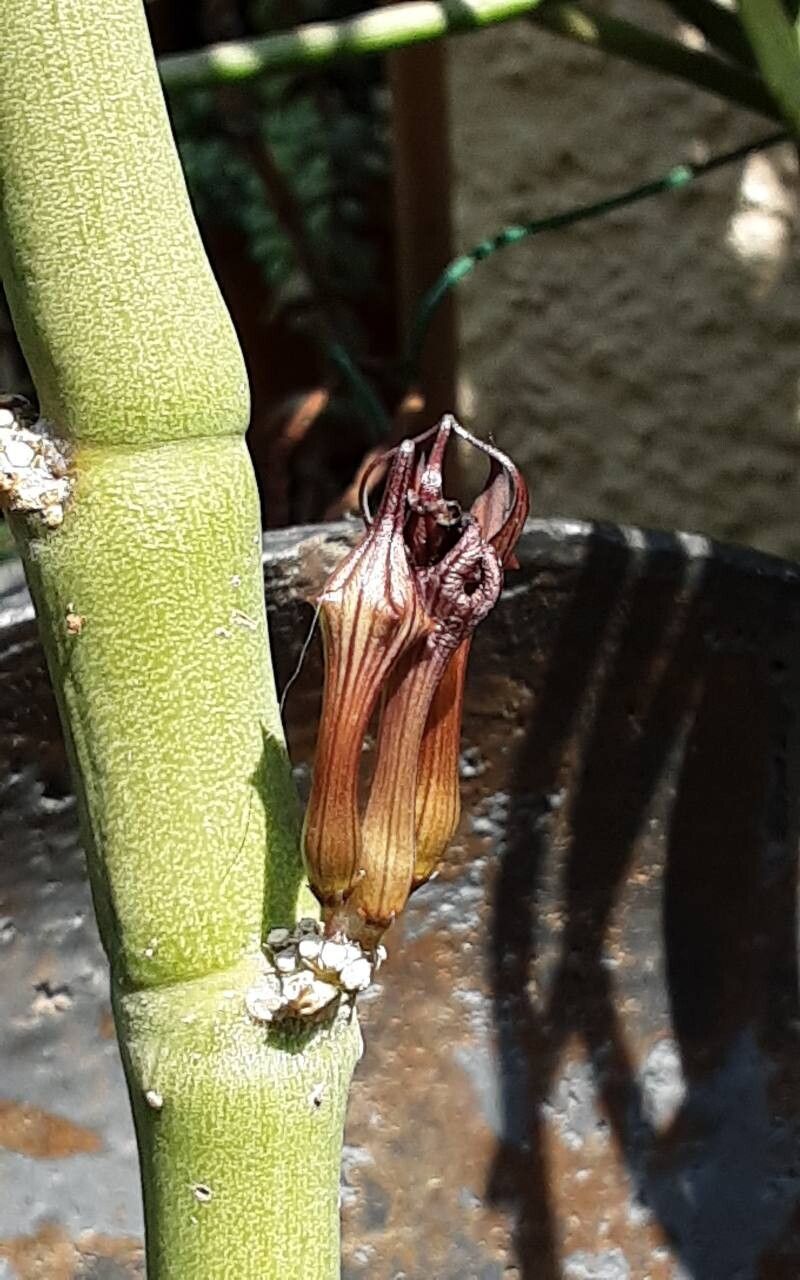
Unlocking the Secrets of Ceropegia fusca Propagation: A Guide to Multiplying the “Bushman’s Pipe”
The “Bushman’s Pipe,” also known as Ceropegia fusca, is a fascinating succulent that commands attention with its unique, almost alien appearance. Native to South Africa, this intriguing plant sports long, dark, pipe-like stems and delicate, spotted flowers, making it a prized possession for succulent enthusiasts. If you’re lucky enough to own one and want to expand your collection, you’re in luck! Propagation is surprisingly achievable with a bit of patience and the right know-how.
Getting to know Ceropegia fusca:
Before we delve into propagation, let’s understand what makes this plant tick. Ceropegia fusca thrives in bright, indirect light and well-draining soil. Being a succulent, it stores water in its stems, making it relatively drought-tolerant. However, overwatering can be detrimental, leading to root rot.
Methods for Propagation:
Ceropegia fusca can be propagated through two primary methods:
1. Stem Cuttings:
This method is the most popular and relatively straightforward. Here’s a step-by-step guide:
- Take the cutting: Using a clean, sharp knife or pruning shears, cut a healthy stem segment, ideally 4-6 inches long. Make sure to take the cutting from a point where the stem is firm and not too woody.
- Let it callus: Allow the cut end of the stem to dry and form a callus. This is crucial to prevent rotting when planted. Leave the cutting in a dry, shaded area for about a week.
- Prepare the planting medium: Choose a well-draining soil mix specifically formulated for succulents or cacti.
- Planting the cutting: Once the callus has formed, dip the cut end in rooting hormone (optional but beneficial) and gently insert it into the prepared soil. Only bury a small portion of the stem, leaving most of it above the soil line.
- Water sparingly & Provide Light: Water the cutting lightly, ensuring the soil is just damp, not soggy. Place the pot in a bright location with indirect light.
- Be Patient: It may take several weeks for roots to develop. Once you notice new growth, you’ll know your propagation has been successful!
2. Seed Propagation:
While less common, propagating Ceropegia fusca from seeds is possible, albeit more challenging. Seeds are generally available from specialist nurseries or online retailers.
- Sow the seeds: Sprinkle the seeds over a well-draining seed-starting mix and lightly press them down. You don’t need to bury the seeds, as they require light to germinate.
- Mist and cover: Lightly mist the soil surface with water and cover the container with a plastic wrap or humidity dome to create a warm, humid environment.
- Provide light: Place the container in a bright location, out of direct sunlight.
- Germination: Be patient! Seed germination can be erratic and may take several weeks or even months.
- Transplanting: Once the seedlings are large enough to handle, carefully transplant them into individual pots.
Tips for Success:
- Timing is Key: Spring and early summer are the ideal times to propagate Ceropegia fusca, as the plant is actively growing.
- Sterilize Your Tools: Always use clean, sterilized cutting tools to minimize the risk of introducing bacteria or diseases.
- Avoid Overwatering: Ceropegia fusca is susceptible to root rot. Water only when the soil is completely dry to the touch.
- Patience is a Virtue: Propagation takes time and dedication. Don’t get discouraged if you don’t see results immediately.
With a little effort and these guidelines, you can successfully propagate your Ceropegia fusca and enjoy the satisfaction of expanding your collection of this captivating plant. So, get your hands dirty, and let the propagation journey begin!