
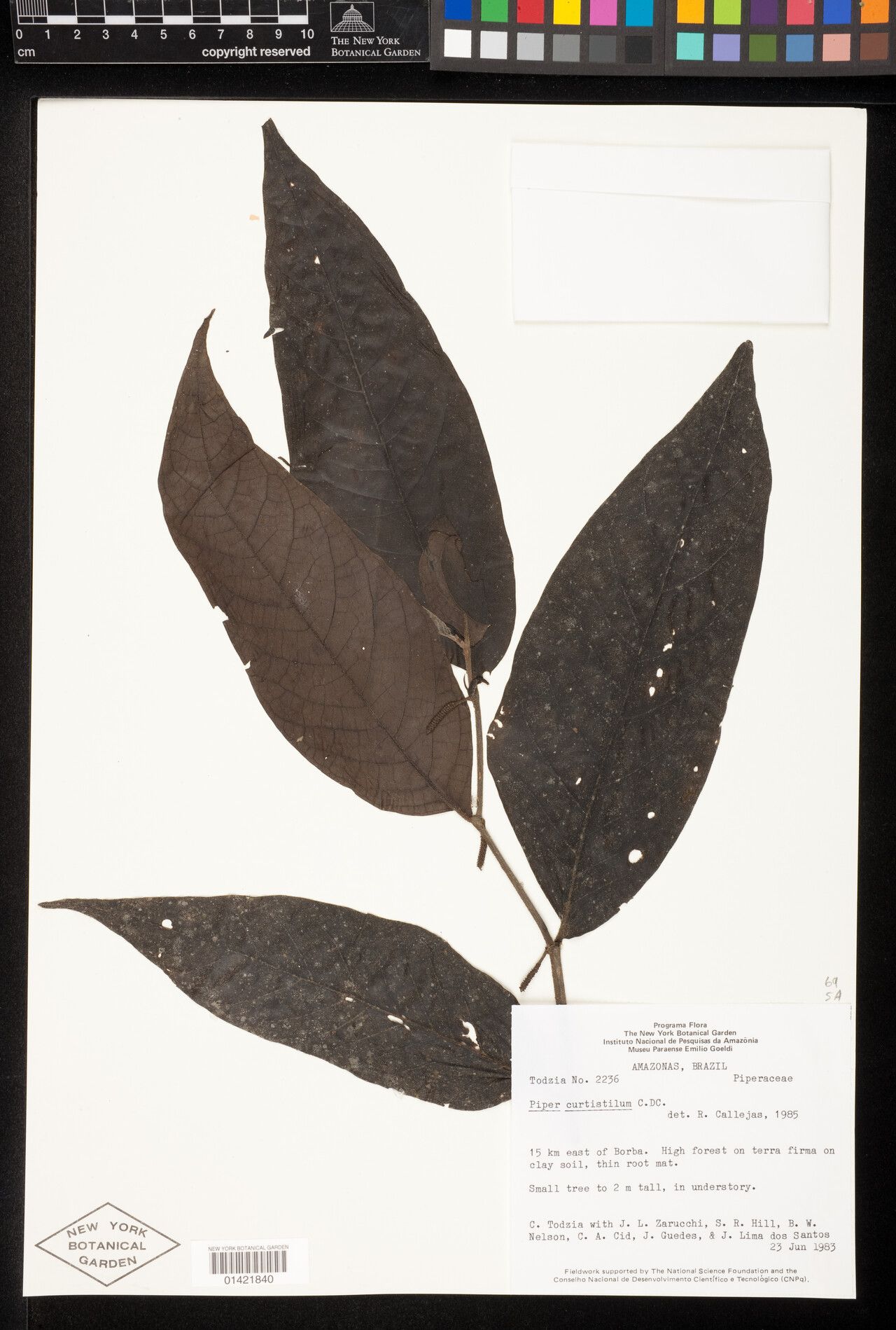
Unlocking the Secrets of Piper Curtistilum Propagation: A Guide to Growing This Tropical Gem
Piper curtistilum, with its lush foliage and intriguing peppercorn lineage, might seem like a rare and exotic beauty best admired from afar. However, don’t let its tropical allure intimidate you! Propagating this stunning plant is achievable even for those new to the world of plant parenthood. This guide will delve into the secrets of successfully growing new Piper curtistilum plants, empowering you to expand your indoor jungle with this unique species.
Understanding the Plant:
Native to Southeast Asia, Piper curtistilum belongs to the Piperaceae family, making it a relative of the black pepper plant. It boasts glossy, deep green leaves with prominent veins, adding a touch of the tropics to any space. While flowering is rare indoors, the foliage itself offers a captivating visual appeal.
Methods for Success:
Piper curtistilum can be propagated through two primary methods, each offering its own advantages:
1. Stem Cuttings:
This method involves taking a healthy cutting from a mature plant and encouraging it to develop roots. Here’s a breakdown:
- Timing: Spring or early summer, when the plant is actively growing, offers the highest success rate.
- Taking the Cutting: Choose a healthy stem, ideally with at least two nodes (the bumps where leaves emerge). Using clean, sharp shears, cut below a node at a 45-degree angle.
- Prepping the Cutting: Remove the leaves from the lower node to prevent them from rotting in the rooting medium.
- Rooting Medium: A well-draining mix is essential. You can use a peat-based seed starting mix or create your own by combining equal parts peat moss, perlite, and vermiculite.
- Planting: Dip the cut end in rooting hormone (optional but recommended) and gently insert it into the prepared medium. Ensure the lower node is buried.
- Environment: Maintain a warm, humid environment. A humidity dome or placing the pot in a clear plastic bag can help. Place it in a bright location, out of direct sunlight.
2. Air Layering:
This technique encourages root development on a stem while still attached to the mother plant. It’s slightly more advanced but yields excellent results:
- Selecting the Stem: Choose a healthy stem that’s at least a year old.
- Making the Cut: Carefully make an upward, 1-inch incision just below a node. Insert a toothpick to prevent the cut from closing.
- Applying Rooting Hormone: Dust the wounded area with rooting hormone.
- Wrap and Secure: Encase the wounded area with moist sphagnum moss and wrap it tightly with plastic wrap, securing both ends with twine.
- Monitoring: Keep the moss consistently moist. Roots will take several weeks to develop.
- Separating: Once roots are visible through the plastic wrap, carefully cut the stem below the new roots and pot it in a well-draining mix.
Patience is Key:
Regardless of the method, remember that propagation requires patience. It may take several weeks or even months for roots to establish. Ensure to provide consistent moisture and monitor the cutting’s progress.
With a little effort and the right knowledge, you can successfully propagate your Piper curtistilum, expanding your plant collection and surrounding yourself with the beauty of this tropical gem.