
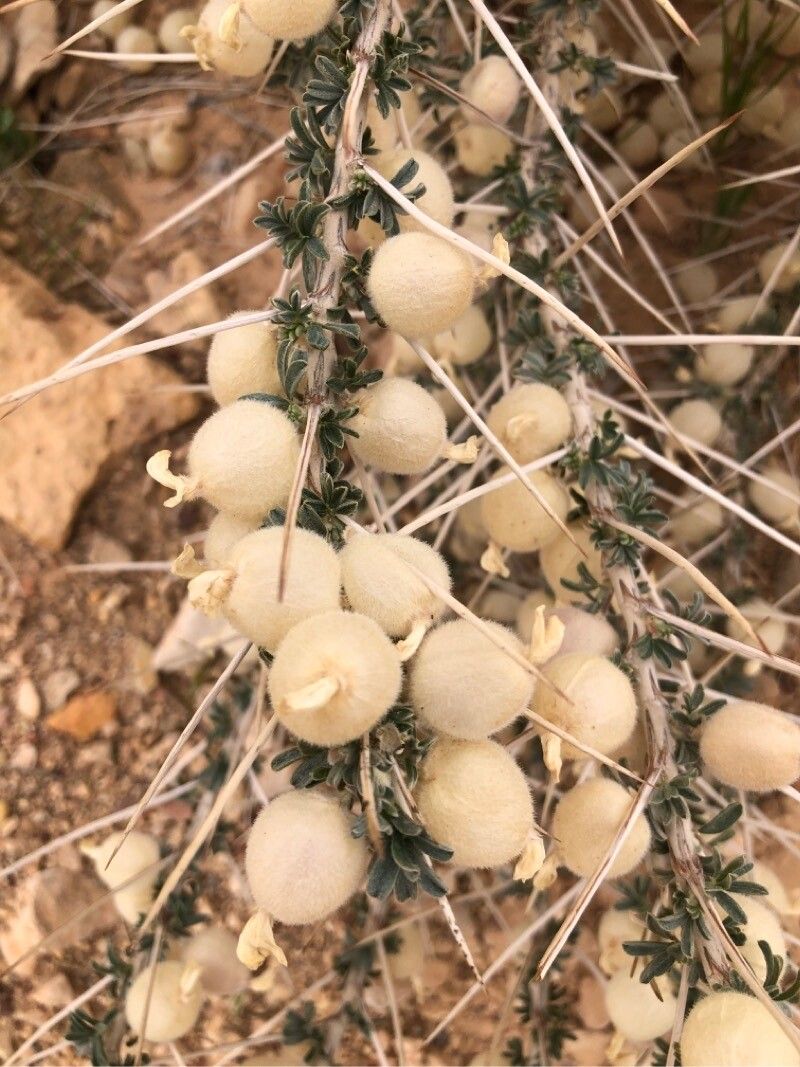
Taming the Thorny Beauty: A Guide to Propagating Astragalus armatus
Astragalus armatus, also known as the Spiny Milkvetch, is a fascinating plant that captures attention with its unique, spiky foliage and delicate, cream-colored flowers. Native to the Mediterranean region, this drought-tolerant marvel can be a striking addition to rock gardens, xeriscapes, or even used as a protective, yet ornamental, border.
While obtaining Astragalus armatus may require a bit of searching, the real adventure begins with its propagation. Unlike plants that readily root from cuttings, this thorny beauty demands a bit more finesse. But fear not, persistent gardeners will be rewarded with new growth and the satisfaction of successfully propagating this unusual plant.
Let’s explore the two main methods to propagate Astragalus armatus:
1. Seed Sowing: A Test of Patience:
- Obtain fresh seeds: Sourcing seeds can be the trickiest part. Check online retailers specializing in unusual or Mediterranean plants.
- Break the dormancy: Astragalus armatus seeds have a hard outer coating that requires scarification to enhance germination. Gently rub the seeds between two pieces of sandpaper just enough to nick the outer shell.
- Cold stratification: Mimic nature by giving the seeds a period of cold treatment. Place the scarified seeds between moist paper towels in a sealed plastic bag and refrigerate for 4-6 weeks.
- Sow with care: Plant the cold-stratified seeds in a well-draining seed starting mix, barely covering them with soil. Maintain consistent moisture and a warm temperature (around 70°F or 21°C).
- Germination wait: Be prepared for a wait, as germination can take anywhere from a few weeks to several months.
2. Basal Cuttings: A More Reliable Approach:
- Timing is key: Early spring, just as new growth emerges, is the ideal time to take basal cuttings.
- Choose wisely: Look for healthy, new shoots emerging from the base of the plant. Using a sharp, sterilized knife or pruners, take a 3-4 inch cutting just below a leaf node.
- Hormone help: While not strictly necessary, dipping the cut end in rooting hormone can encourage faster and more successful rooting.
- Potting mix matters: Use a well-draining, gritty mix that retains moisture but doesn’t become waterlogged. A blend of perlite, vermiculite, and peat moss works well.
- Create a humid environment: Cover the pot with a clear plastic bag or use a humidity dome to maintain moisture around the cutting. Place in a bright location out of direct sunlight.
- Patience is a virtue: Keep the potting mix consistently moist but not overly wet. Rooting can take several weeks or even months. Once you see new growth, you’ll know your cutting has successfully rooted.
Tips for Success:
- Sanitation is key: Always use sterilized tools when taking cuttings to prevent the spread of diseases.
- Don’t overwater: Astragalus armatus is highly susceptible to root rot, so err on the side of caution when watering.
- Provide ample light: Place your cuttings or seedlings in a bright location, but avoid harsh, direct sunlight which can scorch the delicate new growth.
Propagating Astragalus armatus is a fulfilling challenge for any plant enthusiast. With patience, the right techniques, and a touch of green thumb magic, you can multiply your collection and enjoy the unique beauty of this spiny marvel for years to come.