
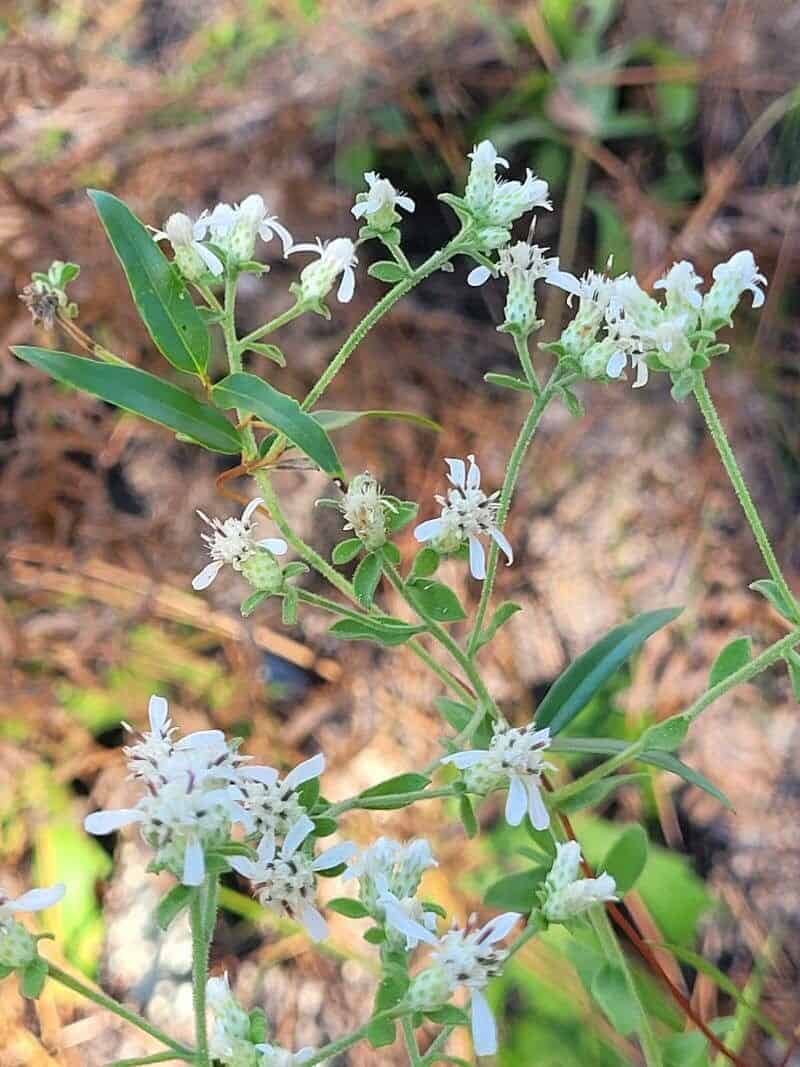
Twisting Your Green Thumb: Propagating the Unique Sericocarpus tortifolius
The world of plants is brimming with diversity, offering fascinating species for every plant enthusiast. Among these, the Sericocarpus tortifolius, commonly known as the White-topped aster or Twistleaf whitetop aster, stands out with its unique charm. This North American native, boasting delicate white flowers and distinctively twisted leaves, isn’t just a visual treat but also relatively easy to propagate, making it a rewarding addition to any garden or home. Let’s delve into the how-to of welcoming this fascinating plant into your life.
Understanding the Basics
Before jumping into propagation techniques, it’s beneficial to understand the Sericocarpus tortifolius‘ preferred growing conditions:
- Sunlight: This plant thrives in full sun to partial shade.
- Soil: Well-drained soil is crucial. It prefers slightly acidic to neutral pH levels.
- Moisture: While somewhat drought-tolerant once established, consistent moisture, especially during the initial growth stages, is ideal.
Methods of Propagation
There are two primary methods for propagating Sericocarpus tortifolius:
1. Seed Propagation:
This method, best undertaken in the fall or early spring, requires patience but can be highly rewarding:
- Collecting Seeds: Harvest mature seed heads from existing plants. Look for dry, brown seed heads.
- Preparing for Sowing: Clean the seeds by removing any chaff or debris. You can cold stratify the seeds by storing them in a moist paper towel in the refrigerator for a few weeks. While not mandatory, this can enhance germination rates.
- Sowing: Plant the seeds in seed trays or pots filled with a well-draining seed-starting mix. Sow them shallowly, barely covering them with soil.
- Care: Water gently but consistently, ensuring the soil remains moist but not waterlogged. Provide adequate sunlight.
- Transplanting: Once the seedlings are a few inches tall and have developed a strong root system, you can transplant them into larger pots or your garden.
2. Division:
Dividing existing plants is an excellent method for mature Sericocarpus tortifolius and is typically done in spring or fall:
- Lifting the Plant: Carefully dig up the plant, ensuring you get a good portion of the root system.
- Division: Using a sharp, clean knife or garden shears, divide the root ball into sections. Each section should have a healthy amount of roots and shoots.
- Replanting: Replant the divisions in well-prepared soil, ensuring they are at the same depth as they were originally planted. Water them thoroughly.
Tips for Success:
- Timing is key: Spring and fall usually offer ideal temperature and moisture levels for successful propagation.
- Patience is a virtue: Remember, plants operate on their own timeline. Don’t be disheartened if you don’t see results immediately.
- Observation is crucial: Regularly check for signs of new growth, pests, or diseases, and adjust your care regimen accordingly.
Adding Beauty and Resilience to Your Surroundings
Propagating Sericocarpus tortifolius isn’t merely about multiplying plants; it’s about connecting with nature’s resilience and beauty. This easy-to-care-for species, once established, requires minimal maintenance and rewards you with charming blooms year after year, attracting pollinators and bringing vibrancy to your surroundings. So go ahead, get your hands a little dirty, and experience the joy of cultivating this unique plant!