
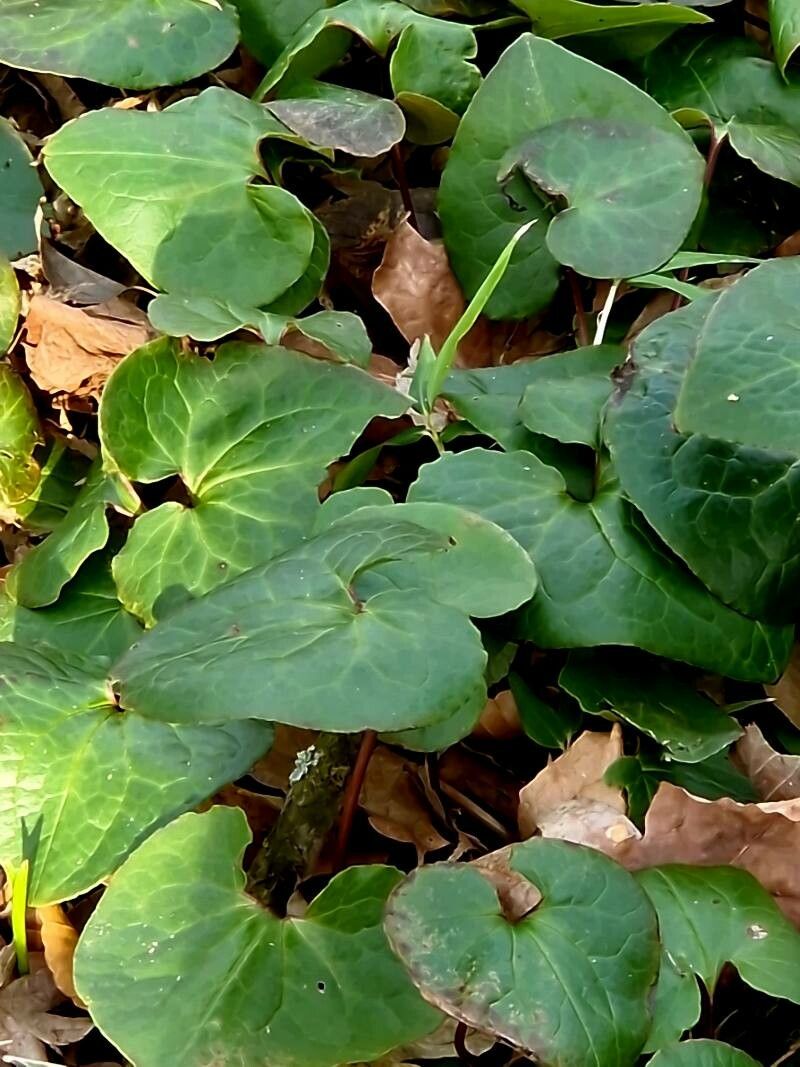
Unlocking the Secrets of Asarum Cardiophyllum Propagation: A Guide to Multiplying Your Heartleaf Ginger
Asarum cardiophyllum, affectionately known as Heartleaf Ginger for its charming heart-shaped foliage and ginger-like aroma, is a woodland treasure coveted by gardeners seeking unique ground cover. While acquiring this beauty from a nursery is one option, wouldn’t it be more rewarding to cultivate an entire patch from your existing plant? This guide delves into the fascinating world of Asarum cardiophyllum propagation, empowering you to multiply your Heartleaf Ginger and share its beauty.
Understanding the Basics
Before embarking on your propagation journey, it’s crucial to understand the ideal growing conditions for Asarum cardiophyllum. These plants thrive in shady, damp environments reminiscent of their woodland origins. Rich, well-drained soil with a slightly acidic pH is preferred. Mimicking these conditions in your garden will not only benefit your existing plant but also create the perfect environment for new propagules to flourish.
Propagation Methods
Two primary methods reign supreme for propagating Asarum cardiophyllum:
1. Division: This method, best undertaken in early spring or fall, takes advantage of the plant’s naturally spreading habit.
- Step 1: Prepare the Area: Choose a shady location with well-prepared soil, mirroring the conditions mentioned earlier.
- Step 2: Divide the Plant: Gently unearth your established Asarum cardiophyllum. Using clean, sharp shears or a gardening knife, carefully divide the rhizomes, ensuring each section has at least two healthy leaves and a good root system.
- Step 3: Replanting: Replant the divisions at the same depth they were originally growing. Water them thoroughly and provide a layer of organic mulch to retain moisture.
2. Seed Propagation: While slightly more challenging, seed propagation offers a rewarding experience for patient gardeners.
- Step 1: Seed Collection: Harvest ripe seed pods in late summer or early fall. Allow them to dry thoroughly before extracting the seeds.
- Step 2: Cold Stratification: Mimic natural winter conditions by storing the seeds in a moist medium (like vermiculite) within a refrigerator for 6-8 weeks. This process, known as cold stratification, is crucial for breaking seed dormancy.
- Step 3: Sowing the Seeds: Following stratification, sow the seeds in a seed tray filled with a well-draining seed starting mix. Keep the soil consistently moist and provide dappled light.
- Step 4: Transplanting: Once the seedlings develop a robust root system and a few true leaves (after several weeks to months), they can be transplanted into individual pots or directly into your garden in the preferred shady location.
Patience is Key and Tips for Success
Remember, Asarum cardiophyllum is a slow-growing plant. Whether you choose division or seed propagation, patience is key. It may take a year or two for your new plants to establish themselves and start showcasing their characteristic foliage.
Here are some additional tips for successful propagation:
- Maintain consistent moisture: These plants detest drying out, so ensure even watering, especially during their establishment phase.
- Protect from pests: Slugs and snails find Asarum cardiophyllum particularly delectable. Employ preventative measures like copper tape or diatomaceous earth.
- Enjoy the Process: Witnessing the magical transformation from division or seed to a thriving plant is a rewarding experience. Enjoy the journey!
By following these guidelines and embracing the art of patience, you’ll soon be surrounded by a lush carpet of heart-shaped leaves, filling your garden with the subtle charm and intriguing aroma of Asarum cardiophyllum.