
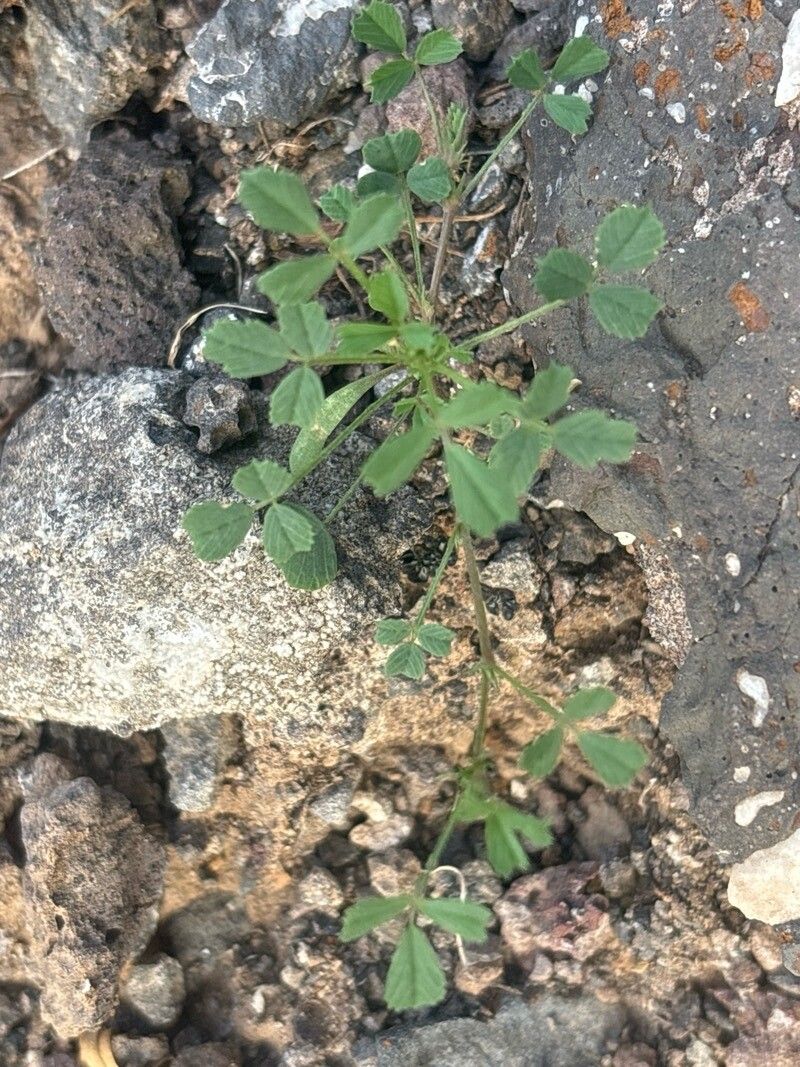
Unleashing the Secrets of Medicago laciniata: A Propagation Guide
Medicago laciniata, a fascinating plant with delicate foliage and intriguing seed pods, is a captivating addition to any garden. Whether you’re a seasoned gardener or just starting, understanding the art of propagation is key to enjoying more of these captivating plants year after year.
The Wonders of Medicago Laciniata
Native to Mediterranean regions, Medicago laciniata, also known as cutleaf medick, is an annual legume admired for its unique features:
- Intricate Foliage: Finely divided, fern-like leaves create a delicate texture, adding an airy feel to garden beds.
- Whimsical Seed Pods: Coiled seed pods resemble tiny snails, offering a textural element and a touch of whimsy.
- Beneficial Legume: As a nitrogen-fixing plant, it enriches the soil, benefiting surrounding vegetation.
But how do you go about multiplying these botanical wonders? Let’s delve into the world of Medicago laciniata propagation.
Seeds: The Path to New Beginnings
The most common and rewarding method of propagating Medicago laciniata is through seeds. Follow these steps for success:
- Seed Collection: Once the coiled seed pods turn brown and brittle, gently collect them. Allow the pods to dry fully in a well-ventilated area.
- Seed Extraction: Crack open the dried pods to reveal the small, brown seeds within.
- Sowing Time: For optimal germination, sow seeds directly outdoors after the last frost or start them indoors 6-8 weeks prior.
- Sowing Depth: Plant seeds approximately ¼ inch deep in well-draining soil.
- Watering: Keep the soil consistently moist but not waterlogged.
- Germination: You can expect to see seedlings emerge in 1-2 weeks.
Nurturing the Next Generation
Once your Medicago laciniata seedlings appear, providing them with proper care ensures vigorous growth:
- Sunlight: These sun-loving plants thrive in a location with at least six hours of direct sunlight daily.
- Watering: Water regularly, allowing the soil to dry slightly between waterings. Avoid overwatering, which can lead to root rot.
- Thinning: If seedlings are crowded, thin them out to provide adequate space for growth (around 6-8 inches apart).
- Pests and Diseases: While generally resistant, monitor for common garden pests and treat accordingly.
Beyond Propagation: Enjoying Your Medicago Laciniata
With successful propagation, you’ll have an abundance of these attractive plants to add to your garden. Here are a few ideas for incorporating them into your landscape:
- Groundcover: Their sprawling habit makes them a charming groundcover for small areas.
- Rock Gardens: The delicate foliage and unique seed pods add visual interest to rock gardens.
- Wildflower Meadows: Integrate them into wildflower meadows for a touch of natural beauty.
Propagating Medicago laciniata is a truly rewarding experience. It allows you to connect with the cycle of nature and fills your garden with these fascinating, easy-to-grow plants. So why not give it a try? You’ll be amazed by the beauty they bring to your outdoor space.