
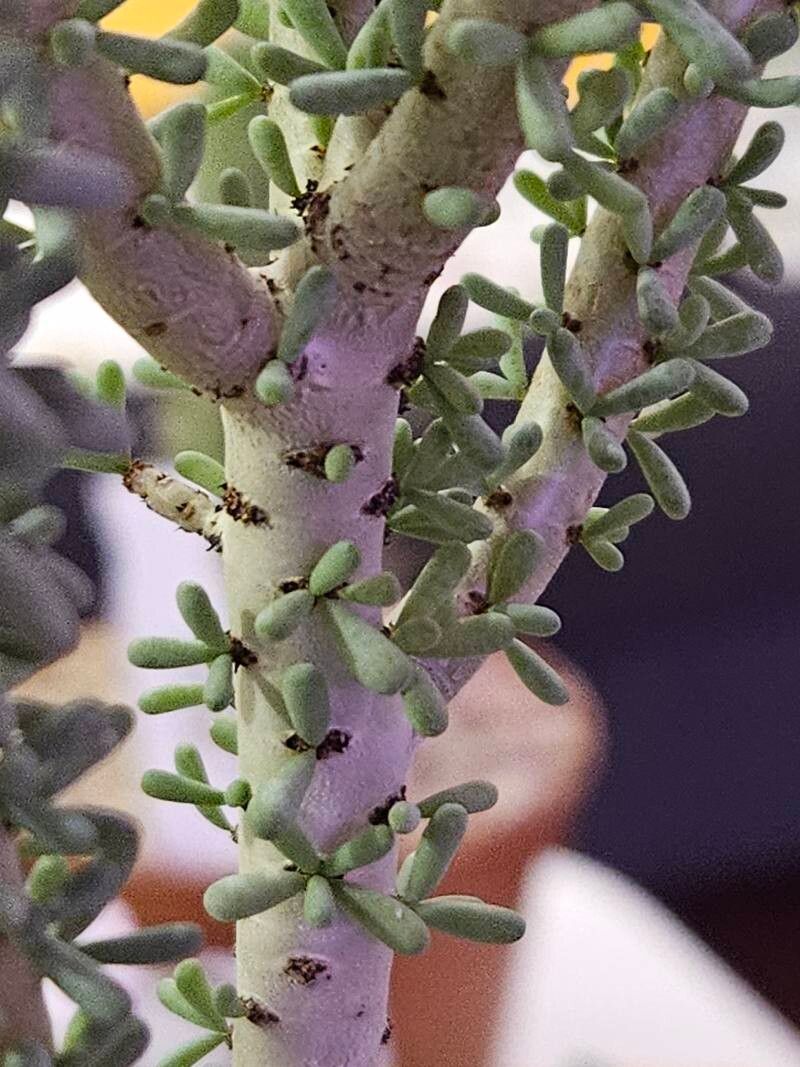
Growing Abundance: The Easy Art of Propagating Your Portulacaria Afra (Elephant Bush)
The Portulacaria afra, affectionately nicknamed the “Elephant Bush” for its thick, succulent leaves, is a gardener’s delight. This resilient succulent, native to South Africa, is known for its bonsai-like appearance, drought tolerance, and surprisingly easy propagation. That’s right, growing an abundance of these charming plants is simpler than you might think!
Why Propagate?
Propagation is essentially cloning your plant, allowing you to create new ones from existing growth. Not only is it a budget-friendly way to expand your plant family, but it’s incredibly rewarding to witness the magic of new life sprouting from a cutting.
The Two Main Methods:
With the Elephant Bush, you have two primary methods of propagation at your disposal:
1. Stem Cuttings:
- Timing Is Key: While propagation is possible year-round, success rates are highest during the plant’s active growing season, spring and summer.
- Making the Cut: Use clean, sharp scissors or pruning shears. Select a healthy stem that is at least 3-4 inches long.
- Callus Over: Allow the cut end of the stem to dry and form a callus for a couple of days. This prevents rotting when planted.
- Planting Time: Fill a small pot with a well-draining soil mix specifically designed for succulents or cacti. Make a small indentation in the soil and gently insert the calloused end of the cutting.
- Water Wisely: Water sparingly, only when the soil is completely dry. Overwatering is a common pitfall, so err on the side of caution.
- Location, Location, Location: Place your potted cutting in a location with bright, indirect light. Avoid direct sunlight, as it can scorch the delicate new growth.
- Patience, Young Padawan: Rooting can take several weeks. A gentle tug on the cutting will tell you if roots have formed. Resistance means you’re good to go!
2. Leaf Cuttings:
- Leaf Selection: Choose healthy, plump leaves for propagation.
- Air Dry: Allow the leaves to air dry for a day or two to form a callous at the base.
- Shallow Planting: Place the leaves on top of a well-draining soil mix, ensuring the calloused end is slightly buried.
- Misting is Key: Instead of watering, lightly mist the soil surface every few days, keeping it slightly moist but not soggy.
- Baby Steps: Tiny plantlets will eventually emerge at the base of the leaves. Once they are large enough, they can be carefully separated and potted individually.
Tips for Success:
- Well-Draining Soil: Use a soil mix specifically formulated for succulents and cacti to ensure proper drainage.
- Light is Life: Provide your cuttings with bright, indirect light.
- Don’t Overdo It: Water sparingly, allowing the soil to dry out completely between waterings.
- Be Patient: Propagation takes time. Don’t be discouraged if you don’t see results immediately.
Propagating your Elephant Bush is a fulfilling and surprisingly simple process. With a little patience and the right know-how, you’ll be well on your way to creating a vibrant collection of these lovely succulents. Happy propagating!