
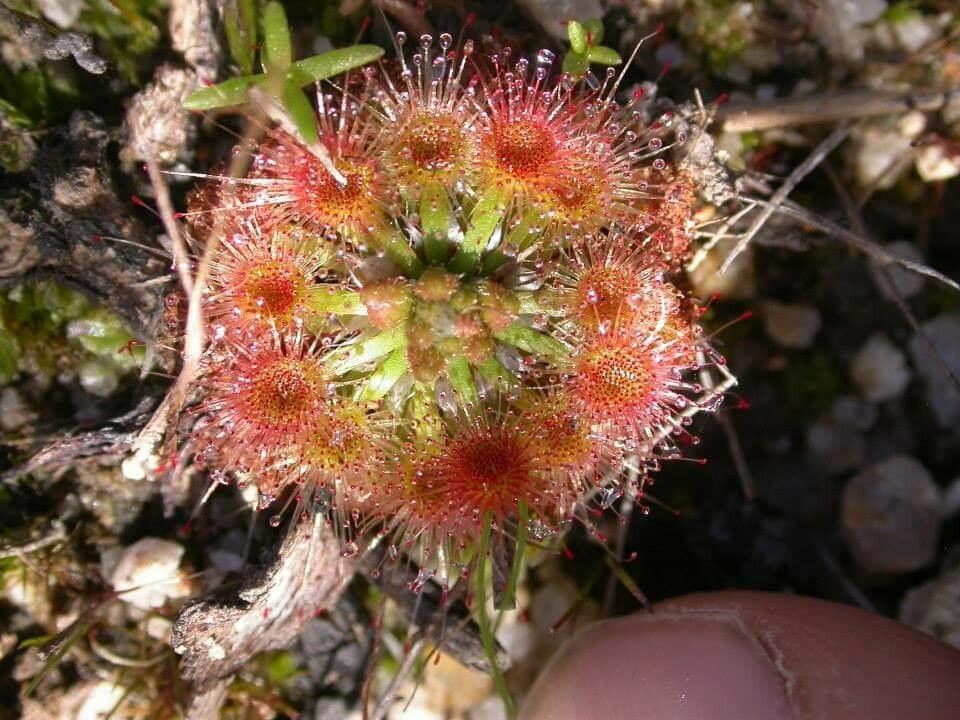
Tiny Triumphs: Unlocking the Secrets to Propagating the Miniature Sundew, Drosera pulchella
The world of carnivorous plants is endlessly fascinating, and few are as captivating as the diminutive sundews (Drosera). Among these, the pygmy sundew, Drosera pulchella, stands out as a charming and surprisingly easy-to-propagate species, even for beginners. Originating from Australia, this tiny carnivore packs a punch with its glistening, dew-laden traps that snare unsuspecting insects. But beyond its carnivorous prowess, Drosera pulchella possesses a secret weapon: a remarkable ability to multiply, making it a joy to share with fellow plant enthusiasts.
Three Paths to Propagation:
While Drosera pulchella produces tiny seeds, the most common and effective propagation methods are vegetative, ensuring faster growth and genetic replicas of the parent plant:
1. Leaf Cuttings:
This method is remarkably simple. Carefully detach a healthy leaf from the rosette, ensuring minimal damage. Place the leaf on the surface of moist, nutrient-poor carnivorous plant media (a 50/50 mix of peat moss and perlite works well). Within weeks, tiny plantlets will sprout from the base of the leaf, eventually forming new rosettes. This method is incredibly rewarding, often yielding numerous plantlets from a single leaf.
2. Root Cuttings:
For a slightly more advanced approach, root cuttings offer another pathway to propagation. Carefully unearth your Drosera pulchella and select healthy, white roots. Cut these into 1-inch segments and lay them horizontally on the surface of your prepared media. Cover lightly with more media and keep consistently moist. Over several weeks, you’ll observe tiny plantlets emerging from the buried roots, eventually developing into new plants.
3. Gemmae:
Unique to pygmy sundews like Drosera pulchella, gemmae are specialized vegetative buds produced in the center of the rosette, especially during Winter. These tiny, disc-shaped structures are essentially miniature plants waiting to be dispersed. Gently detach the gemmae and sprinkle them onto the surface of moist media. With the right conditions, they will sprout and establish themselves as independent plants within weeks.
Creating the Ideal Environment:
Drosera pulchella thrives in a humid environment with ample light. Choose a bright location, preferably with indirect sunlight, and maintain humidity levels around 50-70%. A humidity dome or placing the pot in a tray filled with water can help achieve the desired humidity.
Water your Drosera pulchella with distilled water or rainwater, as tap water can contain harmful minerals. The soil should be kept consistently moist but not waterlogged.
The Joy of Sharing:
Propagating your Drosera pulchella is not just easy, it’s incredibly rewarding. The ability to create numerous new plants from a single parent opens up possibilities for sharing your passion with others. Gift these captivating miniature carnivores to friends and family, or expand your own collection and marvel at their beauty and the wonders of nature’s ingenuity.
So why wait? Unlock the secrets of Drosera pulchella propagation and embark on a journey of miniature marvels!