
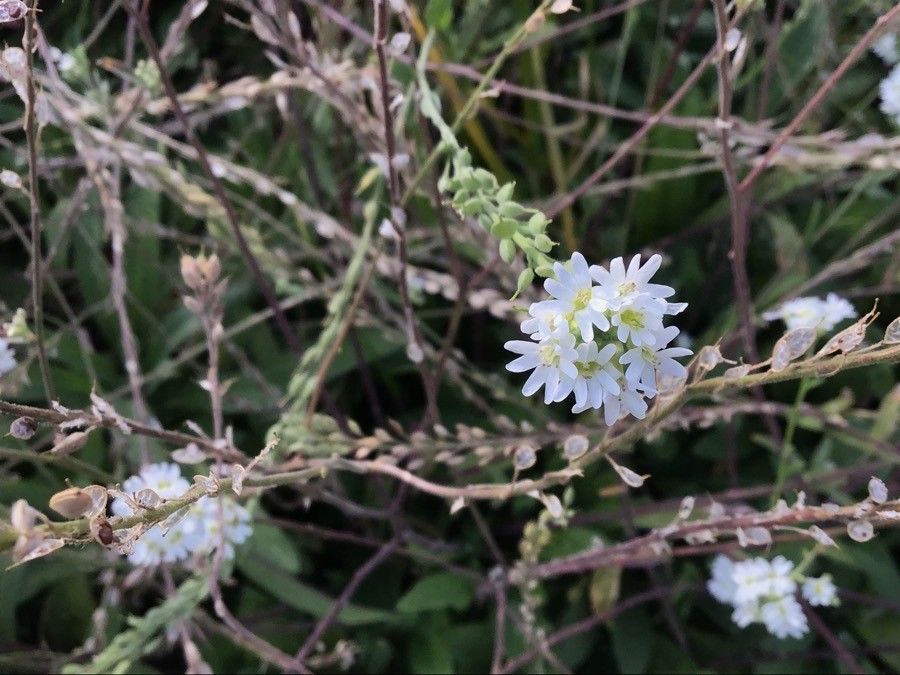
Taming the Hoary Alyssum: A Guide to Propagating Berteroa Mutabilis
The Hoary Alyssum (Berteroa mutabilis) might not roll off the tongue as easily as “rose” or “sunflower,” but don’t let the name fool you. This unassuming plant, with its delicate white flowers and tolerance for tough conditions, can be a charming addition to your garden. Whether you’re a seasoned gardener or just starting out, learning to propagate Berteroa mutabilis is a rewarding endeavor.
Understanding the Basics of Berteroa Mutabilis
Before diving into propagation, let’s get acquainted with our subject. Native to Eurasia, Berteroa mutabilis is considered a short-lived perennial or biennial, meaning it can live for two years in ideal conditions. It thrives in full sun and well-drained soil, easily tolerating poor, even gravelly, soil types. This adaptability makes it an excellent choice for rock gardens, borders, or even naturalized areas where it can self-seed.
Propagation Methods: Seeds vs. Cuttings
You have two primary options for propagating Berteroa mutabilis:
1. Seed Propagation:
- When to Sow: The best time to sow seeds is in the spring or fall. Fall sowing mimics the plant’s natural life cycle and allows seedlings to establish themselves before winter.
- Sowing Depth: Scatter seeds on the soil surface, as they need light to germinate. Press them gently into the soil for good contact.
- Germination: Expect germination within 1-2 weeks, depending on temperature and moisture levels.
- Thinning: Once seedlings develop a few true leaves, thin them to provide adequate spacing (around 6-12 inches apart).
2. Propagation from Cuttings:
- Timing is Key: Take cuttings in late spring or early summer from healthy, non-flowering stems.
- Prepare the Cutting: Cut a 3-4 inch section of stem just below a leaf node. Remove the lower leaves and make a small cut at the base of the stem to expose the cambium layer.
- Rooting Hormone (Optional): Dipping the cut end in rooting hormone can encourage faster and more successful rooting.
- Planting: Plant the cutting in a well-draining potting mix, burying the bottom node.
- Creating Humidity: Cover the cutting with a plastic bag or use a humidity dome to maintain moisture.
- Root Development: Roots should develop within a few weeks. Once new growth appears, you can gradually acclimate the cutting to outdoor conditions before transplanting.
Tips for Success
- Patience is Key: Whether you choose seeds or cuttings, remember that propagation takes time. Don’t be discouraged if you don’t see results immediately.
- Well-Drained Soil is Crucial: Berteroa mutabilis dislikes soggy roots. Ensure your soil mix or garden bed drains well to prevent root rot.
- Sunlight is Your Friend: This sun-loving plant thrives in bright conditions. Provide ample sunlight for optimal growth and flowering.
- Deadheading for Continuous Blooms: While not strictly necessary, deadheading spent flowers can encourage more blooms throughout the growing season.
Conclusion
Propagating Berteroa mutabilis might seem daunting initially, but with a little patience and the right knowledge, you can easily add this resilient and charming plant to your garden. Whether you choose the satisfaction of nurturing seeds or the efficiency of cuttings, you’ll be rewarded with delicate white flowers that bring a touch of wild beauty to your outdoor space.