
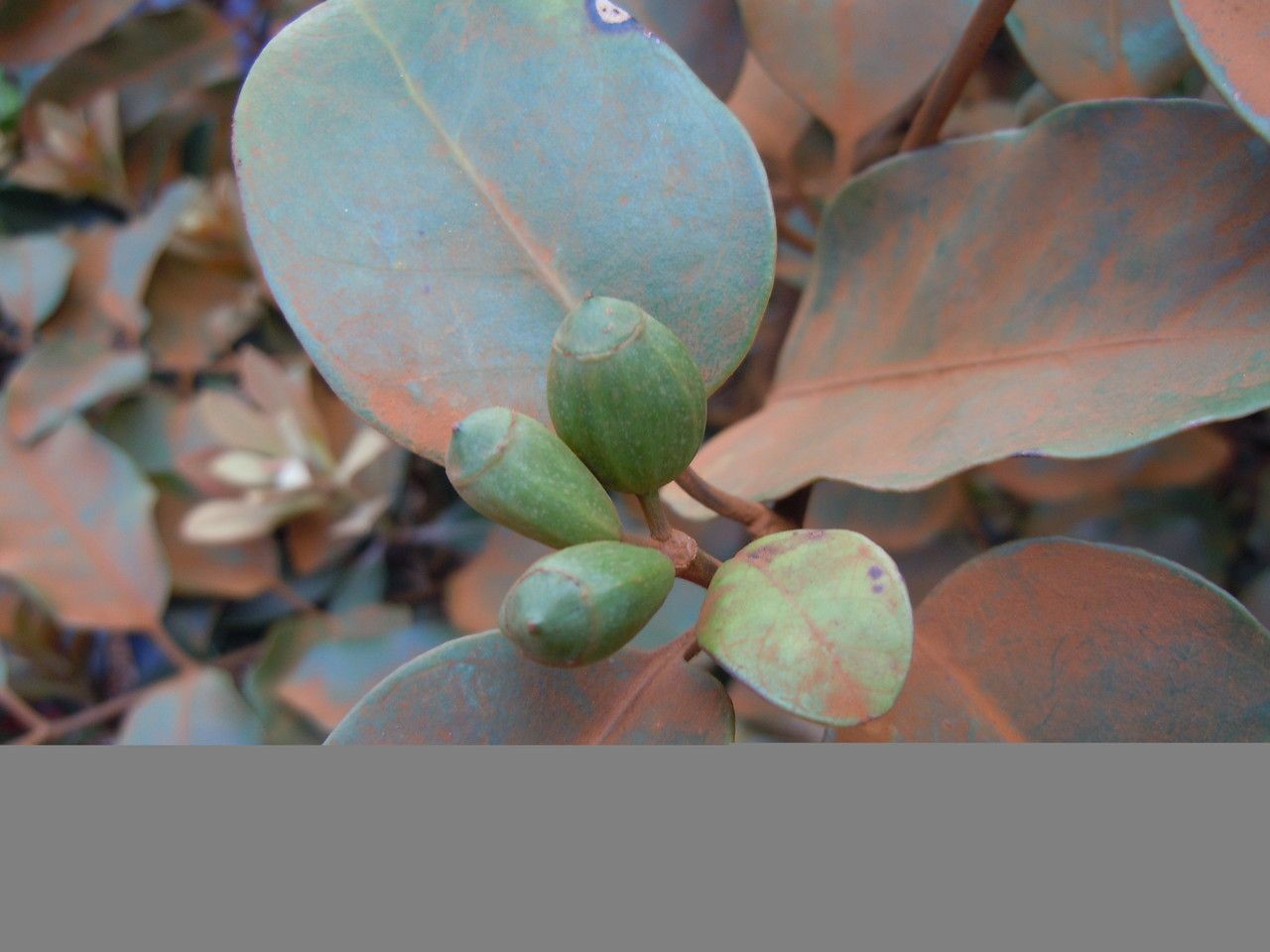
Branching Out: Mastering Polyscias Biformis Propagation
The Polyscias biformis, with its captivating foliage and intriguing texture, is a houseplant gem that deserves a prominent spot in your indoor jungle. Also known as the “Ming Aralia” or “Parsley Aralia” thanks to its finely divided leaves, this plant has a graceful charm that captivates plant enthusiasts. Ready to multiply your Ming Aralia happiness? Let’s delve into the art of propagating this beauty!
Understanding the Propagation Potential:
Propagating Polyscias biformis can seem a bit daunting at first. Unlike some houseplants that readily sprout roots from leaves, this species thrives best with stem cuttings. While slightly more involved, mastering this method opens a world of possibilities for expanding your plant collection and even gifting these green beauties to friends.
Two Paths to Propagation:
1. The Water Propagation Route:
- Timing: Spring or early summer, when the plant is actively growing, offers the highest success rates.
- Selection is Key: Choose healthy, non-flowering stems with at least 2-3 nodes (the little bumps where leaves emerge).
- Making the Cut: Using sharp, sterilized scissors or pruning shears, make a clean cut just below a node. Your cutting should be about 4-6 inches long.
- Water Works Wonders: Place the cutting in a clear glass or jar filled with filtered water. Make sure no leaves are submerged, as this can lead to rot.
- Patience, Young Padawan: Position your cutting in a bright spot with indirect sunlight. Refresh the water every 2-3 days to prevent stagnation. Be patient; roots can take 4-8 weeks to develop.
- The Potting Phase: Once your cutting has a healthy root system, gently plant it in a well-draining potting mix. Keep the soil consistently moist but not waterlogged.
2. The Soil Propagation Adventure:
- Mimic the Water Method: Follow the same steps as above for selecting and preparing your cutting.
- A Cozy Soil Bed: Instead of water, choose a well-draining potting mix specifically designed for cuttings.
- Creating a Humid Haven: Cover the pot with a clear plastic bag or a propagation dome to maintain humidity, which aids root development. Make sure the covering doesn’t touch the cutting.
- The Waiting Game (and Signs of Success): This method also demands patience. Signs of new growth, typically within a month or two, indicate successful rooting.
Tips for Success:
- Sharpness is Key: Always use sterilized, sharp tools to prevent crushing the stem and minimizing the risk of infection.
- Hormonal Help (Optional): While not essential, dipping the cut end in rooting hormone powder can encourage faster root development.
- Location, Location, Location: Choose a warm, bright location with indirect sunlight for your cuttings.
- Avoid Overwatering: Both in water and soil, overwatering can lead to rot. Ensure adequate drainage and allow the soil surface to dry slightly between waterings.
The Joy of New Beginnings:
Successfully propagating your Polyscias biformis is incredibly rewarding. Not only will you expand your plant family, but you’ll also gain valuable horticultural skills. So, gather your tools, embrace the journey, and prepare to be amazed by the magic of plant propagation!