
Taming the Wildflower: Propagating the Hairy Oxytropis (Oxytropis pilosa)
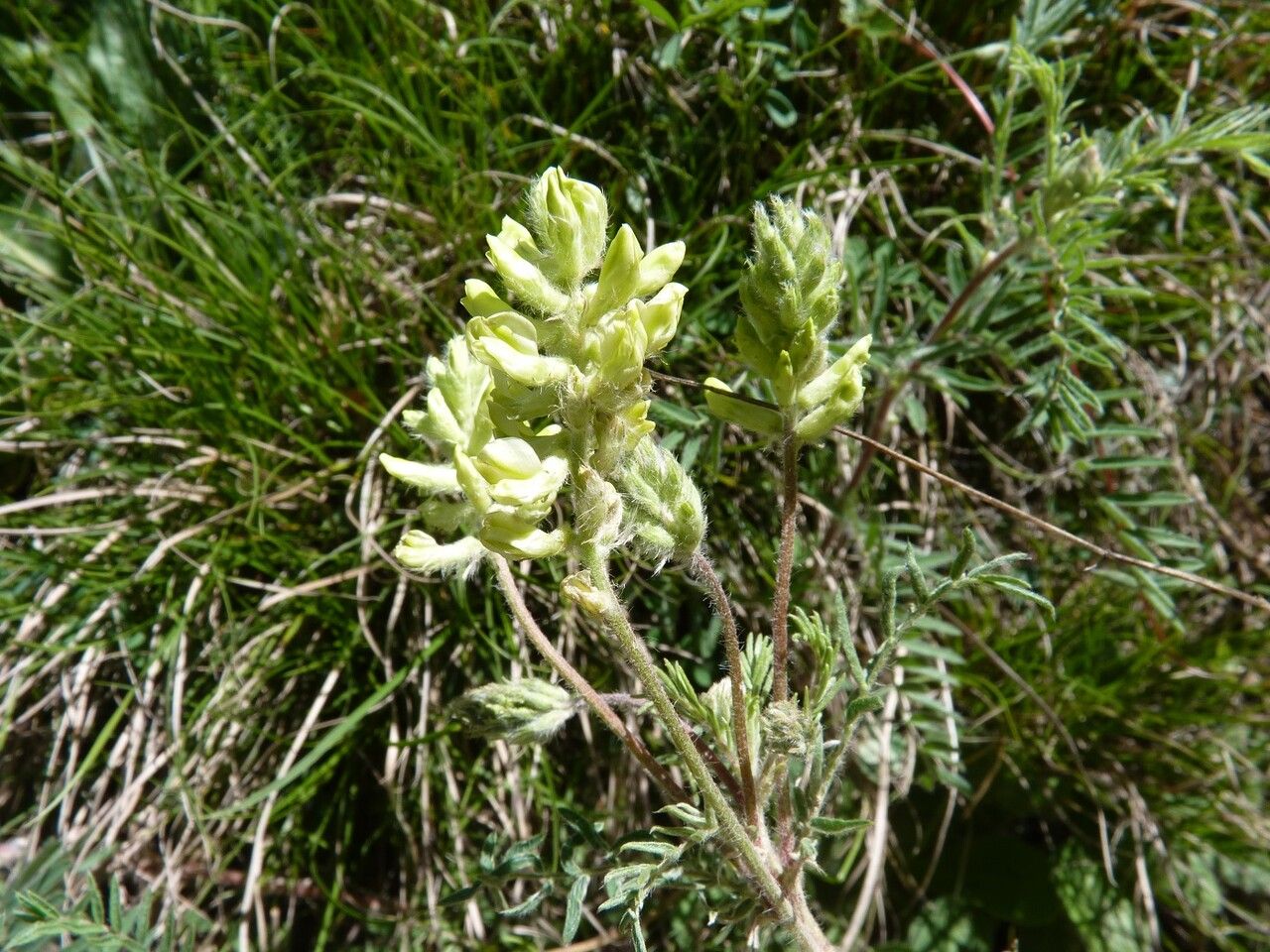
The Hairy Oxytropis (Oxytropis pilosa) might not be the first plant that comes to mind when you think about wildflowers to cultivate, but this charming species offers delicate beauty and an intriguing challenge for plant enthusiasts. Its pale yellow blooms, reminiscent of miniature pea flowers, rise above a bed of soft, hairy foliage, adding a touch of whimsical charm to rock gardens, wildflower meadows, or even a sunny windowsill.
While readily available from specialized nurseries, propagating Hairy Oxytropis can be immensely rewarding, allowing you to expand your collection and share this unique plant with others. So, if you’re ready to embark on this botanical adventure, let’s explore the two main methods:
1. Sowing the Seeds of Success:
Hairy Oxytropis primarily reproduces through seeds, which require a period of cold stratification to break dormancy and encourage germination. This process mimics the natural winter conditions the seeds would experience in the wild. Here’s how:
- Harvesting: Collect seeds from mature seed pods in late summer or early fall. Look for pods that have turned brown and papery.
- Stratification:
- Method 1 (Natural): Sow seeds directly in prepared outdoor seedbeds in the fall. Ensure good drainage and cover lightly with soil.
- Method 2 (Artificial): Place seeds in a moistened paper towel within a sealed plastic bag and store them in the refrigerator (around 4°C or 39°F) for 6-8 weeks.
- Sowing (after stratification):
- Indoors: Sow seeds in seed trays filled with a well-draining seed starting mix, covering them lightly with soil. Provide bright, indirect light and maintain a temperature of around 20°C (68°F).
- Outdoors: After the last frost, sow seeds directly into well-prepared soil in a sunny location.
2. Taking the Cutting Edge:
While less common, propagating Hairy Oxytropis from cuttings can be successful with the right approach. This method is best undertaken in late spring or early summer when the plant is actively growing.
- Preparation: Select healthy, non-flowering stems from the current year’s growth. Using a clean, sharp knife or pruning shears, take cuttings that are about 3-4 inches long, making the cut just below a leaf node.
- Rooting Hormone (Optional): Dip the cut end of the stem in rooting hormone powder to encourage root development.
- Planting: Insert the cuttings into a well-draining rooting medium, such as a mixture of perlite and peat moss. Water thoroughly and cover with a plastic bag or humidity dome to create a warm, moist environment.
- Care: Place the cuttings in a well-lit location out of direct sunlight. Maintain consistent moisture levels without overwatering.
Patience is Key:
Whether you choose seeds or cuttings, remember that propagating Hairy Oxytropis requires patience. Germination can take several weeks, and cuttings may need up to a couple of months to root properly.
With dedication and a bit of green-thumb magic, you can successfully propagate this delightful wildflower. Soon, you’ll be enjoying the delicate charm of Hairy Oxytropis in your own garden, a testament to your dedication and a celebration of this often-overlooked beauty.