
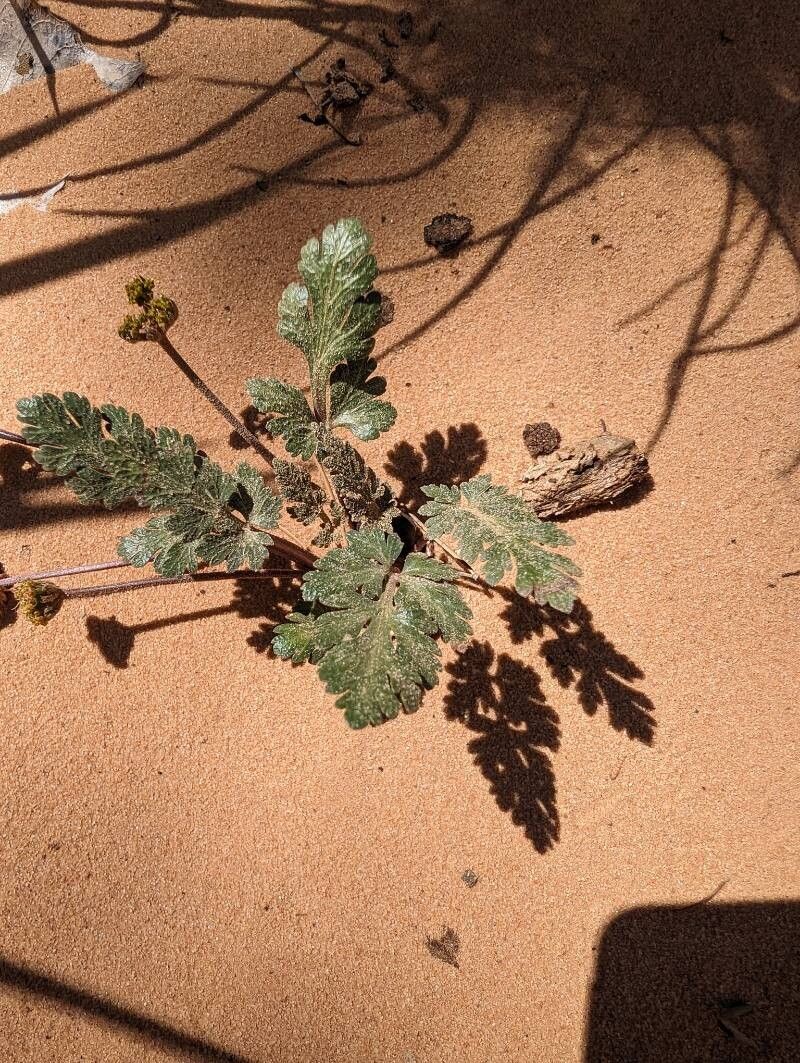
Taming the Wild Carrot: A Guide to Propagating Lomatium latilobum
Lomatium latilobum, also known as the desert parsley or giant lomatium, is a captivating wildflower native to western North America. With its impressive umbels of yellow flowers bursting forth in spring and its finely textured, fern-like foliage, this drought-tolerant beauty is a welcome addition to any waterwise or native plant garden. But how do you go about inviting this wildflower into your cultivated spaces? Let’s delve into the world of Lomatium latilobum propagation.
The Seeds of Success: Starting from Seed
Propagating Lomatium latilobum from seed is the most common and often most successful method. However, these seeds have a few quirks you need to know.
- Fresh is Best: Lomatium seeds have a relatively short period of viability, meaning they germinate best when fresh. If you’re fortunate enough to live in an area where it grows wild, collect mature seeds in late spring or early summer.
- Cold Stratification: A Necessary Chill: These wildflower seeds are programmed for survival and require a period of cold, moist stratification to break dormancy. Mimic winter’s chill by storing the seeds in a moist paper towel in your refrigerator for 6-8 weeks before sowing.
- Sowing the Seeds: Once stratified, sow seeds in the fall directly into prepared garden beds or individual pots filled with well-draining soil. Scatter them on the surface and lightly press them in, as they need light to germinate.
- Patience is Key: Germination can be slow and erratic, sometimes taking several months. Ensure the soil remains consistently moist but not waterlogged.
Dividing and Conquering: Propagation by Division
While slightly less common, division offers another approach for propagating established Lomatium latilobum plants.
- Timing is Crucial: The best time to divide Lomatium is in late fall or early spring when the plant is dormant.
- Careful Excavation: Using a sharp spade or garden fork, carefully lift the entire plant from the ground, ensuring you get as much of the root system as possible.
- The Art of Division: Depending on the size of the clump, you can divide it into smaller sections, each containing a good portion of roots and shoots.
- Replanting: Replant the divisions immediately at the same depth they were previously growing, ensuring good soil contact and watering them in well.
A Few Additional Tips for Success:
- Well-Drained Soil is a Must: Lomatium latilobum abhors soggy feet. Ensure excellent drainage by amending heavy soils with sand or gravel.
- Sun-Kissed Location: Plant Lomatium in a location that enjoys full sun to partial shade.
- Water Wisely: While drought tolerant, Lomatium benefits from occasional watering, especially during its establishment period. However, always err on the side of slightly dry rather than overly wet soil.
Growing Lomatium latilobum may require some patience and understanding of its lifecycle, but the reward of enjoying its delicate beauty and supporting local pollinators is well worth the effort. So, why not embrace the challenge and introduce this wild and wonderful flower into your garden?