
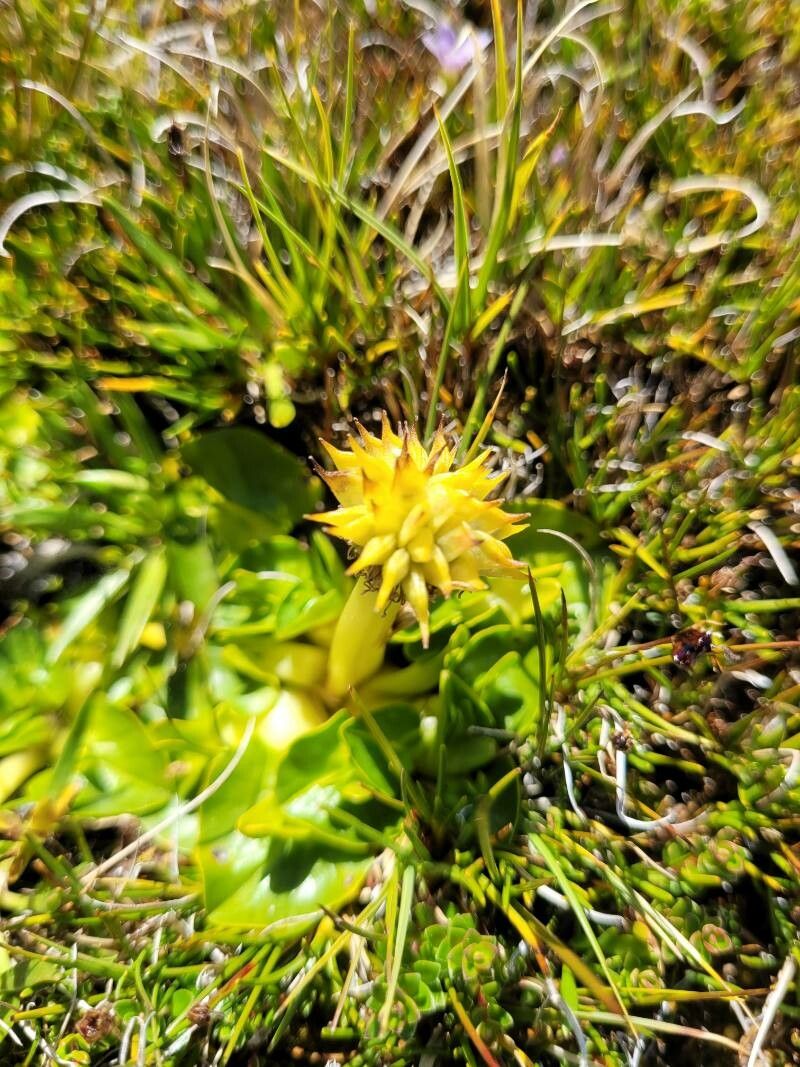
Conquering the Cold: Propagating the Antarctic Pearlwort (Colobanthus quitensis)
The plant world never fails to amaze, boasting species that thrive in even the harshest environments. Take, for example, the resilient Colobanthus quitensis, also known as Antarctic pearlwort. This remarkable flowering plant, one of only two vascular plants native to Antarctica, survives and even flourishes amidst freezing temperatures, harsh winds, and unforgiving terrain.
If you’re captivated by the idea of nurturing a piece of the Antarctic in your own home, you might be surprised to learn that propagating Colobanthus quitensis is a possibility, even for the average gardener. While it requires patience and attention to detail, successfully cultivating this hardy plant offers a unique sense of accomplishment and a window into the resilience of nature.
Two Paths to Propagation:
Seeds: Obtaining Colobanthus quitensis seeds can be challenging but not impossible. They’re sometimes available from specialized nurseries or online suppliers dealing with rare and unusual plants.
- Sowing: Sow the tiny, dust-like seeds on the surface of a well-draining, acidic soil mix. Mist lightly with water and cover the container with a plastic wrap or humidity dome to retain moisture.
- Germination: Be patient; germination can take anywhere from a few weeks to several months. Ensure the soil remains consistently moist but not waterlogged. Placing the seed tray in a cool, brightly lit location will encourage growth.
Cuttings: Propagating from stem cuttings is another viable option, particularly if you have access to an existing Colobanthus quitensis plant.
- Taking Cuttings: In the early spring, select healthy, non-flowering stems about 3-4 inches long. Make a clean cut just below a leaf node.
- Rooting Hormone (Optional): While not strictly necessary, dipping the cut end in rooting hormone can increase the chances of successful rooting.
- Planting: Plant the cuttings in a similar soil mix used for seeds, burying the lower leaf nodes. Maintain moisture and provide bright, indirect light.
Nurturing Your Antarctic Oasis:
Once your Colobanthus quitensis seedlings or cuttings establish roots and show new growth, it’s time to provide the right environment for them to thrive:
- Soil: Mimic their natural habitat with well-draining, slightly acidic soil. A mix of peat moss, perlite, and sand works well.
- Watering: These hardy plants tolerate drought better than overwatering. Water thoroughly when the top inch of soil feels dry, allowing excess water to drain fully.
- Light: While they can tolerate some shade, providing at least 6 hours of bright, indirect light is crucial for optimal growth.
- Temperature: Remember their origins! Colobanthus quitensis prefers cooler temperatures, ideally between 10-20°C (50-68°F). Protect them from extreme heat.
Successfully cultivating Colobanthus quitensis might be a challenge, but the reward of nurturing this resilient plant from the bottom of the world is a uniquely rewarding experience. It’s a testament to both the hardiness of nature and the fulfilling nature of plant propagation.