
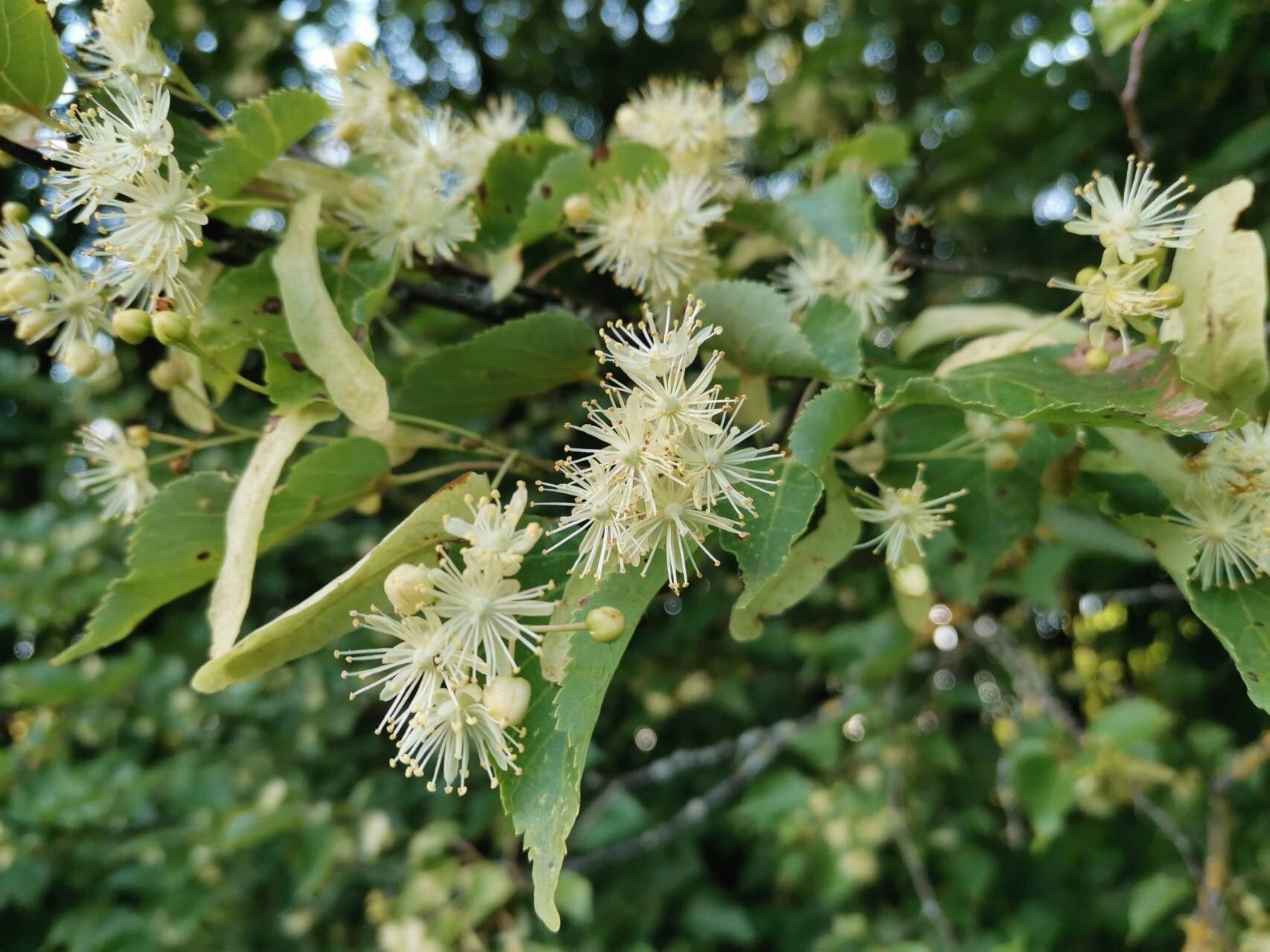
Grow Your Own Green Heart: Propagating Tilia Cordata (Littleleaf Linden)
The Littleleaf Linden, known scientifically as Tilia cordata, is a beloved tree for its graceful form, fragrant flowers, and heart-shaped leaves. Whether you admire its majestic presence in parks or want to enjoy its sweet scent in your own backyard, you might be surprised to learn that propagating this stately tree is achievable even for novice gardeners.
This guide will explore two primary methods of propagating Tilia cordata:
1. Growing from Seed:
- Collecting Seeds: In autumn, mature Littleleaf Lindens bear small, nut-like fruits attached to a papery bract. Collect these fruits once they turn brown and dry. Remove the seeds, discarding any damaged or discolored ones.
- Stratification (Cold Treatment): Tilia cordata seeds require a period of cold stratification to break dormancy and encourage germination. You can achieve this by placing the seeds in a moist medium like sand or vermiculite inside a sealed plastic bag and storing it in the refrigerator for 2-3 months.
- Sowing: Once stratified, sow the seeds in a well-draining seed starting mix, covering them lightly with soil. Provide consistent moisture and warmth (around 70°F). Be patient, as germination can take several weeks to a few months.
- Transplanting: Once the seedlings develop a few sets of true leaves, carefully transplant them into individual pots. Allow them to grow for a year or two before planting them outdoors in their permanent location.
2. Propagation from Cuttings:
- Timing is Key: The best time to take cuttings is in late spring or early summer when the new growth is still relatively softwood but has begun to harden slightly.
- Selecting Cuttings: Choose healthy, vigorous shoots about 4-6 inches long. Make a clean cut just below a leaf node (the point where a leaf attaches to the stem).
- Preparing the Cuttings: Remove the leaves from the lower half of the cutting. You can also wound the base of the cutting slightly by making a small vertical cut to promote root development. Dip the cut end in rooting hormone powder (optional but recommended).
- Planting and Care: Insert the prepared cuttings into a pot filled with a well-draining, moist rooting mix (equal parts peat moss and perlite work well). Cover the pot with a clear plastic bag or humidity dome to create a warm, humid environment. Place the pot in a bright location but out of direct sunlight.
- Rooting and Transplanting: After a few weeks, gently tug on the cuttings; resistance indicates root formation. Once roots are established, you can gradually acclimate the cuttings to outdoor conditions before transplanting them to their permanent location in the garden.
Additional Tips:
- Soil and Site: Tilia cordata prefers well-drained, fertile soil with a slightly acidic to neutral pH. Choose a location that receives full sun to partial shade.
- Water and Fertilizer: Keep young trees consistently watered, especially during dry periods. Once established, Littleleaf Lindens are relatively drought-tolerant. Fertilize in spring with a balanced fertilizer if necessary.
Propagating Tilia cordata requires patience and care but is a rewarding endeavor. By successfully cultivating this beautiful tree, you contribute to the environment and bring years of shade, fragrance, and natural beauty to your surroundings.