
Taming the Bramble: A Guide to Propagating Rubus bollei
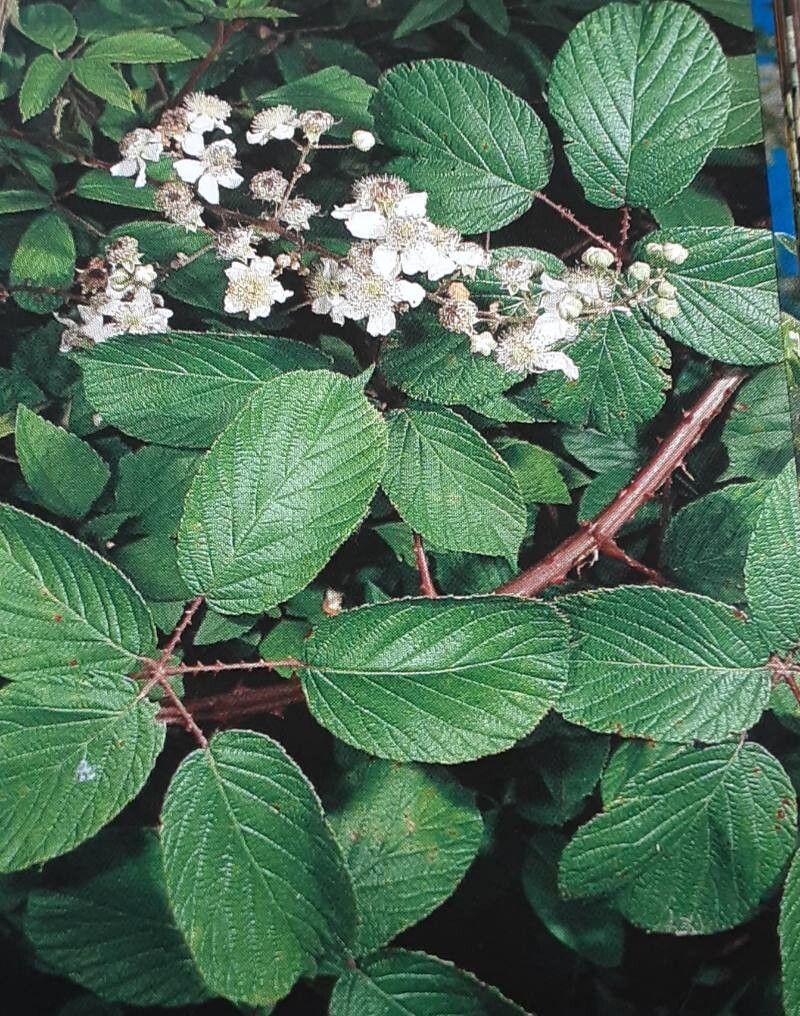
The Rubus bollei, more commonly known as Bommel’s blackberry, is a sight to behold. Its arching canes boast vibrant green foliage adorned with delicate white flowers, eventually yielding a harvest of plump, juicy blackberries. Whether you’re captivated by its ornamental appeal or dream of cultivating your own patch of these delicious berries, propagating Rubus bollei is a rewarding endeavor. Let’s explore the various methods that will empower you to multiply your very own bramble bounty.
Understanding the Basics
Before embarking on your propagation journey, it’s crucial to understand that Rubus bollei, like many brambles, spreads naturally through a process called vegetative reproduction. This means new plants can sprout from the parent plant without the need for pollination and seed formation. This characteristic makes propagation relatively straightforward, offering several effective options:
1. Tip Layering: This method capitalizes on the plant’s natural tendency to root from the cane tips.
- How it’s done: During late summer or early fall, select a healthy, flexible cane. Gently bend the tip down towards the ground and bury it about 3-4 inches deep. You can use a small stone or landscape pin to keep it secure.
- Timeline: Over the fall and winter months, the buried tip will develop roots. By the following spring, you should have a new plant ready to be separated from the parent.
2. Hardwood Cuttings: If you’re aiming for a larger number of new plants, hardwood cuttings are an excellent choice.
- When to take cuttings: During the dormant season, ideally in late fall or early winter, select healthy, pencil-thick canes.
- Making the cut: Using sharp, clean pruning shears, cut canes into 6-8 inch sections, ensuring each section has at least 3-4 nodes (the bumps where leaves emerge).
- Planting the cuttings: Plant the cuttings vertically in a pot filled with well-draining potting mix, ensuring at least one node is below the soil surface. Water well and place in a sheltered location.
- Springtime surprise: By spring, roots will have developed, and you can transplant your new Rubus bollei plants to their permanent locations.
3. Suckers: Rubus bollei often produces “suckers” – new shoots emerging from the ground around the parent plant.
- Identification: Identify these suckers in early spring.
- Separation: Carefully dig around the sucker, ensuring you capture a good portion of its root system.
- Potting: Plant the separated sucker in a pot or directly into your garden.
Key Considerations for Success:
- Soil: Rubus bollei thrives in well-drained soil. Amend heavy clay soil with compost or other organic matter to improve drainage.
- Sunlight: Choose a location that receives at least 6 hours of sunlight daily for optimal growth and fruit production.
- Watering: While drought-tolerant once established, consistent watering is crucial, especially for young plants.
- Support: Provide a trellis or other support system as the canes grow to prevent them from sprawling and tangling.
Propagating your own Rubus bollei is a rewarding experience that allows you to expand your berry patch or share this beautiful and productive plant with others. Choose the method that best suits your needs and enjoy the fruits (literally!) of your labor.