
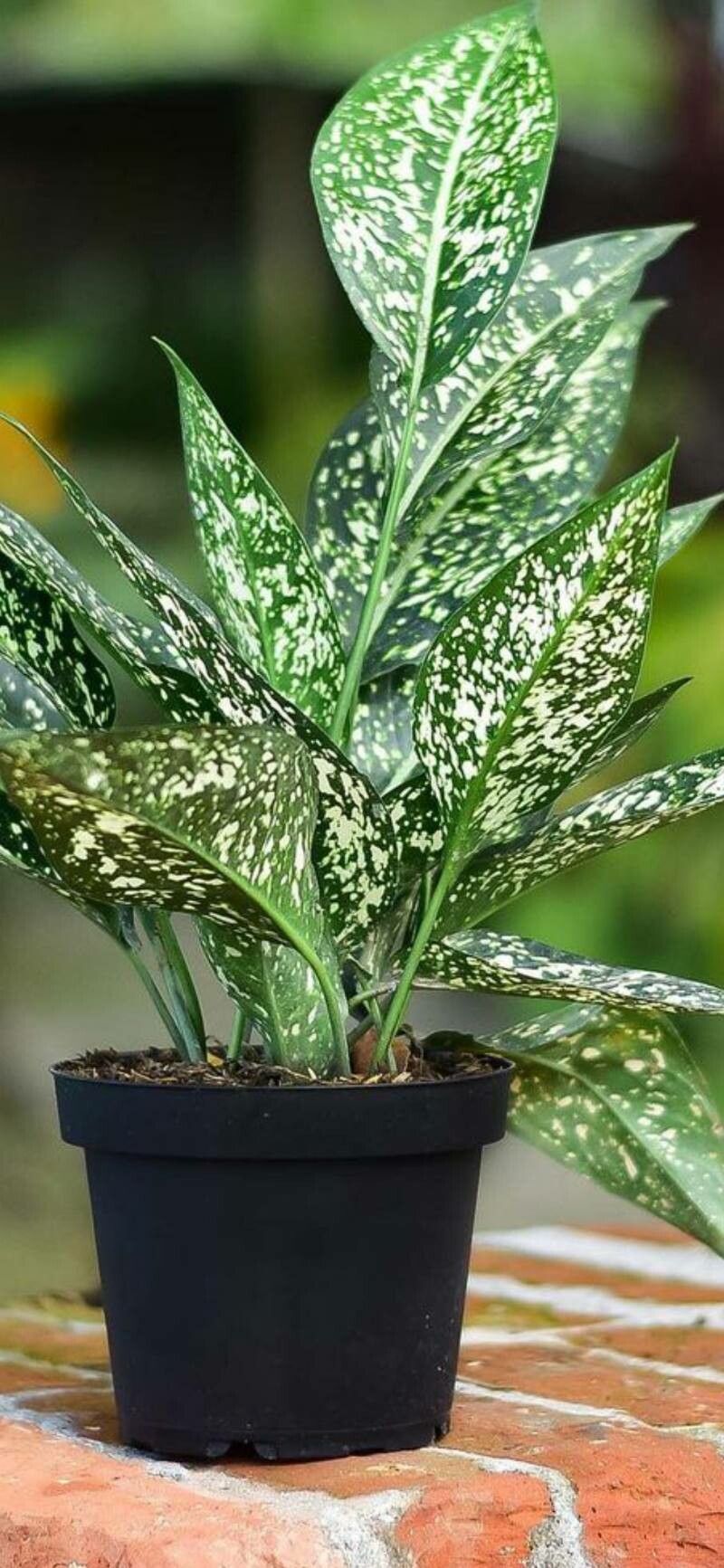
Unlocking the Secrets of Aglaonema Costatum Propagation: A Guide to Multiplying Your Chinese Evergreen
Aglaonema Costatum, also known as the Chinese Evergreen, is a stunning and popular houseplant appreciated for its striking foliage. With its deep green leaves adorned with intricate silver markings, it’s a captivating addition to any indoor space. But did you know that propagating this eye-catching plant is surprisingly simple?
Whether you’re looking to expand your plant family or share the joy of this evergreen beauty with friends, this guide will walk you through the different methods of Aglaonema Costatum propagation.
Understanding the Basics
Before we delve into the specifics, it’s important to remember that the key to successful propagation lies in providing the right environment and care. Ensure your “parent” plant is healthy and choose a time when it’s actively growing – spring and early summer are ideal.
Methods for Propagating Aglaonema Costatum:
1. Stem Cuttings:
This is the most common and straightforward method. Here’s how it works:
- Take the Cuttings: Using clean, sharp shears, snip a healthy stem just below a leaf node (the point where the leaf attaches to the stem). Aim for a cutting that’s around 4-6 inches long and has at least 2-3 leaves.
- Prepare the Cuttings: Remove the bottom leaves, leaving only the top ones. This reduces water loss and encourages root growth.
- Rooting Hormone (Optional): Dipping the cut end in rooting hormone can speed up the process, but it’s not essential.
- Planting: Plant the cuttings in a well-draining potting mix or water. If using soil, keep it consistently moist but not soggy.
- Patience is Key: Place the cuttings in a warm, bright location, avoiding direct sunlight. It may take several weeks for roots to develop.
2. Division:
This method is ideal for mature plants that have formed multiple clumps or “offsets.”
- Remove the Plant: Gently take the plant out of its pot.
- Separate the Offsets: Use your fingers or a clean knife to carefully separate the offsets from the main plant, ensuring each division has roots.
- Potting: Repot the divisions in individual pots with fresh potting mix.
3. Seeds:
While possible, propagation through seeds is less common because Aglaonema Costatum doesn’t flower frequently indoors.
- Collecting Seeds: If your plant does flower and produce berries, allow the berries to ripen fully before extracting the seeds.
- Sowing: Sow the seeds in a seed-starting mix, keeping them evenly moist and in a warm, brightly lit area.
Caring for Your New Propagations:
Once your new Aglaonema Costatum plants have established roots and show new growth, you can care for them as you would mature plants. This includes:
- Bright, Indirect Light: Avoid direct sunlight, which can scorch the leaves.
- Warm Temperatures: Aim for temperatures between 65-80°F (18-27°C).
- Moderate Watering: Allow the soil to dry slightly between waterings, and avoid overwatering.
- Humidity: Aglaonema Costatum prefers moderate humidity levels. Consider using a humidifier or pebble tray during dry months.
With a little patience and the right techniques, you can easily propagate your Aglaonema Costatum and enjoy the beauty of these plants for years to come.