
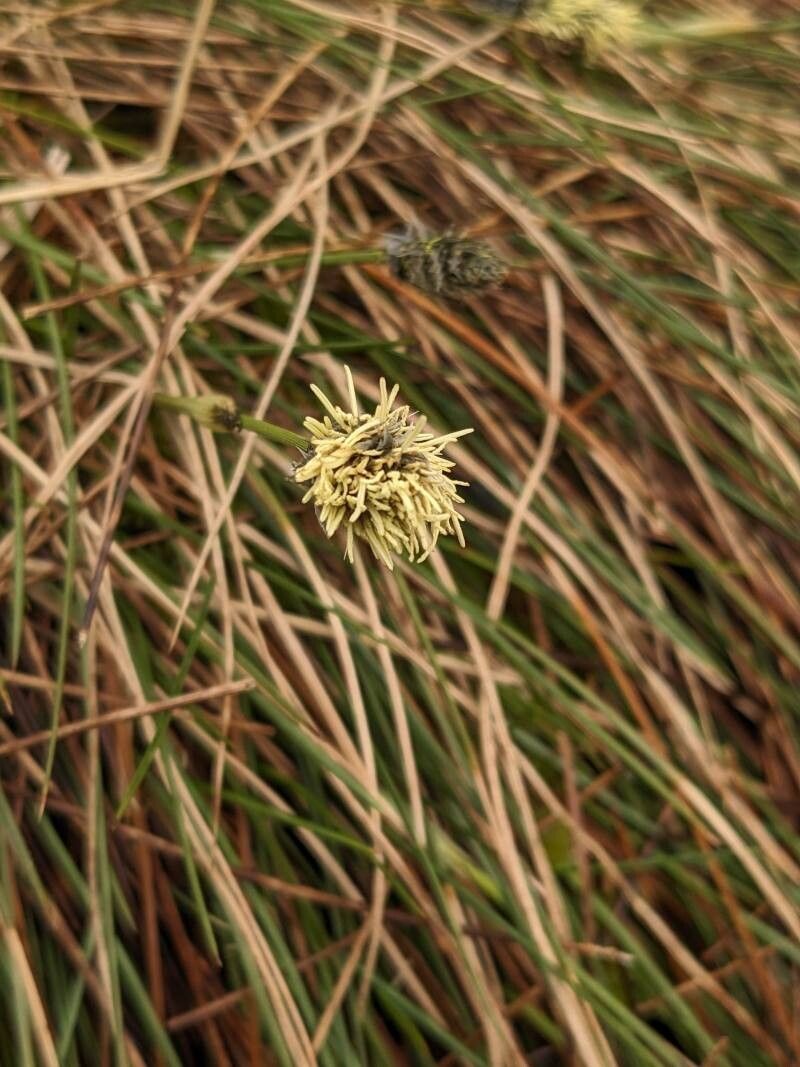
From Fluff to Field: Propagating Cotton Grass (Eriophorum vaginatum)
Cotton grass, with its whimsical, cotton-like seed heads, adds a touch of ethereal beauty to any landscape. But did you know that this wetland wonder (specifically Eriophorum vaginatum, also known as tussock cotton grass) can be propagated at home? Whether you’re a seasoned gardener or a green thumb in the making, follow these methods to bring the charm of cotton grass to your own backyard.
Understanding Cotton Grass
Before diving into propagation, it’s helpful to understand what makes cotton grass tick. Eriophorum vaginatum is a perennial sedge, not a true grass, and thrives in moist, acidic soils often found in bogs, swamps, and wet meadows. This knowledge provides valuable clues for successful propagation.
Methods of Propagation
1. Seed Propagation:
- Collecting Seeds: As the fluffy white seed heads mature in late summer, they develop a light brown hue. This signals that the seeds are ready for harvest. Simply snip the seed heads and store them in a paper bag in a cool, dry place.
- Sowing Seeds: Cotton grass seeds need light to germinate. Sow them directly on the surface of a moist, acidic seed starting mix in late winter or early spring. You can create an ideal mix by combining peat moss and sand.
- Providing Optimal Conditions: Keep the seed tray in a brightly lit area out of direct sunlight. Maintaining consistent moisture is key, so consider misting the soil surface regularly to prevent it from drying out.
- Transplanting: Once seedlings are a few inches tall and all danger of frost has passed, they can be transplanted to their final location in your garden.
2. Division:
- Timing is Key: Early spring, just as new growth emerges, is the best time to divide established cotton grass clumps.
- Divide and Conquer: Carefully dig up a healthy clump, ensuring you retain as much of the root system as possible. Using a sharp knife or spade, divide the clump into smaller sections, each with a good portion of roots and shoots.
- Replanting: Replant the divisions immediately in their new, well-prepared locations, ensuring the crown of each division is level with the soil surface. Water well to encourage establishment.
Creating the Ideal Environment
Whether you’re starting from seed or divisions, providing the right growing conditions is crucial for success:
- Light: While cotton grass can tolerate some shade, it thrives in full sun to part shade locations.
- Water: Consistent moisture is key. Ensure the soil remains consistently moist, mimicking the boggy conditions they naturally prefer.
- Soil: Cotton grass needs acidic soil with a pH between 4.5 and 6. Amending your soil with peat moss or compost specifically designed for acid-loving plants can create a suitable environment.
Adding a Touch of Whimsy to Your Landscape
Propagating your own cotton grass allows you to add a touch of unique beauty to your garden. Imagine these delicate, cloud-like accents gracing a rain garden, pond edge, or even a container bog garden. With a little patience and the right techniques, you can enjoy the enchantment of cotton grass for years to come.