
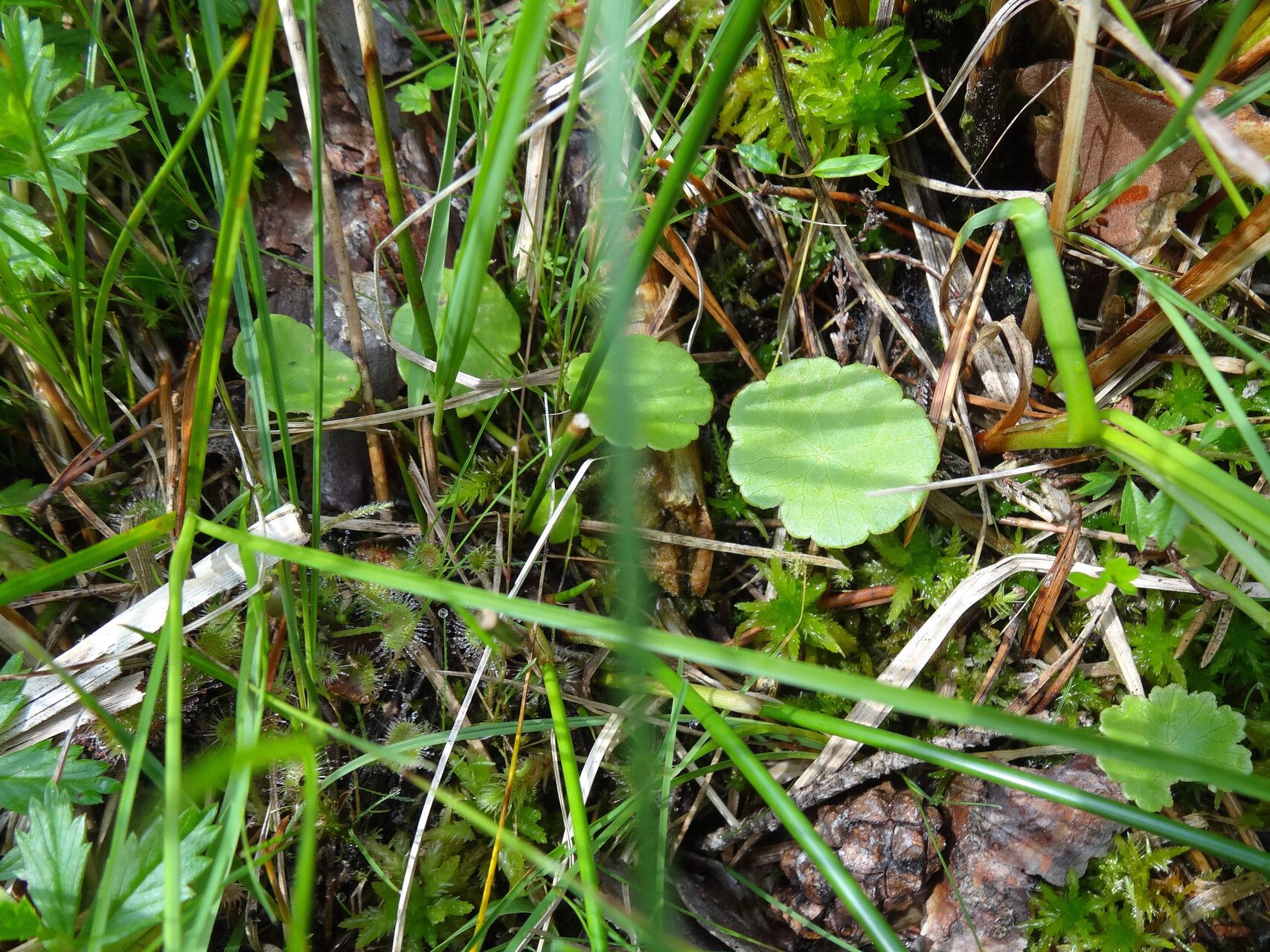
Multiply Your Marsh Pennywort: Easy Propagation Techniques for Lush Greenery
Hydrocotyle vulgaris, better known as Marsh Pennywort or Water Pennywort, is a charming aquatic plant with round, vibrant green leaves resembling miniature lily pads. It thrives in water gardens, ponds, and even as a unique indoor plant. If you’re smitten with this aquatic beauty and want to expand its presence in your home or garden, propagation is surprisingly simple!
Let’s explore the different methods to multiply your Marsh Pennywort:
1. Division: The easiest and quickest way to propagate Marsh Pennywort is through division.
- When: Spring and early summer are ideal as the plant is actively growing.
- How: Gently remove a portion of the plant, ensuring it has a good amount of roots attached. Plant this division in its new location – in moist soil or submerged in water.
2. Stem Cuttings: Another effective method, stem cuttings, requires a bit more patience.
- When: Like division, spring and summer are best for successful rooting.
- How: Choose a healthy stem and cut a section about 4-6 inches long, just below a leaf node. Remove the lower leaves, leaving a few at the top. Place the cut end in water, ensuring the remaining leaves stay above the waterline.
- Rooting: Within a few weeks, roots will sprout from the submerged nodes. Once the roots are an inch long, you can plant the cutting in its designated location.
3. Seeds: While less common, propagation through seeds is possible with Marsh Pennywort.
- Sourcing: Seeds can be purchased online or collected from existing plants if they flower and produce seed pods.
- Sowing: Scatter seeds over moist soil or a seed starting mix. Lightly press them into the surface, but don’t bury them. Keep the soil consistently moist and warm.
- Germination: Seeds can take several weeks to germinate. Once seedlings are a few inches tall, they can be carefully transplanted.
Tips for Propagation Success:
- Water Quality: Marsh Pennywort thrives in still or slow-moving water. If propagating in water, ensure it’s clean and free of chlorine.
- Light: Provide bright, indirect sunlight for optimal growth, whether you’re rooting cuttings or growing from divisions.
- Nutrient-rich environment: Use a water garden soil or a pond planting basket with aquatic plant fertilizer for best results.
- Patience: While Marsh Pennywort is a vigorous grower, remember that each propagation method takes time. Be patient and provide consistent care, and you’ll be rewarded with beautiful, new plants.
A Word of Caution:
Marsh Pennywort can be invasive in some regions due to its rapid growth habit. Be mindful of local regulations and consider growing it in containers to prevent uncontrolled spreading if needed.
Propagating Marsh Pennywort is an easy and rewarding experience. By following these simple steps, you can multiply your plant collection and enjoy its beauty in multiple locations. So, go ahead and give it a try— your water garden or indoor oasis will thank you!