
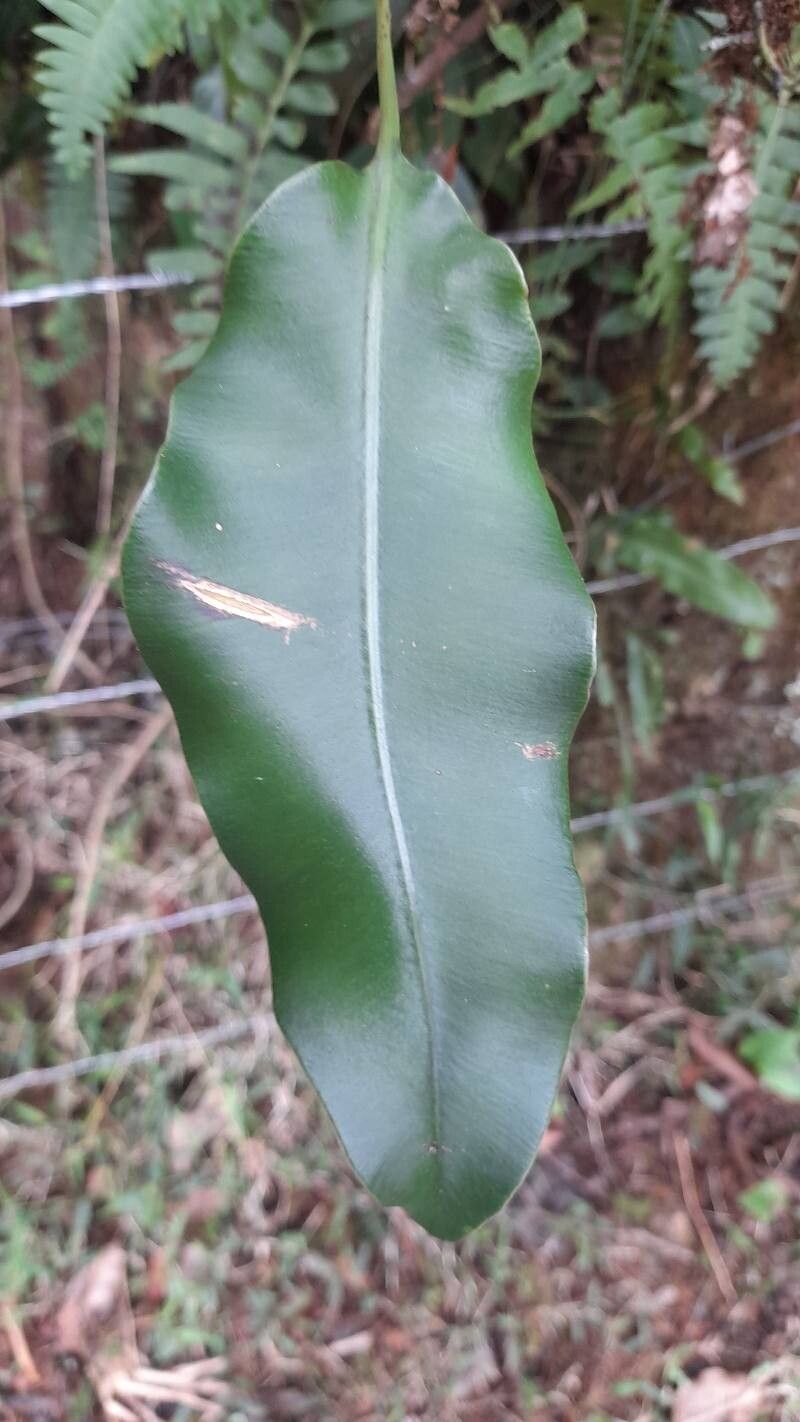
Unlocking the Secrets of Elaphoglossum luridum Propagation: A Tongue-Taming Guide
The world of ferns is filled with captivating textures and verdant shades, and among them, the Elaphoglossum luridum stands out as a true gem. With its tongue-like fronds and fascinating life cycle, this fern, often called the Tongue Fern, captivates plant enthusiasts. But what about propagating this unique beauty? While not as straightforward as your average pothos, with a bit of patience and the right knowledge, you too can multiply your Elaphoglossum luridum and share its charm.
Understanding the Beast: A Closer Look at Propagation Methods
Unlike many common houseplants which readily sprout from cuttings or seeds, Elaphoglossum luridum prefers a more unconventional route – spore propagation. In simpler terms, think of spores as microscopic seeds, holding the blueprint for a new fern. Here’s a closer look at this fascinating process:
1. Spore Collection:
- Your journey begins with mature Elaphoglossum luridum fronds. Look for the underside of the fronds, where small, brown structures called sori develop. These sori house the precious spores.
- When the sori appear plump and dusty, gently scrape them off using a clean, dry knife or a piece of paper. Collect the spores in a paper envelope.
2. Preparing for Spore Sowing:
- Spores thrive in a sterile, humid environment. Prepare a suitable “nursery” by using a sterilized seed starting mix or peat moss. Moisten the mix thoroughly.
- Fill small pots or trays with the prepared mix.
3. Sowing the Spores:
- Sprinkle the collected spores thinly and evenly over the surface of the moistened mix. Don’t bury them; they need light to germinate.
- Mist the spores gently with water and cover the pot or tray with a clear plastic lid or cling film to create a humid microclimate.
4. Patience is Key: The Waiting Game
- Place your spore nursery in a bright location, but out of direct sunlight. Maintain a warm temperature (around 70-75°F or 21-24°C).
- Mist the surface regularly to prevent drying.
- Germination can take anywhere from a few weeks to a couple of months. Be patient and keep a close eye for signs of tiny, heart-shaped structures called prothalli. These are the fern gametophytes, the next stage in the fern’s life cycle.
5. From Prothalli to Fernlets:
- Once the prothalli appear, continue misting regularly and ensure adequate humidity.
- Over time, tiny fernlets will develop from the prothalli.
6. Transplanting the Fernlets:
- When the fernlets are large enough to handle (around an inch or two tall), carefully separate them and transplant them into individual pots with a well-draining potting mix.
Caring for Your New Elaphoglossum luridum Offspring
Congratulations! You’ve successfully propagated your very own Elaphoglossum luridum ferns. Provide them with bright, indirect light, high humidity (consider a pebble tray or humidifier), and consistently moist (but not soggy) soil. With proper care, your new ferns will thrive and reward you with their unique beauty for years to come.
While spore propagation might seem daunting at first, it’s an incredibly rewarding experience. So, why not embark on this exciting journey and unlock the secret world of Elaphoglossum luridum propagation? You might just find yourself hooked on the magic of ferns!