
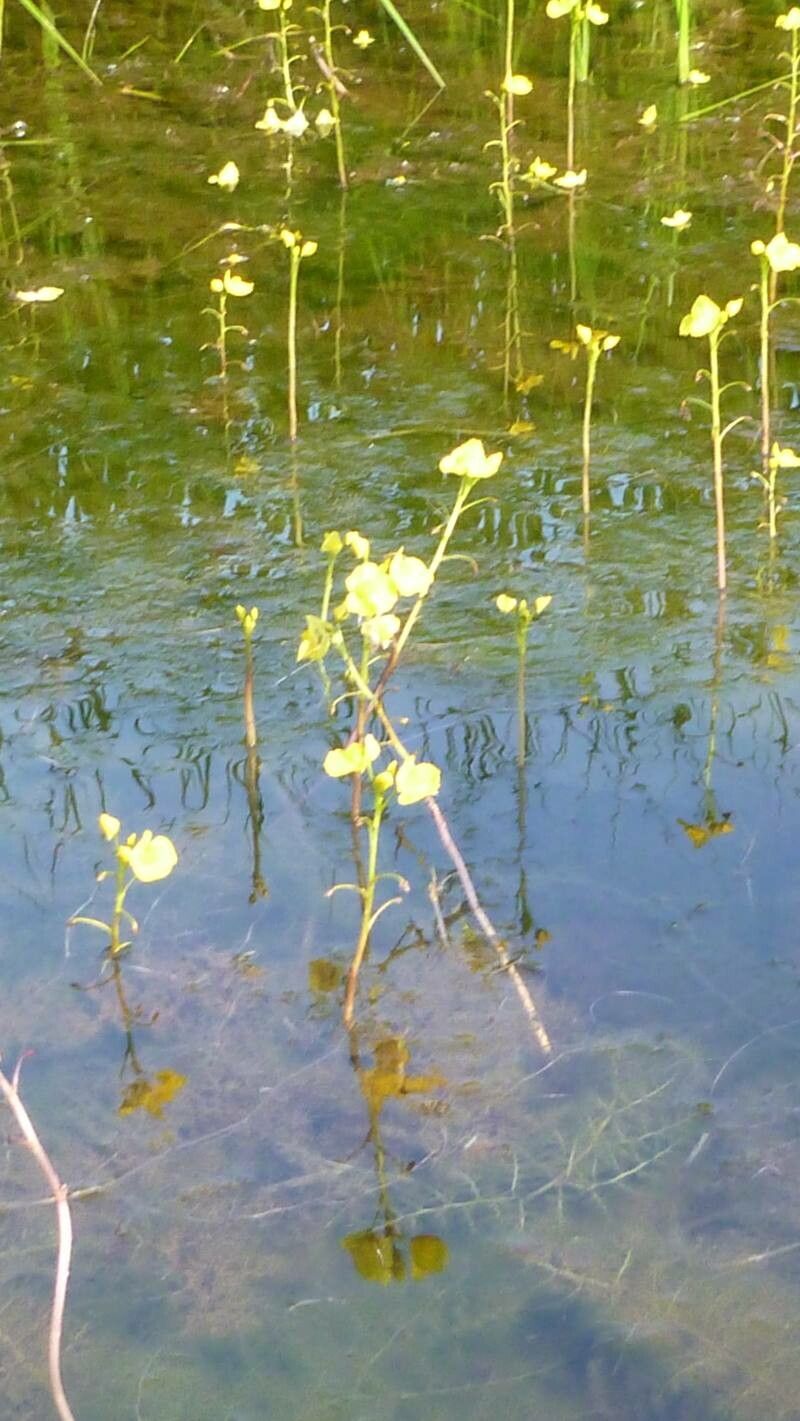
Unleashing the Foliage: Propagating the Carnivorous Utricularia foliosa
The world of carnivorous plants is captivating, and the Utricularia foliosa, also known as the leafy bladderwort, is no exception. This fascinating aquatic plant doesn’t just boast beautiful feathery foliage; it’s a stealthy predator in disguise. But how do you go about propagating this intriguing species? Let’s dive into the exciting world of Utricularia foliosa propagation!
Unlike typical plants that rely solely on roots for nutrient uptake, the U. foliosa supplements its diet with tiny aquatic creatures. It achieves this feat using intricate bladder-like traps hidden amongst its leaves, making it a fascinating subject for any plant enthusiast.
While growing U. foliosa might seem daunting, propagating it isn’t as difficult as you might think. Let’s explore the two primary methods:
1. Division: This method takes advantage of the U. foliosa’s natural growth habit. As it matures, it produces offshoots or daughter plants, creating a network of interconnected individuals.
Here’s how to propagate through division:
- Timing: The optimal time is during the active growing season, typically spring and early summer.
- Materials: You’ll need a clean, sharp pair of scissors or shears, a container filled with dechlorinated water, and optionally, a magnifying glass to identify daughter plants.
- Procedure: Gently remove the plant from its container and examine it for offshoots. Identify a healthy section with its own set of leaves and bladder traps. Carefully cut away the daughter plant, ensuring it has a good portion of the stem attached. Place the separated plant in your prepared container with dechlorinated water.
2. Turions: Turions are specialized, dormant buds that the U. foliosa produces, particularly as winter approaches. Think of them as the plant’s survival pods, packed with nutrients and ready to sprout when conditions are favorable.
Here’s how to propagate using turions:
- Collection: During fall, as the plant starts to enter dormancy, carefully examine the water for small, dark-green, teardrop-shaped structures. These are the turions. You can gently collect them using a pipette or a small spoon.
- Storage (optional): You can store turions in a cool, dark place in a container filled with distilled water until spring.
- Planting: In spring, place the turions in a shallow container filled with dechlorinated water. Make sure they receive bright, indirect light. Within a few weeks, you’ll see them spring back to life, developing into new plants.
Essential Tips for Success:
- Water Quality: Utricularia foliosa thrives in soft, slightly acidic water. Avoid using tap water as it often contains minerals and chemicals that can harm the plant. Rainwater, distilled water, or reverse osmosis water are ideal.
- Lighting: Provide bright, indirect light. Avoid direct sunlight as it can scorch the delicate foliage.
- Patience: While U. foliosa grows relatively quickly, it still takes time for new plants to establish themselves. Don’t be discouraged if you don’t see immediate results.
Propagating your own Utricularia foliosa is a rewarding experience. It allows you to witness firsthand the fascinating life cycle of this carnivorous wonder while adding to your collection or sharing your newfound knowledge with fellow plant enthusiasts. So take the leap, try out these methods, and unlock the secrets of propagating this captivating aquatic marvel!