
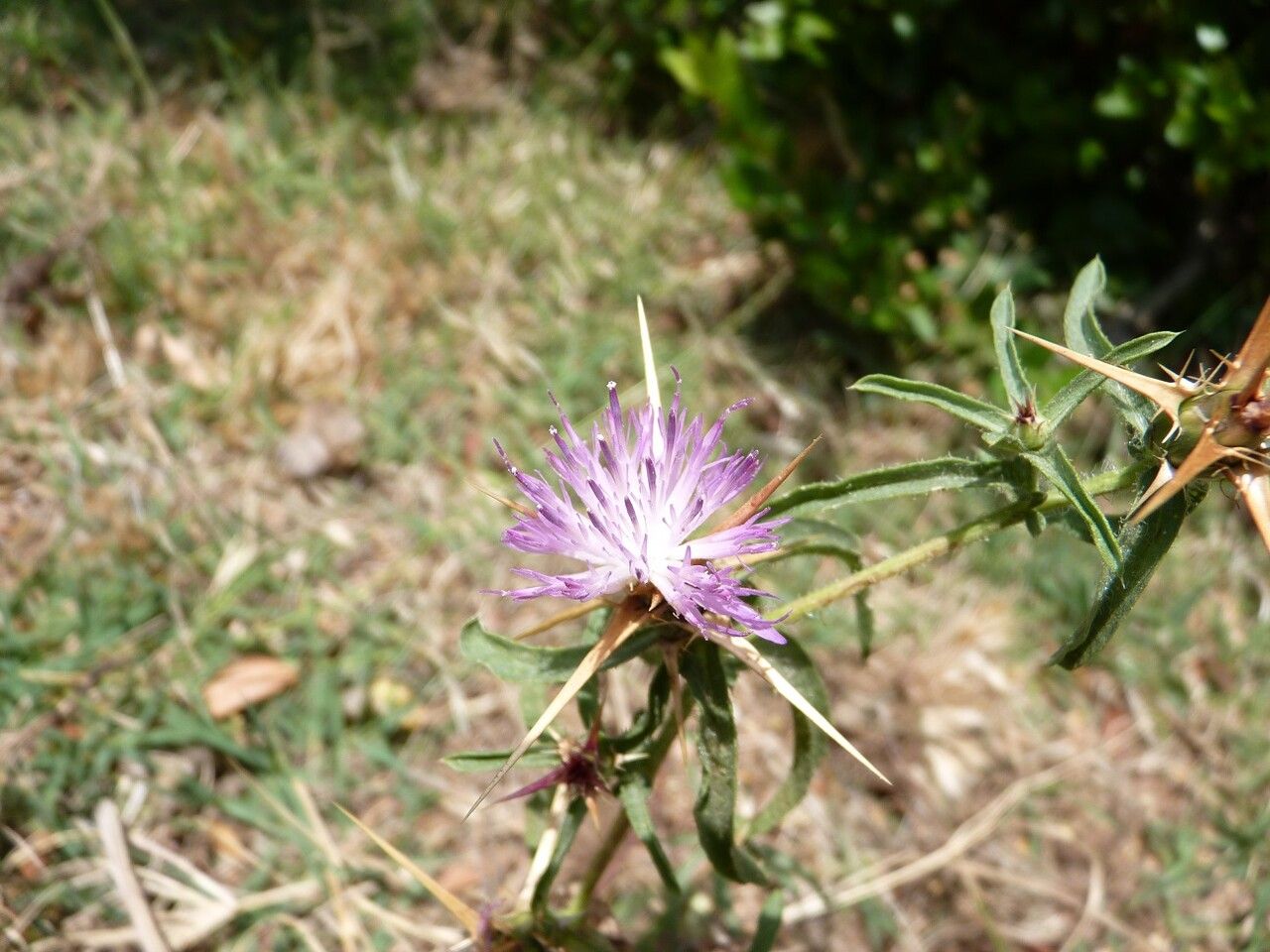
Taming the Thistle: Propagating Purple Starthistle
The Purple Starthistle (Centaurea calcitrapa) – a name that conjures images of vibrant blooms and prickly defenses. While often considered a weed due to its invasive nature in some regions, this hardy annual boasts a striking beauty with its spiky purple flowers and intricate foliage. If you’re intrigued by this botanical paradox and want to learn the secrets of its propagation, read on.
Seed Propagation: Embracing a Natural Process
Purple Starthistle primarily reproduces through seeds, making this the most common and straightforward propagation method. Here’s a step-by-step guide:
1. Seed Collection:
The best time to collect seeds is late summer or early fall when the flower heads have dried and turned brown. Carefully snip off the flower heads, wearing gloves to protect your hands from the prickly bracts.
2. Seed Extraction:
Gently break open the dried flower heads over a container to release the seeds. Each flower head contains numerous seeds, so you’ll have plenty to work with!
3. Sowing Time:
You can sow the seeds directly outdoors in the fall, allowing them to overwinter naturally. Alternatively, start them indoors 6-8 weeks before the last expected frost in your area.
4. Soil and Sowing:
Purple Starthistle prefers well-drained soil. If starting indoors, use a seed-starting mix. Sow the seeds about ¼ inch deep and mist the soil with water.
5. Light and Temperature:
Place the seed trays or outdoor planting area in a location with full sun to partial shade. The ideal germination temperature is between 65-75°F (18-24°C).
6. Thinning:
Once the seedlings have developed a few sets of true leaves, thin them out to provide adequate spacing for growth, roughly 12-18 inches apart.
Root Cuttings: A Less Conventional Approach
While less common, propagating Purple Starthistle from root cuttings can be successful:
1. Timing is Key:
The optimal time for taking root cuttings is during the plant’s dormant period, typically in late fall or early spring.
2. Unearthing the Potential:
Carefully dig around the base of an established plant and select healthy roots. Cut sections of root about 2-3 inches long.
3. Creating New Beginnings:
Plant the root cuttings horizontally in a tray filled with a well-draining potting mix. Bury them about an inch deep.
4. Patience is a Virtue:
Keep the soil lightly moist and place the tray in a cool, shaded location. Be patient, as it may take several weeks for new growth to appear.
A Note of Caution:
Before introducing Purple Starthistle into your garden, it’s crucial to research its status in your region. In some areas, it’s considered invasive due to its prolific seed production and ability to outcompete native plants. If you choose to cultivate this striking species, be mindful of responsible gardening practices to prevent its uncontrolled spread.
With patience and care, you can successfully propagate Purple Starthistle and add a touch of wild beauty to your garden. Just remember to appreciate its resilient nature while respecting its potential impact on the surrounding environment.