
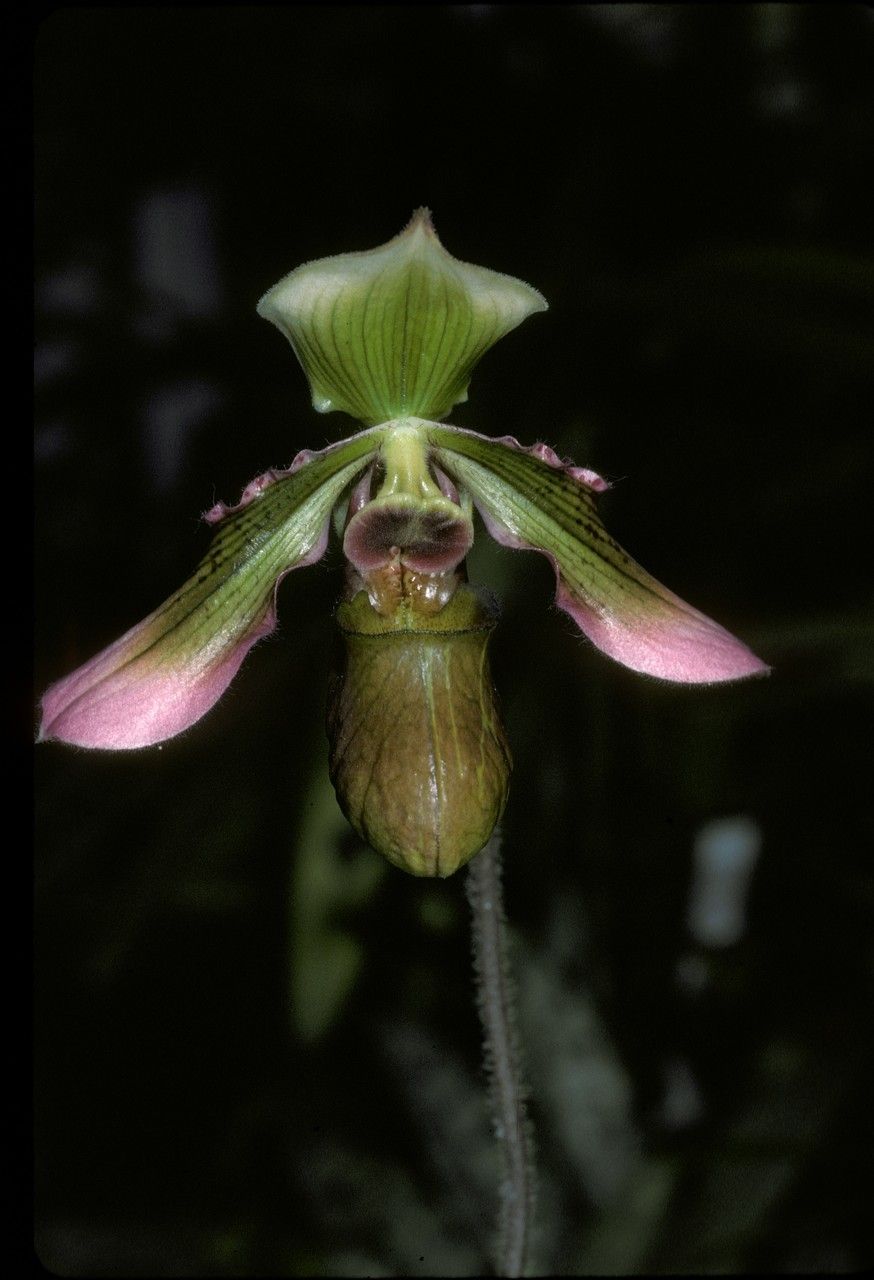
Unveiling the Secrets of Paphiopedilum hookerae Propagation: A Guide for the Home Grower
The allure of orchids is undeniable, and among them, the Paphiopedilum hookerae, with its striking striped petals and graceful slipper-shaped pouch, holds a special charm. While cultivating these botanical gems might seem daunting, understanding their propagation techniques can open a world of possibilities for orchid enthusiasts.
Unlike many orchids that readily produce keikis (plantlets on flower stalks), Paphiopedilum hookerae primarily propagates through division. While it requires patience, mastering this method offers a rewarding way to expand your collection or share the beauty of this species with fellow plant lovers.
The Art of Division: Timing is Everything
The ideal time to divide your Paphiopedilum hookerae is during spring or early summer when the plant is actively growing. Look for signs of new growth, such as fresh shoots emerging from the base. A healthy plant ready for division should have at least six mature growths, ensuring enough energy reserves for both divisions to thrive.
Step-by-Step Guide to Successful Division:
- Preparation is Key: Gather your tools: a sterilized sharp knife or pruning shears, a pot with drainage holes slightly larger than the divisions, and a well-draining orchid potting mix.
- Gentle Removal: Carefully remove the plant from its pot. Loosen the roots gently and remove any old potting medium.
- Identifying Division Points: Examine the rhizome (the horizontal stem connecting the growths). Look for natural divisions where the plant can be separated with minimal root disturbance. Each division should ideally have at least three healthy growths with their respective root systems.
- Making the Cut: Using your sterilized tool, make a clean cut through the rhizome at the identified division points.
- Treating the Wounds: Dust the cut surfaces with a fungicide powder or cinnamon to prevent infections.
- Potting the Divisions: Plant each division in the prepared pot, ensuring the base of the plant sits slightly above the rim of the pot. Fill the remaining space with the potting mix, gently firming it around the roots.
- Post-Division Care: Water the newly potted divisions thoroughly and place them in a warm, humid environment with bright, indirect light. Avoid direct sunlight, which can scorch the leaves.
Beyond Division: Alternative Propagation for the Patient Gardener
While division is the most common method, Paphiopedilum hookerae can also be propagated through seed. However, this method requires specialized knowledge and equipment, as orchid seeds are incredibly tiny and lack endosperm (food reserves). Germination often requires a sterile environment and a symbiotic relationship with specific fungi. This method is best left to experienced growers or commercial nurseries.
Patience is a Virtue:
Remember, propagating Paphiopedilum hookerae, especially through division, is a waiting game. It may take several months for the divisions to establish themselves and show significant new growth. However, with proper care and attention, you’ll be rewarded with healthy plants that will eventually bloom and become a stunning addition to your orchid collection.