
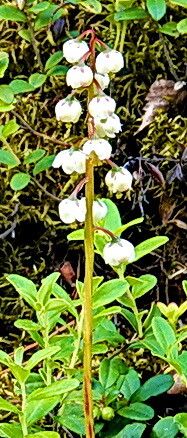
Unveiling the Mysteries of Propagating Intermediate Wintergreen (Pyrola media)
The Intermediate Wintergreen (Pyrola media), with its delicate white-to-pink bell-shaped flowers and charming evergreen foliage, is a sight to behold in woodland settings. Often overlooked, this shy beauty harbors secrets to its propagation that might surprise even seasoned gardeners. If you’re captivated by Pyrola media and dream of welcoming it into your own garden, understanding its unique life cycle is the key to successful propagation.
The Challenge of Traditional Methods:
Unlike many garden favorites, Pyrola media doesn’t readily yield to traditional methods like taking cuttings or dividing roots. This is largely due to its reliance on a fascinating partnership with mycorrhizal fungi present in the soil. These fungi form a symbiotic relationship with the plant’s roots, assisting in nutrient absorption and overall health. Disrupting this delicate balance through conventional propagation techniques often leads to failure.
Seeds: A Test of Patience:
While possible, propagating Pyrola media from seeds requires an immense amount of patience and a touch of luck. The seeds are incredibly small and require specific conditions to germinate.
Here’s a step-by-step guide for the adventurous gardener:
- Collection: Harvest ripe seed capsules in late summer or early fall. Look for capsules that are turning brown and starting to split open.
- Storage: Store seeds in a cool, dry place until late winter or early spring.
- Sowing: Sow seeds on the surface of a well-draining, acidic seed starting mix. Do not bury them, as light aids in germination.
- Moisture & Patience: Keep the soil consistently moist but not waterlogged. Germination is erratic and can take several months, even years.
Division: A Risky Endeavor:
While not recommended, division can be attempted in early spring before new growth emerges. However, success rates are low due to the plant’s sensitivity to root disturbance and its reliance on the mycorrhizal network.
If you choose to attempt division, ensure minimal disruption to the root system and incorporate soil from the original planting site to introduce beneficial fungi.
Mimicking Nature: The Best Approach:
The most successful, albeit indirect, method of propagating Pyrola media lies in mimicking its natural environment. By providing suitable growing conditions, you can encourage natural self-seeding.
Here’s what Pyrola media needs to thrive:
- Partial to Full Shade: Replicate the dappled sunlight it receives on the forest floor.
- Moist, Well-Drained Soil: Aim for acidic soil rich in organic matter, similar to its natural woodland habitat.
- Don’t Disturb!: Avoid unnecessary digging or tilling around established plants to preserve the beneficial fungal networks.
The Rewarding Journey of Pyrola media Propagation:
Propagating Pyrola media isn’t for the faint of heart. It’s a journey that demands patience, observation, and respect for the delicate balance of nature. Yet, the reward of witnessing these enchanting plants grace your own garden with their subtle beauty makes the effort worthwhile. Remember, the key lies in understanding and replicating their natural environment, allowing them to thrive and multiply as nature intended.