
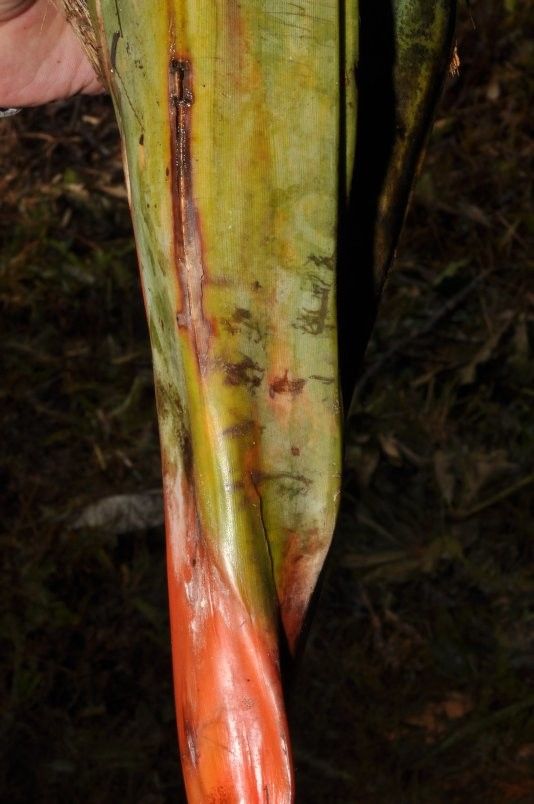
Unveiling the Secrets: Propagating the Majestic Pandanus taluucensis
The Pandanus taluucensis, also known by its more pronounceable name, the Taluan Pandanus, is a striking plant with an air of tropical elegance. Native to Southeast Asia, this resilient species, with its spiky leaves spiraling upwards like a green fountain, can transform any garden into a lush oasis. Intrigued? Let’s dive into the fascinating world of propagating these botanical wonders.
Unlike some plants that readily sprout from cuttings, the Pandanus taluucensis prefers a more deliberate approach. While it’s possible to root cuttings, the success rate can be low, making it a less reliable method. Instead, nature provides a more foolproof solution: propagation from offshoots.
The Offshoot Advantage: Nature’s Blueprint for Success
Offshoots, also known as pups, are essentially miniature clones that develop at the base of the mother plant. They emerge with their own root system, making them ideal candidates for propagation. Here’s how to guide these offshoots into becoming independent plants:
1. Choosing the Right Offshoot:
- Size Matters: Select an offshoot that is at least 6-8 inches tall. This ensures the pup has developed a robust root system for independent survival.
- Signs of Maturity: Look for offshoots with several healthy leaves and signs of their own root growth. These are clear indicators that they’re ready for separation.
2. Separation with Care:
- Timing is Key: The best time to separate offshoots is during the plant’s active growing season, typically spring or early summer.
- Gentle Removal: Using a clean, sharp knife or pruning shears, carefully detach the offshoot from the mother plant. Ensure you get as much of the offshoot’s root system as possible.
- Prepping the Offspring: Trim away any damaged or diseased roots from the offshoot.
3. Potting for Success:
- Well-Draining Mix: Choose a pot with good drainage and use a loose, well-draining potting mix. A mix formulated for succulents or cacti works well.
- Shallow Planting: Plant the offshoot at the same depth it was growing on the mother plant, ensuring the base of the leaves is above the soil line.
- Watering In: Water the newly potted offshoot thoroughly, allowing excess water to drain.
4. Patience is Key:
- Bright, Indirect Light: Place the potted offshoot in a location with bright, indirect light. Avoid direct sunlight, which can scorch the young plant.
- Consistent Moisture: Keep the soil consistently moist but not waterlogged. Allow the top inch of soil to dry out between waterings.
- Root Development: It may take several weeks for the offshoot to establish its root system in the new pot. Be patient and avoid overwatering during this crucial time.
5. Thriving Independently:
- Fertilize Regularly: Once established, fertilize your Pandanus taluucensis offshoot every 4-6 weeks during the growing season with a balanced liquid fertilizer.
- Enjoying your Success: With proper care, your offshoot will develop into a stunning replica of its parent, adding a touch of the tropics to your indoor or outdoor space.
Propagating your Pandanus taluucensis through offshoots is a rewarding experience. It allows you to multiply your collection, share these fascinating plants with others, and connect with the natural world through a hands-on approach. So, embrace the journey, cultivate your green thumb, and enjoy the satisfaction of nurturing new life from a single, majestic plant.