
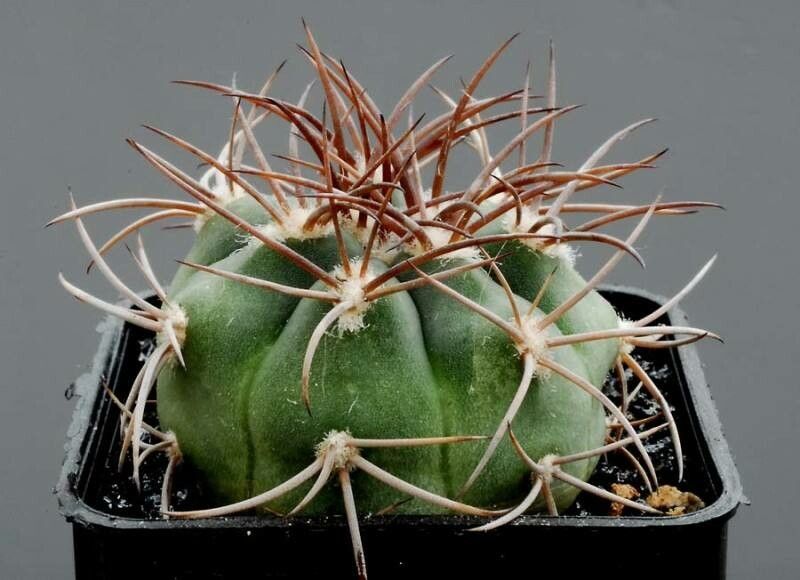
Unveiling the Secrets: How to Propagate Gymnocalycium rhodantherum (And Why You Should!)
The Gymnocalycium rhodantherum, also known as the “Red-flowered Chin Cactus,” is a captivating sight with its vibrant blooms and unique, spineless appearance. While admiring its beauty is reward enough, imagine multiplying that joy by propagating your own miniature versions! Don’t worry, it’s not as daunting as you might think.
This guide dives deep into the fascinating world of Gymnocalycium rhodantherum propagation, equipping you with the knowledge to become a confident cactus parent.
Understanding the Basics
Before diving into techniques, let’s understand how this cactus reproduces. Gymnocalycium rhodantherum can be propagated through two main methods:
1. Seeds: This method, while requiring patience, offers the satisfaction of witnessing the entire life cycle of your cactus.
2. Offsets: Also known as “pups,” these are miniature replicas that grow around the base of the mother plant.
Method 1: Sowing the Seeds of Success
- Obtaining Seeds: You can harvest seeds from mature cacti fruits or purchase them from reputable suppliers. Look for plump, healthy seeds for better germination rates.
- Sowing Time: Spring is ideal, providing warmth and ample sunlight for optimal growth.
- Preparation is Key: Use a well-draining soil mix specifically designed for cacti and succulents. Moisten the mix before spreading the seeds evenly on the surface. Don’t bury them; light encourages germination.
- Creating the Ideal Environment: Cover the pot with a clear plastic wrap or humidity dome to create a warm, humid microclimate. Place it in a bright location, but avoid direct sunlight which can scorch the delicate seedlings.
- Patience is a Virtue: Germination can take anywhere from a few weeks to a couple of months. Regularly check moisture levels and remove condensation from the covering to prevent mold growth.
- Thinning the Herd: Once seedlings emerge, thin out weaker ones to provide ample space for the strongest to thrive.
Method 2: The Joy of Offsets
- Identifying the Right Time: Offsets are usually ready for removal when they are about one-third the size of the parent plant.
- Gentle Separation: Carefully detach the offset from the mother plant using a clean, sharp knife or your fingers. Ensure that the pup has some roots attached for better chances of survival.
- Allowing Time to Heal: Let the separated offset dry for a few days in a shaded area to allow the cut surface to callous. This prevents potential rot.
- Potting and Care: Plant the offset in a well-draining mix, burying only the roots. Water sparingly until you see new growth, signaling successful rooting.
Caring for Your Propagated Treasures
Whether you choose seeds or offsets, the care routine remains similar:
- Light: Provide bright, indirect light. Rotate the pot regularly to ensure even growth.
- Watering: Water deeply but infrequently, allowing the soil to dry completely between waterings. Overwatering is a common pitfall, so err on the side of caution.
- Fertilization: Feed your cactus with a diluted, balanced fertilizer during the growing season (spring and summer) to promote healthy growth.
The Rewards of Propagation
Propagating your Gymnocalycium rhodantherum provides an unmatched sense of accomplishment. Watching a tiny seed sprout or an offset flourishing independently is truly rewarding. This practice allows you to expand your cactus collection while also sharing the joy of these fascinating plants with friends and family.
So, why wait? Embark on your propagation journey and unlock a world of spiny wonders with your very own Gymnocalycium rhodantherum!