
Unlocking the Secrets of Rue: A Guide to Propagating Ruta graveolens
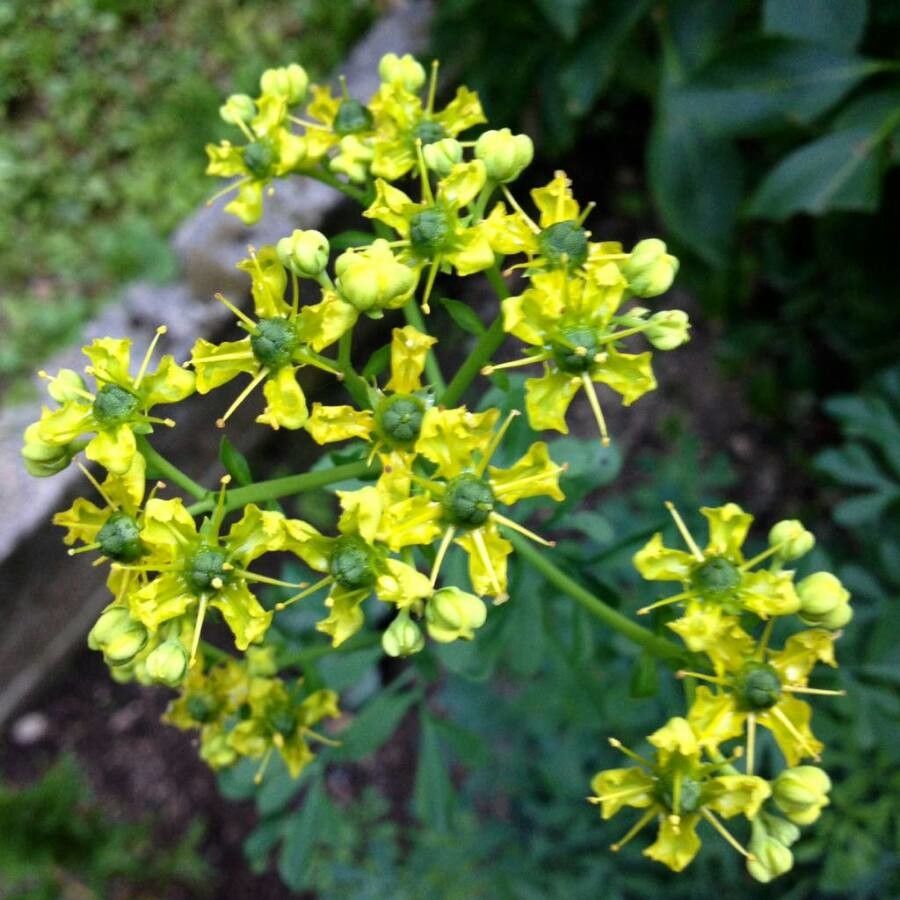
Ruta graveolens, commonly known as rue or herb-of-grace, is a fascinating herb with a rich history of medicinal and culinary uses. Its silvery-green foliage and delicate yellow flowers add a unique charm to any garden. If you’re looking to welcome this enchanting herb into your own space, propagation is surprisingly simple. Let’s delve into the different methods of multiplying your rue and ensuring its fragrant legacy lives on.
Methods of Propagation:
Rue offers gardeners two primary methods of propagation:
1. Growing Rue from Seed:
- Timing is Key: The ideal time to sow rue seeds is in the spring after the last frost. You can start them indoors 6-8 weeks before your anticipated last frost date.
- Sowing the Seeds: Use a seed starting mix and sprinkle the seeds on the surface, pressing them lightly into the soil. Rue seeds need light to germinate, so avoid burying them deeply.
- Patience is a Virtue: Germination can be slow, taking anywhere from 2-4 weeks. Keep the soil consistently moist but not soggy.
- Transplanting Time: Once the seedlings have grown a few inches tall and the danger of frost has passed, transplant them outdoors. Choose a sunny location with well-drained soil.
- Spacing: Space your rue plants about 18 inches apart to allow for their mature size.
2. Propagating Rue from Cuttings:
- The Right Time: Early summer is the optimal time to take cuttings, selecting healthy stems from established plants.
- Taking the Cuttings: Use a sharp, clean knife or pruning shears to take cuttings that are 4-6 inches long. Remove the lower leaves from the bottom inch of the cutting.
- Encouraging Root Development: Dip the cut end of the stem in rooting hormone powder (optional but helpful).
- Planting the Cuttings: Plant the cuttings in a well-draining potting mix, burying at least one node (where the leaves were attached) below the soil line.
- Creating a Humid Environment: To promote rooting, cover the pot with a plastic bag or place it in a propagator. This helps retain moisture and creates a greenhouse-like environment.
- Rooting Time: The cuttings will generally root within 4-6 weeks. You’ll know they’ve rooted when you see new growth.
- Transplanting: Once rooted, you can carefully transplant your new rue plant into a larger pot or directly into your garden.
Caring for Your New Rue Plants:
Whether started from seed or cuttings, caring for your rue is relatively straightforward:
- Sun Worshippers: Rue thrives in full sun, needing at least six hours of direct sunlight daily for optimal growth and oil production.
- Well-Drained Soil: Rue prefers well-drained soil and is relatively drought-tolerant once established. Avoid overwatering, as it can lead to root rot.
- Minimal Feeding: Rue is not a heavy feeder. Amending the soil with compost before planting will generally provide sufficient nutrients.
- Pruning for Shape and Size: To maintain a bushy shape and prevent legginess, prune your rue plants regularly. This is best done after flowering.
A Word of Caution:
While rue offers numerous benefits, it’s essential to handle it with care. Rue oil can cause skin irritation in some individuals, so always wear gloves when handling the plant. Additionally, while used medicinally for centuries, it’s essential to consult a healthcare professional before ingesting rue, as it can be toxic in large quantities.
By following these guidelines, you can successfully propagate and enjoy the unique beauty and benefits of Ruta graveolens in your own garden space. Happy gardening!