
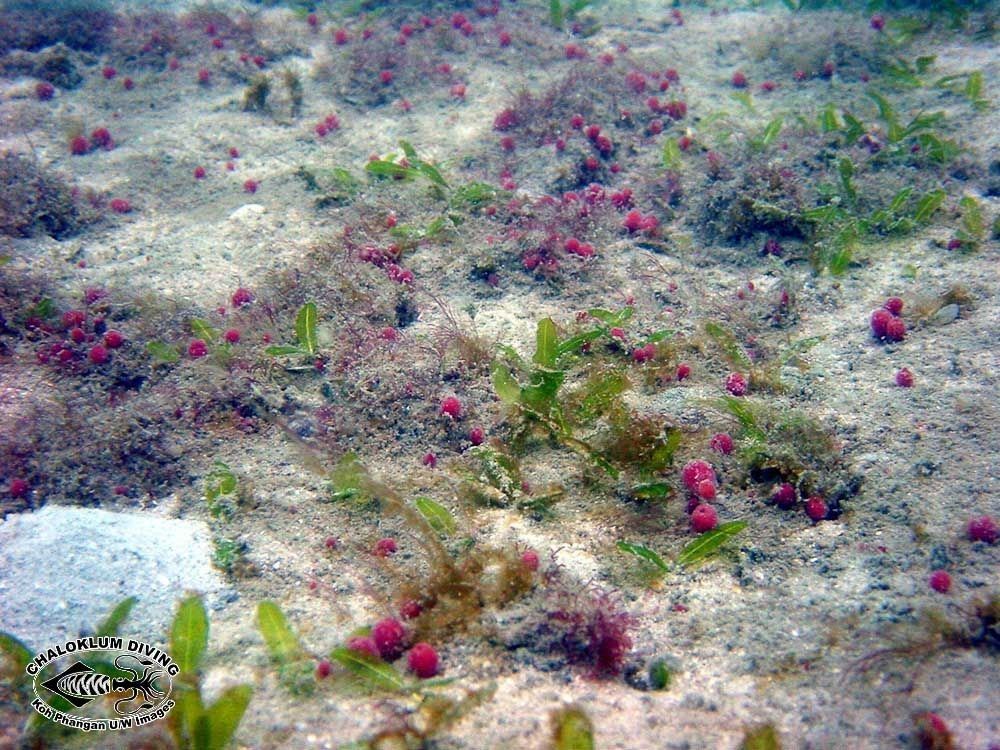
The Seagrass Shuffle: Unraveling the Mysteries of Halophila Decipiens Propagation
Hidden beneath the waves, a delicate dance of survival plays out every day. No, we’re not talking about mermaids, but something just as fascinating – the propagation of Halophila decipiens, a vital but often overlooked seagrass species.
Halophila decipiens, also known as paddle grass for its spoon-shaped leaves, is found in tropical and subtropical waters worldwide. It might not have the towering presence of kelp forests or the vibrant colors of coral reefs, but this unassuming seagrass plays a crucial role in marine ecosystems. It provides food and shelter for various marine organisms, stabilizes the seafloor, and even helps mitigate climate change by absorbing carbon dioxide.
Understanding how Halophila decipiens reproduces and spreads, in other words, its propagation, is key to protecting existing meadows and restoring damaged ones. So let’s dive deeper into the intriguing world of seagrass propagation!
Two Ways to Grow: Seeds and Clones
Just like land plants, Halophila decipiens has two primary methods of propagation:
Sexual Reproduction (Seeds): This method involves the production of flowers, pollination, and the eventual formation of seeds. These seeds, carrying the genetic material from both parent plants, are released into the water column and carried by currents to potentially establish new meadows.
- Challenges: While effective, seed propagation faces hurdles. Pollination in the marine environment is a somewhat random affair, relying on currents or small invertebrates to transfer pollen. Seeds face predation and may land in unsuitable environments, impacting their chances of survival.
Asexual Reproduction (Clones): In this method, new plants are generated from the parent plant itself. Halophila decipiens accomplishes this through a process called “rhizome elongation.” Rhizomes are underground stems, like long fingers, that grow horizontally. New shoots and roots sprout from nodes along these rhizomes, effectively creating clones of the parent plant.
- Benefits: Asexual reproduction is highly effective for rapid colonization of an area. As these clones are genetically identical to the parent plant, they are already well-adapted to the existing conditions.
Why Understanding Propagation Matters
Halophila decipiens, like many seagrass species globally, is facing increasing threats from habitat loss, pollution, and climate change. Understanding its propagation strategies is paramount for conservation efforts.
By identifying the factors that influence seed production and germination rates, scientists and conservationists can develop targeted strategies for restoring damaged seagrass meadows. Furthermore, understanding the growth patterns of rhizomes can inform decisions on transplanting healthy seagrass to new areas, encouraging the revival of these vital ecosystems.
Citizen Science: You Can Make a Difference
The fascinating world of Halophila decipiens propagation isn’t limited to scientists and researchers. Citizen scientists can play a crucial role in monitoring existing seagrass meadows, reporting any changes, and even participating in restoration efforts. By getting involved, we can all contribute to protecting these underwater gardens and ensuring a healthy future for our oceans.
So, the next time you’re at the beach, remember the unseen world beneath the waves. Take a moment to appreciate the silent symphony of survival being orchestrated by these unassuming heroes of our oceans – the seagrasses like Halophila decipiens.