
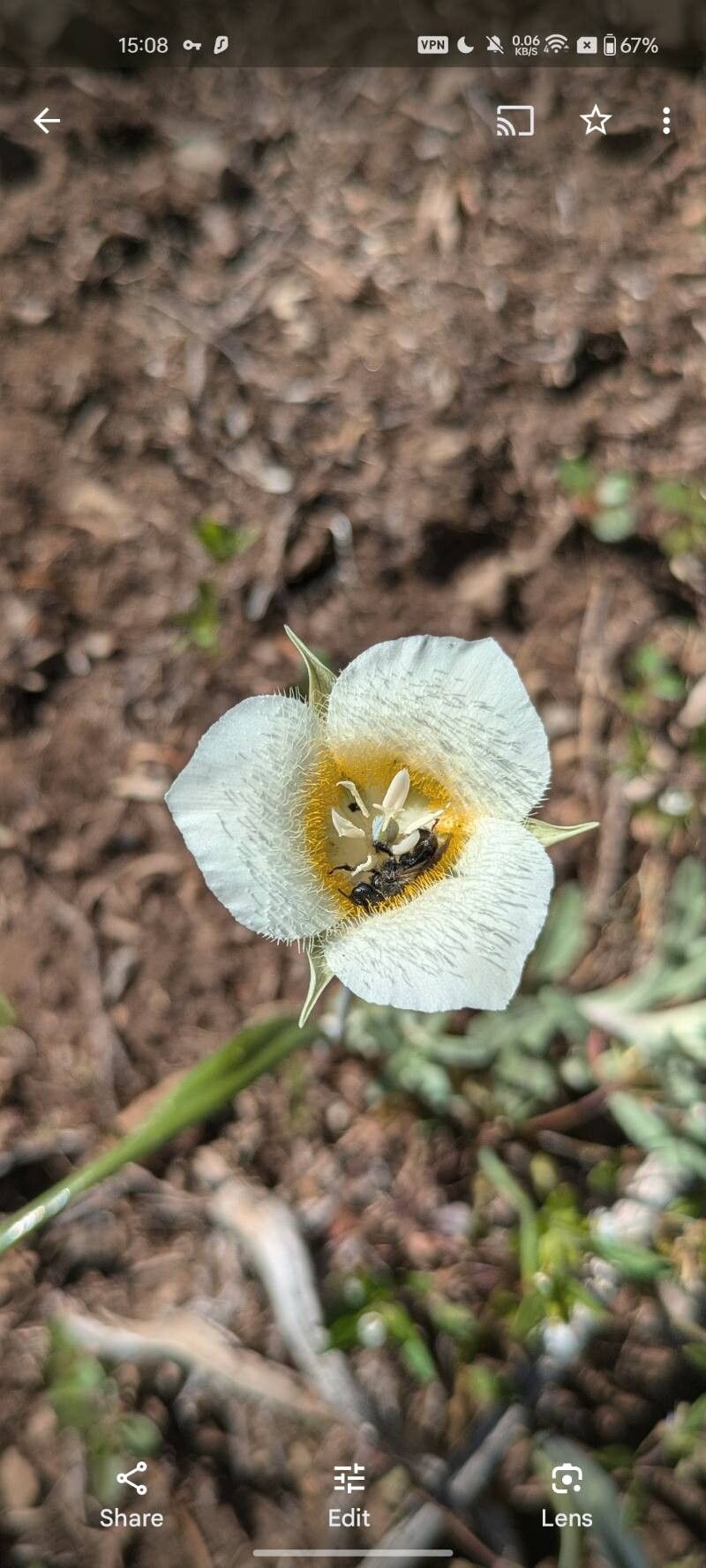
Unveiling the Secrets of Calochortus Subalpinus: A Propagation Guide for Gorgeous Garden Blooms
Calochortus subalpinus, the charming “Subalpine Mariposa Lily,” captivates with its delicate, star-shaped blooms adorning mountain meadows. Though a sight to behold in its natural habitat, wouldn’t it be splendid to welcome this beauty into your own garden? While it requires a bit of patience, propagating Calochortus subalpinus is a rewarding endeavor for any plant enthusiast. Let’s explore the two main methods to bring this captivating wildflower to life in your backyard.
Method 1: From Seed to Sprout – A Test of Patience
Propagating Calochortus subalpinus from seed is an adventure for those who appreciate the magic of nature’s slow and steady pace. Here’s how you can do it:
- Seed Collection: Gather mature seeds from existing plants in late summer or early fall. Look for dried seed pods that have turned brown and begun to split open.
- Winter Sowing: Mimicking their natural cycle, sow the seeds in a seed tray filled with well-draining seed starting mix during the late fall or early winter. Lightly cover the seeds with a sprinkle of the mix.
- Cold Stratification: The secret to successfully germinating these seeds lies in replicating their natural winter dormancy. Place the seed tray outdoors in a sheltered location or in a refrigerator (around 40°F) for at least three months. This “cold stratification” period is crucial for breaking seed dormancy.
- Spring Awakening: As spring arrives and temperatures warm, bring the seed tray back outdoors to a sunny location. Keep the soil consistently moist but not waterlogged.
- Germination: Be patient! Germination can take anywhere from a few weeks to several months.
- Transplanting: Once the seedlings develop a few true leaves, carefully transplant them into individual pots or directly into your garden after the last frost.
Method 2: Division – Multiplying Your Floral Bounty
For a quicker method of propagation, consider division, but remember, this method requires an already established clump of Calochortus subalpinus.
- Timing is Key: The optimal time for division is during the plant’s dormancy period in late summer or early fall after the foliage has died back.
- Gentle Approach: Carefully dig around the perimeter of the established clump, loosening the soil. Using a garden fork or spade, carefully lift the entire clump from the ground.
- Division Time: Gently tease apart the bulbs, ensuring that each division has a good root system attached.
- Replanting: Replant the divided bulbs immediately into well-draining soil enriched with compost. Ensure that the depth is approximately twice the bulb’s height. Water well after planting.
Nurturing Your Calochortus Subalpinus:
Regardless of your chosen propagation method, provide the following care tips to help your Calochortus subalpinus thrive:
- Well-Draining Soil: These beauties despise soggy roots. Opt for sandy or gravelly soil that allows for excellent drainage.
- Sun or Shade?: While they appreciate full sun, in hotter climates provide some afternoon shade to prevent scorching.
- Watering Wisely: Water deeply but infrequently, allowing the soil to dry slightly between waterings. Reduce watering significantly during the dormant period.
By following these propagation techniques and care tips, you’ll be well on your way to cultivating these exquisite wildflowers. With a little patience and dedication, you can enjoy the ethereal beauty of Calochortus subalpinus, adding a touch of wildflower magic to your own garden haven!