
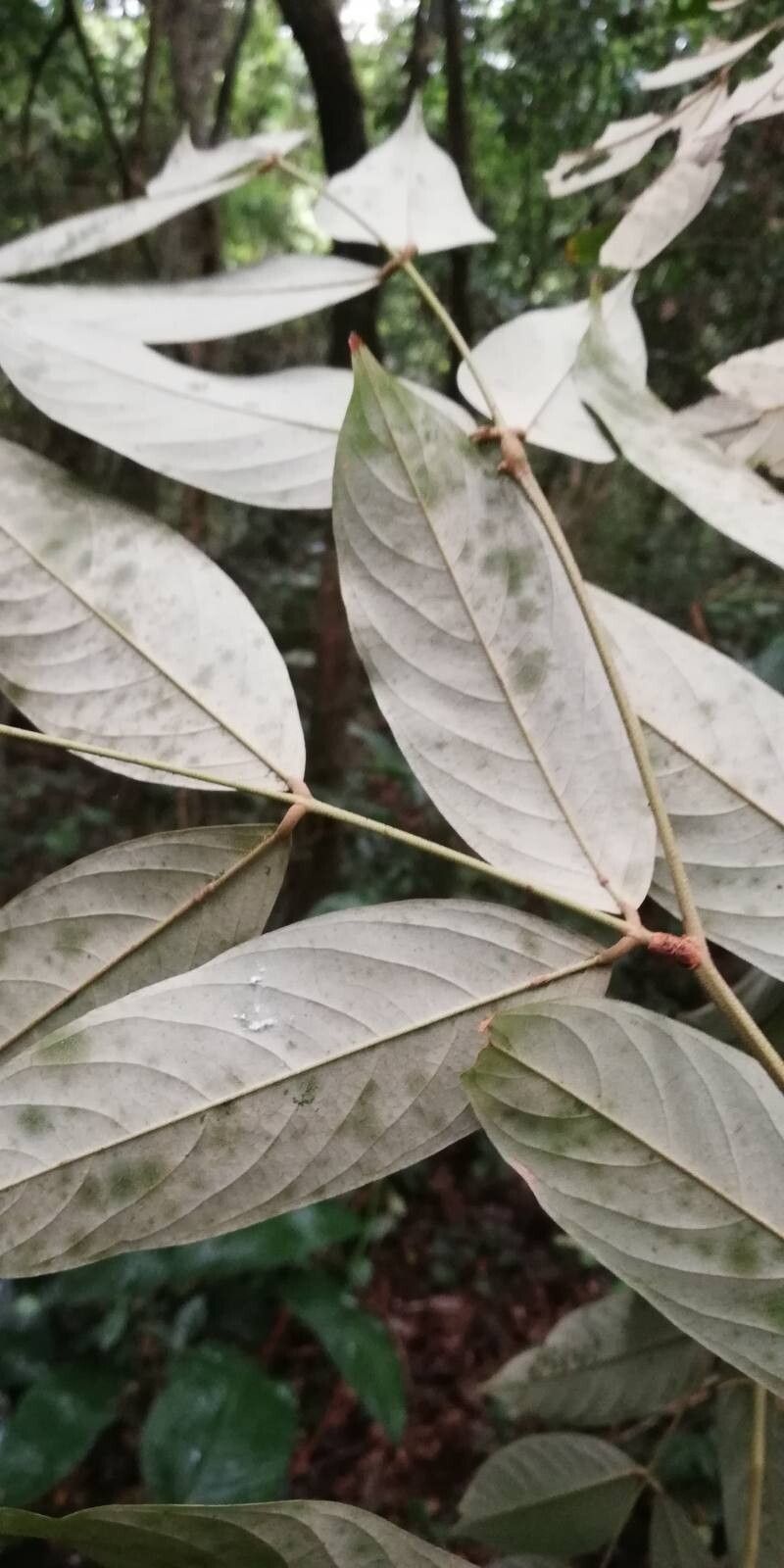
Unlocking the Fragrant Secrets: Propagating Anthonotha fragrans
Anthonotha fragrans, with its clusters of delicate, sweet-scented flowers and lush foliage, is a true tropical gem. This lesser-known species, native to the rainforests of Africa, has the potential to captivate plant enthusiasts with its unique charm. But successfully introducing Anthonotha fragrans to your home begins with understanding its propagation needs. Let’s delve into the world of propagating this beauty, exploring both sexual and asexual methods.
Sexual Propagation: A Journey from Seed to Sprout
The most common and rewarding method of propagating Anthonotha fragrans is through seeds. However, patience is key, as the seeds can sometimes be slow to germinate.
Seed Collection and Preparation: Collect mature seed pods directly from the Anthonotha fragrans tree. These pods are usually brown and dry when ready. Extract the seeds from the pods and remove any remaining pulp or debris.
Scarification: Anthonotha fragrans seeds possess a hard seed coat that can hinder water absorption and germination. To soften the coat, employ a technique called scarification. Gently rub the seed coat with sandpaper or a file, creating a small nick.
Sowing: Plant the scarified seeds in a well-draining seed-starting mix, burying them about an inch deep. Choose a warm, bright location for your seed tray, but avoid direct sunlight that can scorch the delicate seedlings.
- Patience & Care: Keep the soil consistently moist but not waterlogged. Germination can take anywhere from a few weeks to several months. Once the seedlings emerge, provide them with ample humidity and bright, indirect light.
Asexual Propagation: Cloning your Fragrant Treasure
While a bit more challenging, propagating Anthonotha fragrans through cuttings offers a quicker route to mature plants and ensures genetic replicas of the parent plant.
Cutting Selection: In the early morning, when the plant is most hydrated, select healthy, semi-hardwood cuttings from the current year’s growth. Look for cuttings with at least two nodes (the points where leaves emerge).
Cutting Preparation: Remove the leaves from the lower node of the cutting. Treat the cut end with a rooting hormone powder or liquid to promote root development.
Planting the Cutting: Insert the hormone-treated end of the cutting into a well-draining rooting medium, like a mixture of perlite and peat moss. Keep the medium consistently moist.
Creating a Humid Environment: Cover the cutting with a plastic bag or humidity dome to trap moisture and encourage rooting. Place in a warm, bright location, but out of direct sunlight.
- Transplanting: After several weeks, gently tug on the cutting to check for root development. Once the roots are established, you can transplant the new Anthonotha fragrans plant into a larger pot with well-draining soil.
Challenges and Considerations
Anthonotha fragrans thrives in warm, humid climates, and replicating these conditions is crucial for successful propagation. Additionally, be aware that these plants can be susceptible to fungal diseases, so adequate air circulation is important.
Reaping the Rewards
Propagating Anthonotha fragrans requires dedication and patience, but the reward of these fragrant beauties gracing your home is well worth the effort. Whether you choose to nurture them from seed or cultivate clones from cuttings, remember to provide them with the warmth, humidity, and care they need to flourish.