
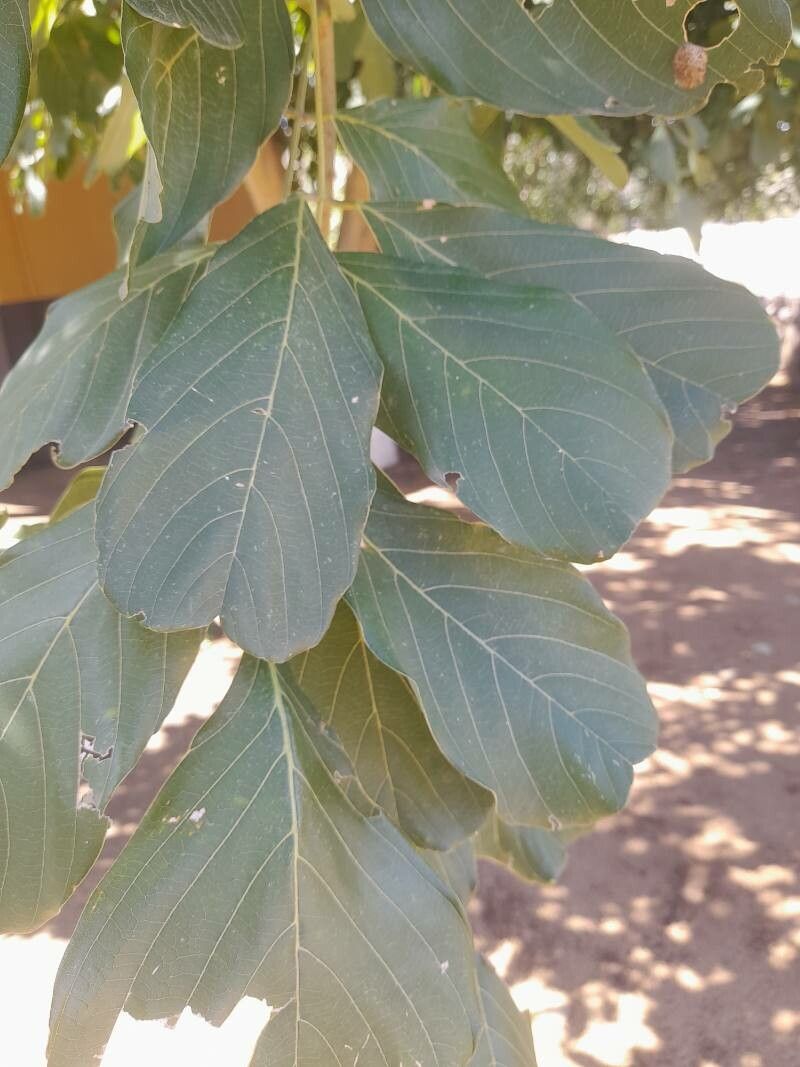
Unlocking the Secrets of Panga Panga Propagation: A Guide to Growing Millettia stuhlmannii
The Panga Panga, scientifically known as Millettia stuhlmannii, is a majestic African hardwood tree prized for its beautiful, intricately patterned wood. While often admired for its furniture applications, did you know that it’s possible to propagate and cultivate this stunning species? Whether you’re a seasoned gardener or a curious beginner, this guide explores the fascinating world of Panga Panga propagation, offering insights and techniques to help you succeed.
Understanding the Basics: Seed vs. Cutting Propagation
Two primary methods exist for propagating Panga Panga trees:
Seed Propagation: This method involves collecting mature seeds from existing trees. While seemingly straightforward, seed propagation can be more challenging due to seed dormancy issues and the need for specific germination conditions.
- Cutting Propagation: This method focuses on stimulating root development from sections of healthy branches. Cutting propagation often yields quicker results and can be more reliable if you have access to a mature Panga Panga tree.
Method 1: Demystifying Seed Propagation
Seed Collection & Preparation: Panga Panga produces pods containing flat, bean-like seeds. Collect mature, dry pods directly from the tree, ensuring they haven’t been damaged or infested. Extract the seeds and scarify them lightly to break dormancy. This can be achieved by gently rubbing them with sandpaper or a file.
- Sowing & Germination: Prepare a well-draining seed-starting mix and sow the scarified seeds at a depth of about 1 inch. Maintain a consistent temperature of around 70-75°F (21-24°C) and ensure the soil remains evenly moist but not waterlogged. Germination can take anywhere from a few weeks to several months, so patience is key.
Method 2: Mastering Cutting Propagation
Cutting Selection & Preparation: During the growing season (spring or early summer), choose healthy, semi-hardwood branches from a mature Panga Panga tree. Ideal cuttings are about 4-6 inches long and have at least two leaf nodes. Remove the leaves from the lower half of the cutting.
Rooting Hormone & Planting: Dip the cut end of the cutting into a rooting hormone powder or gel to encourage root development. Plant the treated cutting in a pot filled with a well-draining rooting mix, ensuring the leaf nodes are buried.
- Creating a Humid Environment: Cover the pot with a clear plastic bag or use a propagation dome to retain humidity and create a greenhouse-like environment. Mist the cutting regularly and ensure it receives bright, indirect sunlight.
Care and Maintenance for Young Panga Panga Trees
Regardless of the propagation method, once your Panga Panga seedlings or cuttings develop roots and show signs of new growth, gradually acclimate them to outdoor conditions. Plant them in well-drained soil, ideally in a location that receives full sun to partial shade. Water regularly, especially during the first few years, and fertilize annually with a balanced fertilizer.
Propagating a Legacy: Patience and Persistence Pays Off
Propagating Panga Panga requires patience and a dash of green thumb magic. While both seed and cutting propagation methods present their challenges and rewards, understanding the nuances of each approach empowers you to cultivate this magnificent species successfully. With time and care, you can witness the wonder of new life emerging from a tiny seed or a simple cutting, contributing to the enduring legacy of this remarkable tree.