
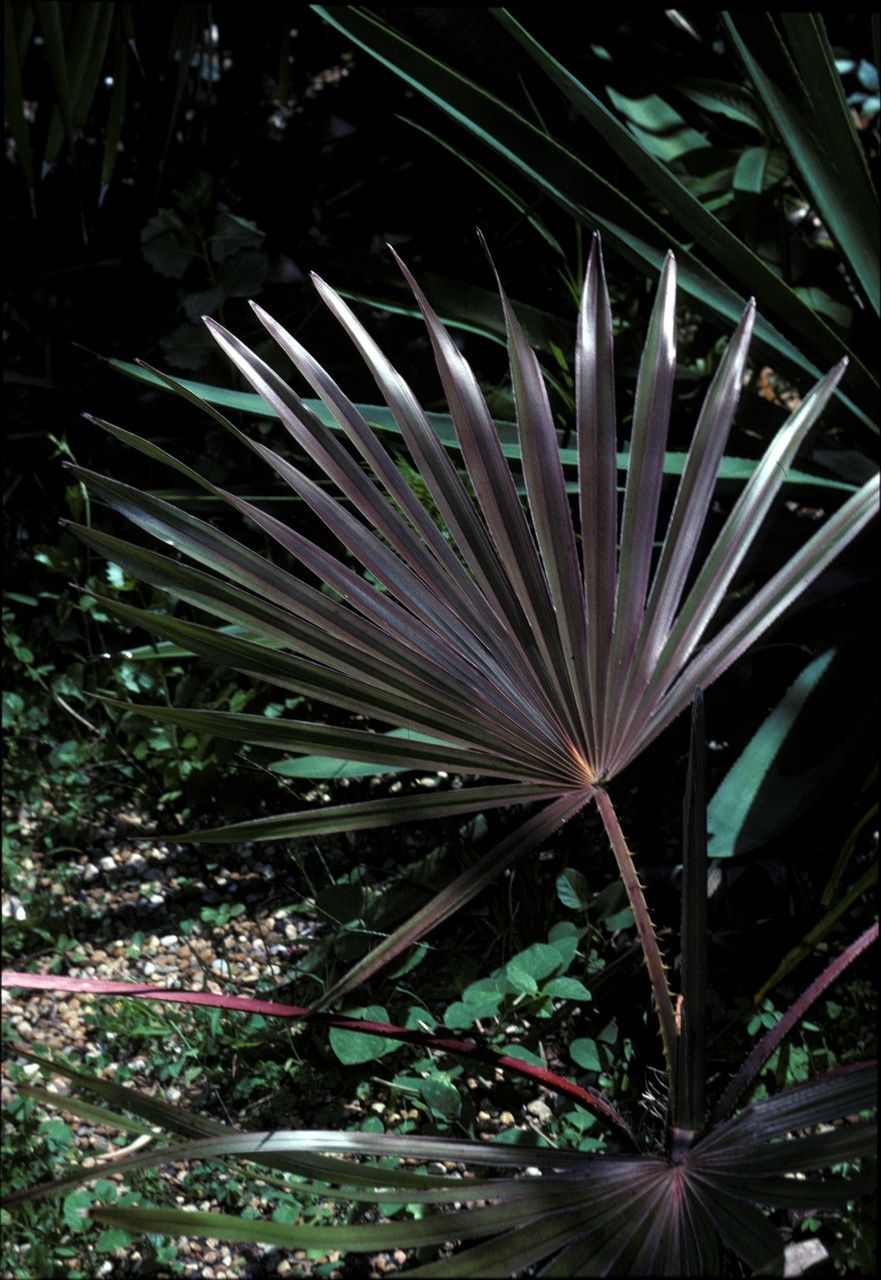
Unfurling the Secrets: Propagating Your Very Own Livistona Rigida
The Livistona Rigida, with its majestic fan-shaped fronds and hardy demeanor, is a true showstopper in any landscape. But did you know you can easily multiply your verdant investment? Propagating your own Livistona Rigida, also known as the “Taraw Palm” or “Cabbage Palm,” is a rewarding endeavor that’s easier than you might think. Let’s delve into the world of propagating this iconic Australian native:
Understanding Livistona Rigida Propagation:
Unlike many plants, Livistona Rigida doesn’t propagate from cuttings. The only way to multiply these palms is through seed propagation. While it requires a bit more patience, the process is relatively straightforward and promises a fulfilling journey from tiny seed to flourishing palm.
Step-by-Step Guide to Propagating Livistona Rigida from Seed:
Source Fresh, Viable Seeds: The key to success lies in obtaining fresh, high-quality seeds. You can harvest mature seeds directly from a Livistona Rigida if you have access or purchase them from reputable online vendors or nurseries specializing in palm varieties.
Prepare the Seeds for Germination: Before sowing, soak the seeds in lukewarm water for 24-48 hours. This process softens the outer shell and encourages faster germination.
Planting the Seeds: Choose a well-draining seed-starting mix or create your own by combining equal parts peat moss, perlite, and vermiculite. Fill small pots or seed trays with the mix, moisten it thoroughly, and press each seed about an inch deep into the soil.
Creating the Perfect Environment: Place the pots or trays in a warm, humid location. A consistent temperature between 75-85°F (24-29°C) is ideal for germination. Consider using a heat mat to maintain optimal temperatures, especially during cooler months. Covering the pots with a plastic dome or humidity dome will help retain moisture and create a mini-greenhouse effect.
Patience is Key: Germination can take anywhere from a few weeks to several months, so don’t be discouraged if you don’t see sprouts immediately. Maintain consistent moisture in the soil without letting it become soggy.
Nurturing the Seedlings: Once the seedlings emerge, remove the humidity dome and gradually acclimate them to slightly drier air. Provide bright, indirect sunlight, gradually increasing their exposure to direct sun as they grow stronger.
- Transplanting Time: When the seedlings are a few inches tall and have developed a robust root system, they are ready for transplanting. Carefully transfer them into larger pots, using a well-draining potting mix specifically formulated for palms.
Caring for Your Young Livistona Rigida:
- Light: These palms thrive in full sun to partial shade. Provide at least 6 hours of sunlight daily for healthy growth.
- Water: Water regularly, allowing the soil to dry out slightly between waterings. Avoid overwatering, as it can lead to root rot.
- Fertilizer: Feed your young palm with a balanced, slow-release fertilizer specifically formulated for palms during the growing season (spring and summer).
- Pruning: Remove any dead or damaged fronds to maintain the palm’s appearance and health.
The Rewards of Patience:
Propagating your own Livistona Rigida is a labor of love, requiring patience and care. However, witnessing the transformation from a tiny seed to a thriving palm is truly gratifying. With time and proper care, your propagated Livistona Rigida will reward you with its stunning tropical beauty, transforming your landscape into a verdant paradise for years to come.