
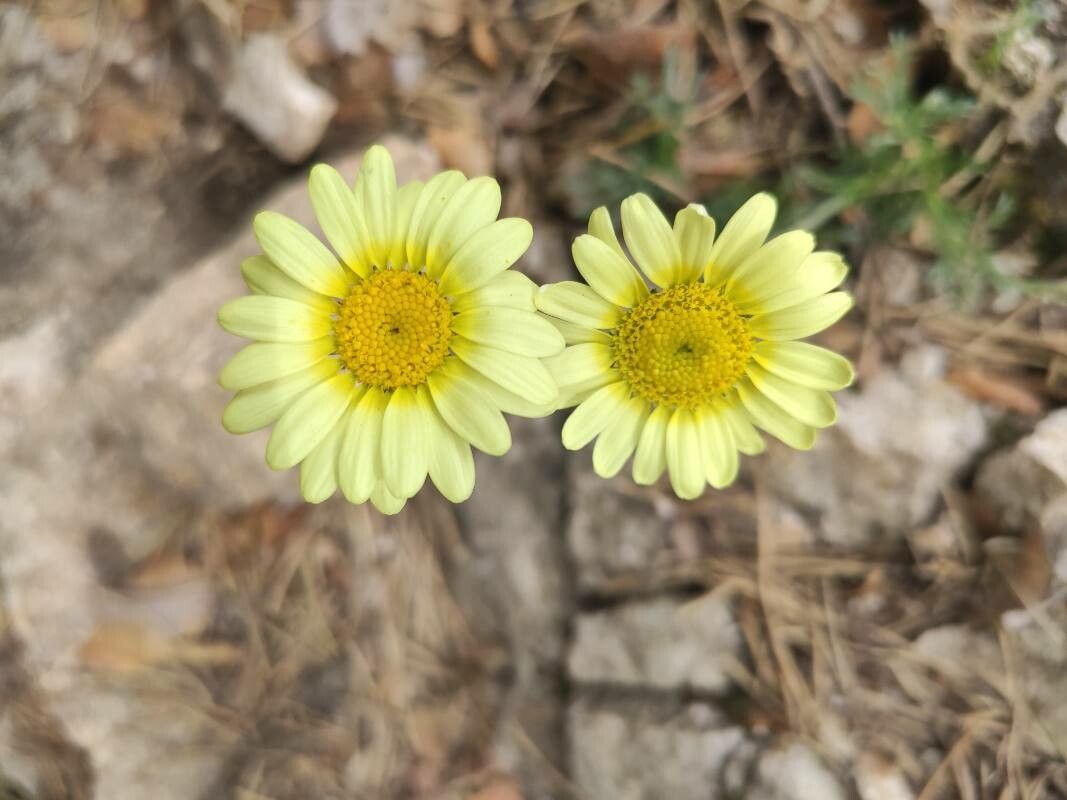
Multiply the Sunshine: Propagating Your Shasta Daisy (Leucanthemopsis pectinata)
The Shasta daisy (Leucanthemopsis pectinata), with its cheerful white petals surrounding a sunny yellow center, is a beloved garden classic. But did you know that you can easily multiply your stock of these charming flowers without breaking the bank? Let’s delve into the world of Shasta daisy propagation and explore the methods that will let you enjoy their bright blooms for years to come!
Three Ways to Grow More Shasta Daisies
Shasta daisies are surprisingly versatile when it comes to propagation. You can try your hand at:
1. Division: This is the most common and arguably easiest method.
- When to Divide: Early spring or fall, when the plant is dormant or just starting to show new growth, is ideal.
- How to Divide: Carefully dig up a healthy clump of Shasta daisy. Using a sharp spade or garden knife, slice through the root ball, ensuring each section has a good amount of roots and shoots attached. Replant the divisions immediately at the same depth they were growing previously.
2. Cuttings: Want a challenge? Try propagating from stem cuttings!
- When to Take Cuttings: Early summer, when the plants are actively growing, is the best time.
- Taking Cuttings: Choose healthy, non-flowering stems. Using clean, sharp shears, take 4-6 inch cuttings just below a leaf node. Remove the lower leaves, leaving a few at the top.
- Rooting Hormone (Optional): Dip the cut end in rooting hormone to encourage root development.
- Planting & Care: Plant the cuttings in a well-draining potting mix or seed starting mix. Water thoroughly and cover with a plastic bag or humidity dome to create a warm, humid environment. Once roots develop (in a few weeks), gradually acclimate the cuttings to outdoor conditions before planting in their permanent location.
3. Seeds: Starting Shasta daisies from seed requires a bit more patience, but it’s a rewarding experience.
- Sowing Indoors: Begin seeds indoors 6-8 weeks before the last expected frost. Sow the seeds in seed starting mix, lightly covering them.
- Providing Light & Warmth: Place the seed tray in a bright location and maintain a temperature of around 70°F (21°C).
- Transplanting: Once the seedlings develop a few sets of true leaves and all danger of frost has passed, harden them off and transplant them outdoors.
Tips for Propagation Success:
- Well-Drained Soil: Shasta daisies thrive in well-drained soil. Amend heavy clay soils with compost or other organic matter before planting to improve drainage.
- Sun Lovers: These beauties adore sunshine! Choose a location that receives at least 6 hours of direct sunlight per day.
- Watering Wisely: Water deeply after planting and then regularly, especially during dry periods. Don’t overwater, as soggy soil can lead to root rot.
- Pinching Back: Pinching back the tips of young plants encourages bushier growth and more abundant blooms.
Propagating Shasta daisies is a rewarding experience that allows you to expand your garden palette and share the joy of these beautiful flowers with others. So, roll up your sleeves, get your hands a little dirty, and enjoy the process!