
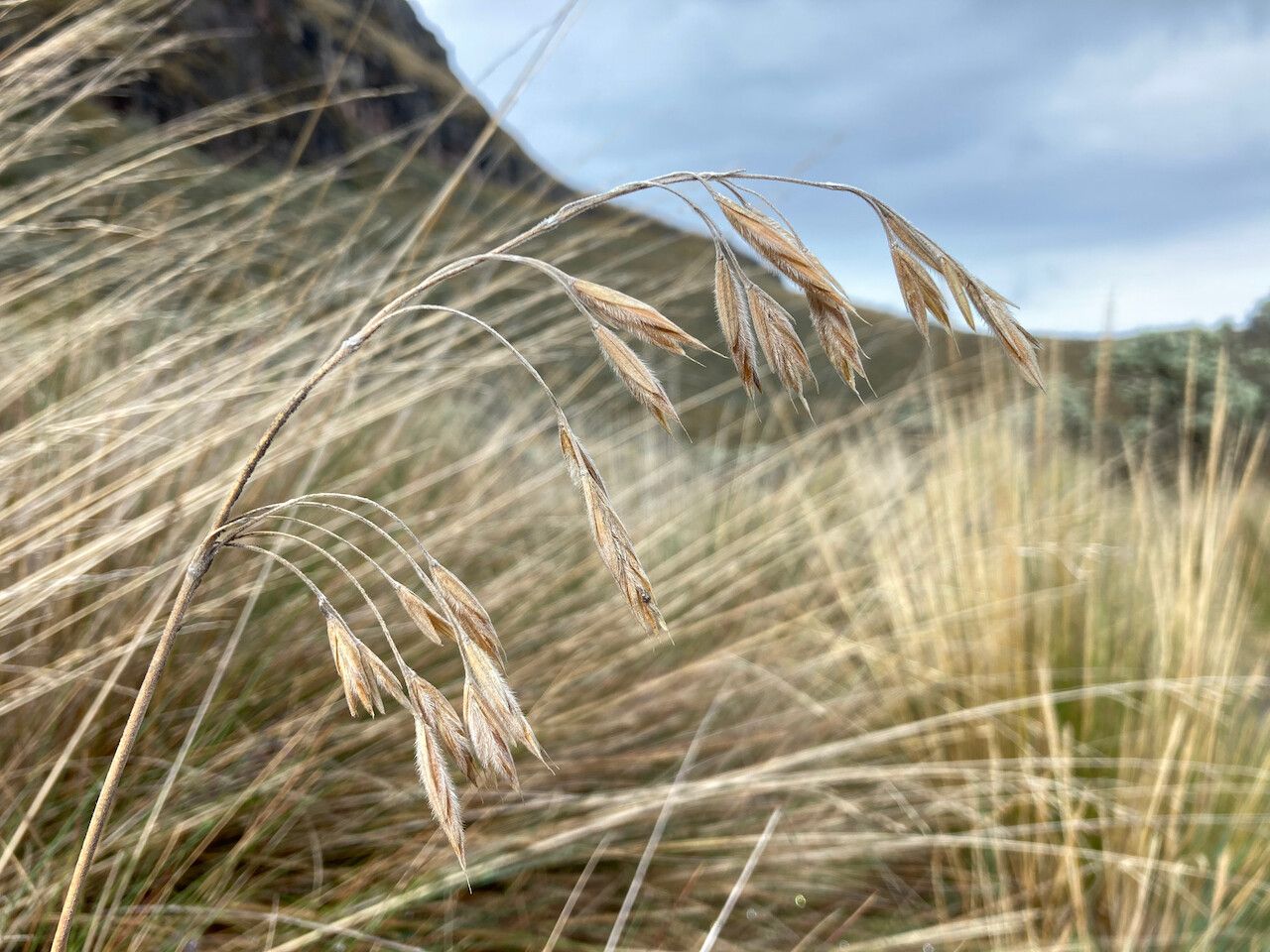
Spreading the Soft Cheat: A Guide to Propagating Bromus Lanatus
Bromus lanatus, more commonly known as Soft Cheat or Woolly Brome, might sound like the villain in a fairytale, but this widespread grass has a surprising versatility. While often considered a pasture grass, its soft, fuzzy seed heads make it an attractive addition to dried floral arrangements and a valuable component in erosion control. Whether you’re a farmer, a florist, or just a fan of fluffy grasses, understanding how to propagate Bromus lanatus can be surprisingly useful.
Two Routes to a Field of Fluffy Seed Heads
Bromus lanatus can be propagated in two main ways:
Seed: The most common and easiest method is by seed. Mother Nature excels at this, scattering seeds far and wide on the wind. But for more controlled propagation follow these steps:
- Collection: Collect ripe seeds from late spring to early summer. How do you know they’re ready? Gently shake a seed head. If the seeds readily fall off, it’s harvest time!
- Sowing: Bromus lanatus seeds germinate best with direct sunlight, so sow them directly onto bare, lightly raked soil in the fall or early spring.
- Depth: Aim for a shallow planting depth of about 1/4 inch.
- Watering: While Bromus lanatus is relatively drought-tolerant once established, the seeds need consistent moisture to germinate. Keep the soil lightly moist but not waterlogged.
Division: For established clumps, division is another option, best done in early spring or fall. Here’s how:
- Digging: Carefully dig around the clump, ensuring you get as much of the root system as possible.
- Separating: Divide the clump into smaller sections, each with a good amount of roots and shoots.
- Replanting: Replant the divisions at the same depth they were originally growing, spacing them about 12-18 inches apart. Water them in well.
Tips for Success:
- Timing is Key: Fall or early spring sowing takes advantage of natural rainfall and cooler temperatures, ideal for germination.
- Sun Seeker: Bromus lanatus thrives in full sun. Choose a sunny location for your seeds or divisions.
- Well-Drained Soil is a Must: While it tolerates a range of soil conditions, good drainage is essential to prevent root rot.
- Patience is a Virtue: Bromus lanatus can take some time to establish. Don’t be discouraged if you don’t see results immediately.
From Pasture to Bouquet:
Once considered primarily a forage grass, Bromus lanatus is increasingly recognized for its ornamental value. Its feathery seed heads add a touch of whimsy and texture to dried flower arrangements, wreaths, and even home decor projects. The seeds themselves can also be used in crafts, adding a natural element to your creations.
So, whether you are looking to enhance your pasture, control erosion, or add a touch of natural beauty to your home, propagating Bromus lanatus is a rewarding endeavor. With a bit of knowledge and a dash of patience, you can successfully cultivate this versatile and surprisingly charming grass.