
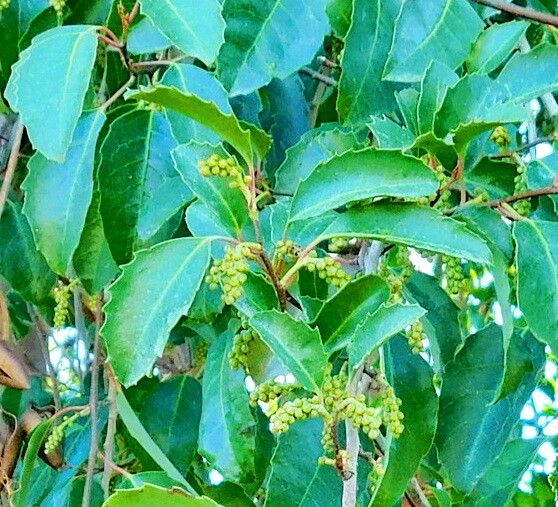
Unleash the Magic of the “Golden Shower Tree”: Propagating Your Own Azara petiolaris
The Azara petiolaris, affectionately nicknamed the “Golden Shower Tree” for its vibrant, golden blooms, is a true beauty. Its delicate, fragrant flowers that blanket the plant in early spring are a sight to behold. But did you know you can share this beauty with others – and even expand your own garden – by propagating your own Azara petiolaris?
While this plant can be purchased, the joy of cultivating your own is unparalleled. Propagation, the art of creating new plants from existing ones, allows you to multiply your collection, share with friends, and even create a thriving hedge or standalone statement piece.
Here’s a breakdown of the most commonly used methods for propagating Azara petiolaris:
- Timing: The perfect time for taking softwood cuttings is during the spring and early summer when the new growth is soft and pliable.
- The Process:
- Select healthy, non-flowering stems with new growth.
- Cut the stems just below a leaf node, ensuring your cutting is about 4-6 inches long.
- Remove the lower leaves and any buds on the bottom inch of the stem.
- Dip the cut end of the stem in rooting hormone.
- Insert the cutting into a pot filled with well-draining potting mix.
- Place the pot in a warm, bright location but out of direct sunlight.
- Keep the soil consistently moist but not waterlogged.
- Root formation can take up to 8 weeks.
2. Semi-Hardwood Cuttings:
- Timing: Semi-hardwood cuttings, taken from the slightly hardened new growth, are typically harvested in late summer or early fall.
- The Process: The process is very similar to softwood cuttings, except you’ll use slightly more mature growth.
- Select stems from the current year’s growth that have begun to harden.
- Follow the same steps as for softwood cuttings, including dipping them in rooting hormone before planting.
- Tip: Mist the cuttings regularly to maintain humidity levels.
3. Layering:
- Timing: Layering can be done throughout the growing season.
- The Process:
- Select a low-lying branch and carefully bend it to the ground.
- Make a shallow cut (about 1/3 through the stem) on the underside of a branch.
- Place a rock or a small piece of wood over the cut to hold the branch in place.
- Cover the cut area with soil, leaving about half of the branch above ground.
- Allow the branch to root before separating it from the parent plant.
4. Seed Propagation:
- Timing: Azara petiolaris seeds can be sown in late winter or early spring.
- The Process:
- Sow the seeds in seed trays filled with a light, free-draining seed starting mix.
- Water the seeds thoroughly and keep them warm in a bright location.
- Germination can take several weeks, so patience is key!
A Few Final Tips for Success:
- Choose the right mix: For cuttings, use a well draining potting mix that promotes root development.
- Provide constant moisture: Water cuttings regularly but avoid overwatering. A well-draining medium is vital to prevent root rot.
- Offer humidity: Place the cuttings in a humid environment, such as a plastic dome or propagator. Mist the cuttings regularly to maintain humidity.
- Patience is key: All propagation methods take time. Be patient and give your cuttings ample time to establish roots.
Now that’s not so complicated, right? Whether you choose softwood cuttings, semi-hardwood cuttings, layering, or seed propagation, you’ll soon be reveling in the golden beauty of your own Azara petiolaris. Happy propagating!