
Spreading the Beauty: How to Propagate the Adorable Sphaeralcea parvifolia
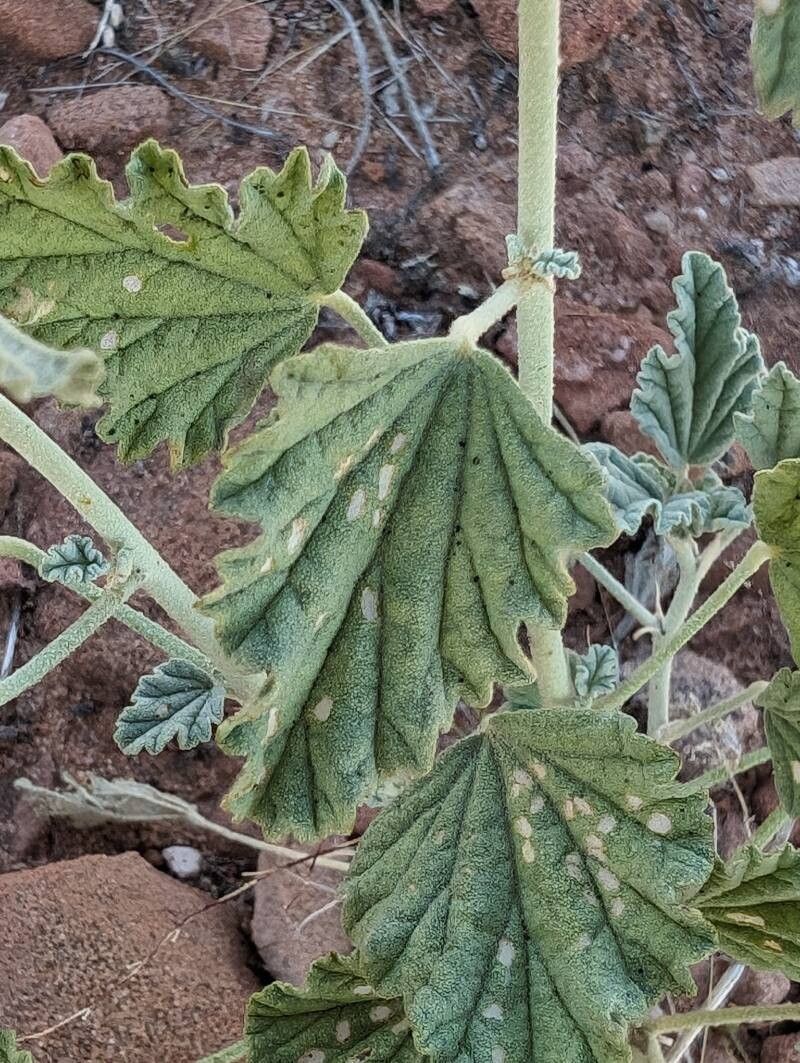
Have you fallen in love with the delicate blooms and soft, fuzzy foliage of the Sphaeralcea parvifolia, also known as the Globemallow? This charming native plant, with its cheerful orange or yellow flowers, can add a splash of color and texture to any garden. Luckily, it’s also incredibly easy to propagate, allowing you to share the beauty with friends, create more plants for your own garden, or simply enjoy the satisfaction of growing something from scratch.
There are two main methods for propagating Sphaeralcea parvifolia: seeds and cuttings. Both are remarkably simple and offer unique avenues for expanding your globemallow collection.
From Seed: A New Generation of Globemallows
Starting your Sphaeralcea parvifolia from seed is like witnessing the plant’s life cycle unfold. Here’s how you can nurture these tiny miracles:
- Collect or purchase seeds: If you already have an established Globemallow, collecting the seeds is as easy as waiting for the seed pods to dry and then carefully extracting the seeds. Alternatively, plenty of reputable seed suppliers offer Sphaeralcea parvifolia seeds.
- Direct sowing: Once your soil has warmed up in spring, you can sow the seeds directly outdoors. Lightly scratch the surface of the soil, drop in the seeds, and cover them with a thin layer of soil. Keep the soil consistently moist and watch for germination within a few weeks.
- Starting indoors: For a head start, you can sow the seeds indoors in seed trays or pots filled with seed starting mix. Keep the trays in a warm, sunny location, and mist them regularly to maintain consistent moisture. Once seedlings emerge, thin them out to allow for proper growth.
From Cuttings: Quick and Easy Clones
For those who crave the beauty of Globemallow without the wait, cuttings provide a fast and efficient method of propagation.
- Take cuttings: In late spring or early summer, choose healthy, non-flowering stems. With a clean pair of pruning shears, cut a 4-6 inch section from the tip of the stem, removing the bottom leaves.
- Dip in rooting hormone: To encourage root development, dip the cut end of the stem in rooting hormone. This step isn’t essential, but it can speed up the process.
- Pot the cuttings: Plant the cuttings in a pot filled with a well-draining potting mix, ensuring that at least an inch of the stem remains buried. You can cover the pot with a clear plastic bag or a dome to create a humid environment.
- Maintain moisture and patience: Keep the soil moist but not soggy. Place the cuttings in a bright location but out of direct sunlight. Within a few weeks, you should see signs of new growth, indicating that roots are forming.
Tips for Success:
- Ideal soil: Sphaeralcea parvifolia thrives in well-draining, sandy soil. Avoid planting in heavy clay soils, which can lead to waterlogging and root rot.
- Sunlight: Globemallows favor full sun to partial shade, ensuring they receive at least six hours of sunlight daily. This helps them achieve their best growth and flowering potential.
- Watering: While they prefer moist soil, Sphaeralcea parvifolia can tolerate some drought. Be careful not to overwater, as this can lead to root problems.
Sharing the Joy:
With their ease of propagation, you won’t be able to resist sharing these beautiful plants. You can give cuttings to friends and family, start a new patch in your garden, or even offer them for sale at local plant markets!
So, whether you’re a seasoned gardener or just starting out, exploring the world of plant propagation with Sphaeralcea parvifolia is a fun and rewarding experience. Enjoy the journey of turning tiny seeds and cuttings into vibrant, flowering plants that will brighten your garden for years to come.