
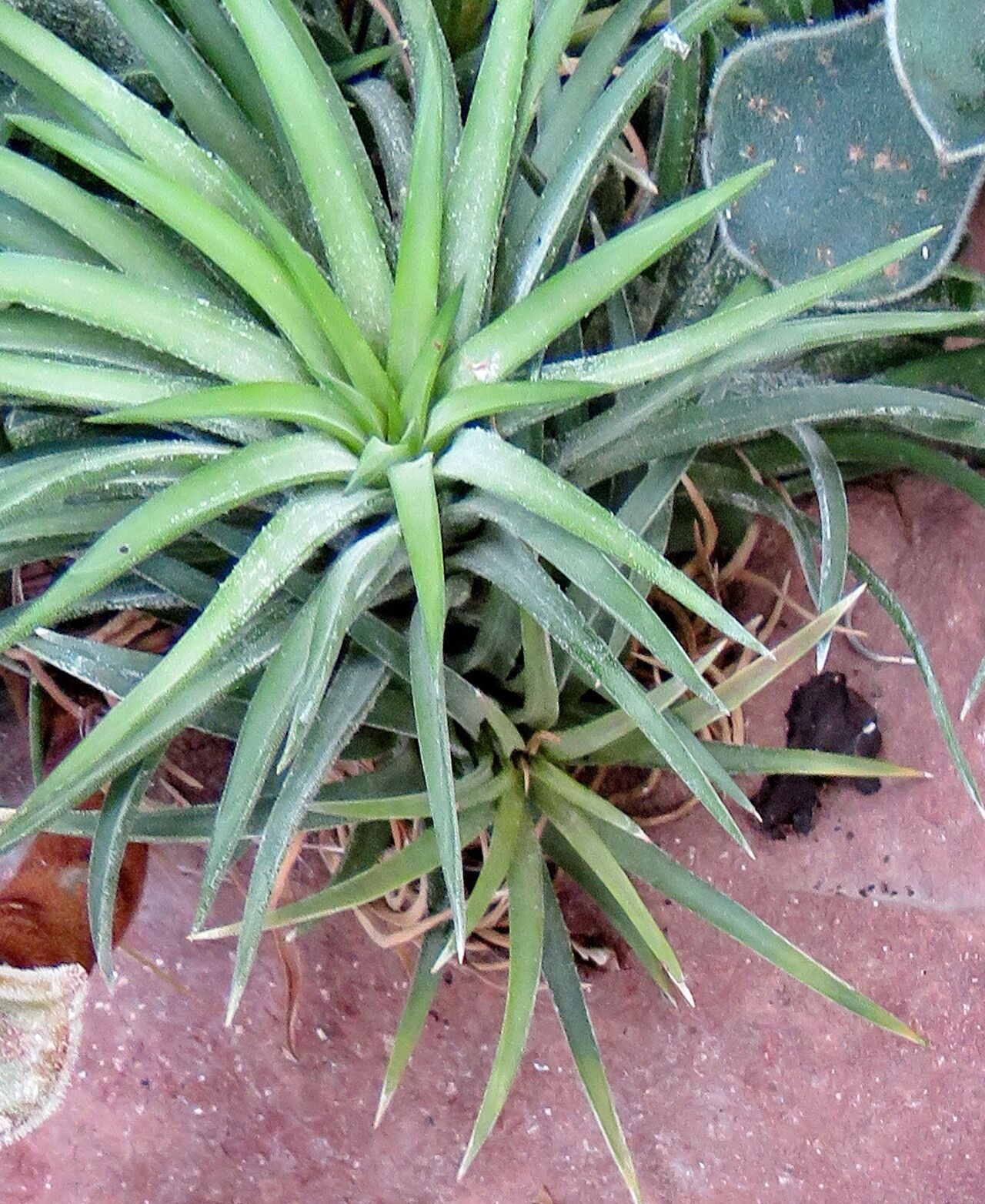
Air Plant Babies: How to Propagate Tillandsia Brachycaulos
The Tillandsia brachycaulos, also known as the “Sky Plant” or “Pink Quill,” is a captivating air plant with vibrant pink bracts that add a touch of whimsy to any space. But what if you could create a whole army of these miniature, colorful wonders? That’s where propagation comes in!
While air plants don’t traditionally sprout from seeds, they can reproduce asexually through a process called “pupping.”
What is Pupping?
Pupping is essentially the air plant’s way of cloning itself. New shoots, called pups, grow from the base of the parent plant. These pups are essentially miniature versions of the parent and will eventually develop their own root system, ready to start an independent life.
How to Propagate Tillandsia Brachycaulos
The joy of propagating Tillandsia brachycaulos lies in its simplicity. Here’s a step-by-step guide:
Patience is Key: Be patient! Pupping can take anywhere from a few months to a year, depending on the plant’s health and environment.
Spot the Pups: As the parent plant matures, you’ll notice tiny offshoots emerging from its base. These are the pups. Initially, they will be small, resembling miniature versions of the parent plant.
Wait for Separation: Keep an eye on the pups. Once they develop their own noticeable root system (usually around 1/3 the size of the parent), they are ready to be separated.
Time for the Cut: Using a sharp, sterile knife, cut the pup away from the parent plant as close to its base as possible.
Let it Heal: Allow the cut end of both the pup and parent to dry for a few days. This helps prevent rot.
New Home: You can mount the pup on a piece of driftwood, cork bark, or simply place it in a decorative bowl or on a rock.
- Care for the Pup: Continue to provide the pup with the same care as the parent plant. This includes regular misting or soaking and bright indirect light.
Tips for Successful Propagation:
- Healthy Parent Plant: A healthy parent plant is more likely to produce pups. Ensure it receives enough light and moisture.
- Optimal Environment: Warm temperatures and high humidity encourage pupping. Consider creating a humid environment with a pebble tray or by misting regularly.
- Patience is Virtue: It takes time for the pups to develop roots and become independent. Don’t rush the process!
Benefits of Air Plant Propagation:
- Free Plants: Propagating your own air plants is a cost-effective way to expand your collection.
- Unique Plants: Each pup is a clone of the parent plant, but subtle variations in growth patterns can make each one unique.
- Sense of Achievement: Watching your pups grow and thrive is a rewarding experience for any plant enthusiast.
Propagating Tillandsia brachycaulos is an easy and fun way to expand your air plant collection. With a little patience and care, you can soon be surrounded by a vibrant army of these fascinating and beautiful plants.