
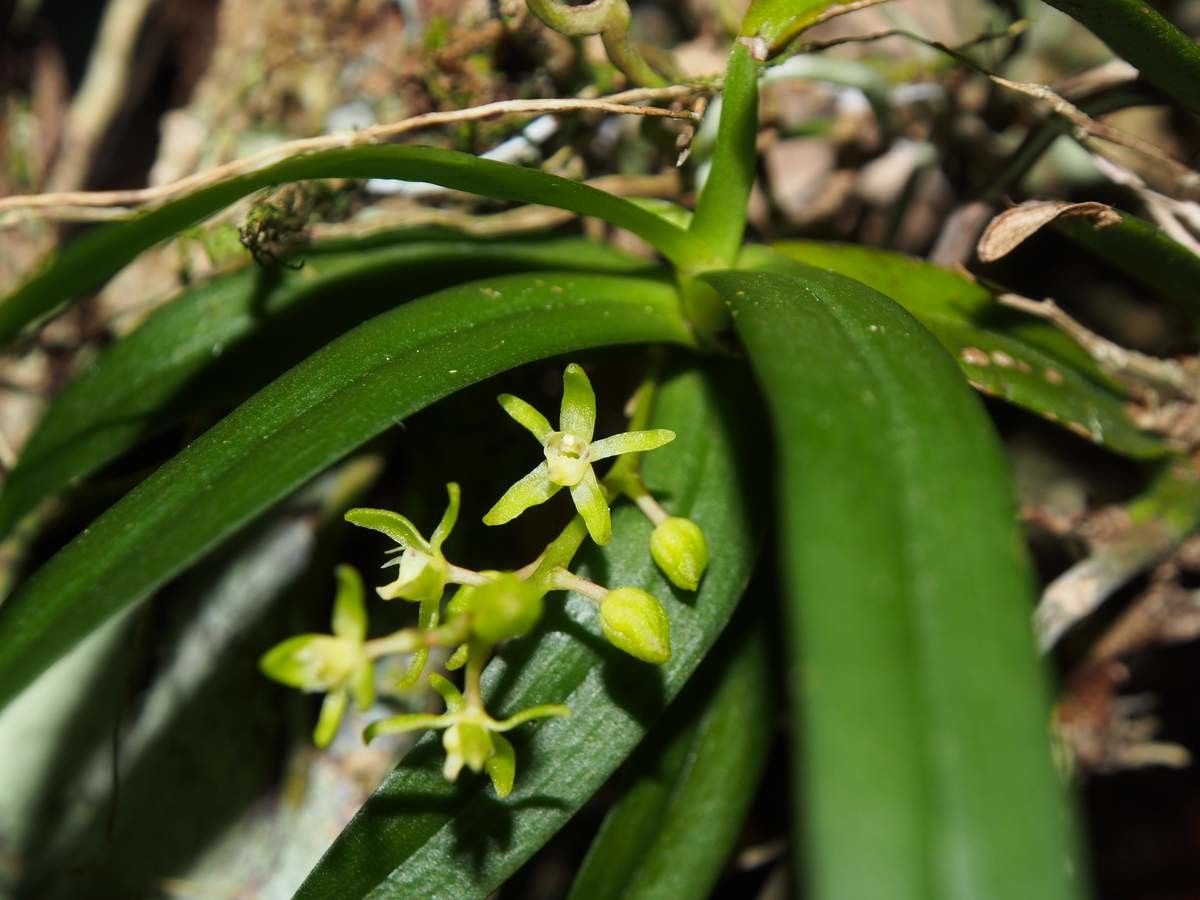
From One to Many: Propagating Your Gunnera Begaudii Like a Pro
The Gunnera begaudii, often called the giant rhubarb or Chilean rhubarb, is a truly captivating plant. Its enormous leaves, reaching up to 6 feet wide, make a statement in any garden. But what if you want to share its awe-inspiring presence? There’s good news: propagating Gunnera begaudii isn’t as daunting as you might think. This guide will walk you through the most popular methods, helping you turn one magnificent plant into a thriving colony.
Understanding the Basics
Gunnera begaudii, like most plants, can be propagated through both sexual and asexual methods. Seed propagation, while possible, is a slow and unpredictable process. Asexual propagation, on the other hand, offers faster results and guarantees that new plants will be identical to the parent plant. This is achieved by taking cuttings from existing plants that have already proven their vigor and characteristics.
Methods for Asexual Propagation
Let’s dive into the most successful methods for propagating your Gunnera begaudii:
Division: This is the most common and reliable method. In spring, when the plant is just starting to emerge, carefully dig up the clump and separate it into smaller divisions. Each division should have at least three healthy growth points. Replant the divisions in prepared beds with good drainage.
Root Cuttings: While this method is less used, it’s effective for those looking to maximize their propagation efforts. In autumn or early winter, when the plant is dormant, carefully dig up the root ball and cut out healthy pieces about 4 inches long. Plant these cuttings horizontally in a well-drained medium, ensuring that the cut ends are facing upwards. Keep the soil consistently moist and lightly shaded until roots develop.
- Leaf Cuttings: This method is less common and can take longer, but it’s possible. In early spring, when new growth emerges, take cuttings from the basal leaves, ensuring each cutting has a portion of the petiole (leaf stalk) attached. Insert these cuttings into a moist, well-draining medium, and maintain consistent moisture and humidity.
Tips for Success
Timing is Key: Timing influences the success of propagation. Spring and early summer are ideal times for division and leaf cuttings, while late autumn or early winter is best for root cuttings.
Prepare the Soil: Gunnera begaudii thrives in rich, moist, and well-drained soil. Incorporate compost or manure into your planting bed to improve fertility.
Watering and Light: Keep the freshly planted divisions or cuttings consistently moist, but avoid overwatering. Bright, indirect light is best for optimal growth, but ensure the plants receive some shade during the hottest part of the day.
- Patience is Essential: Remember, propagating your Gunnera begaudii is a process that takes time. Don’t be discouraged if you don’t see immediate results. Be patient, nurture your new plants, and they will eventually reward you with their impressive growth.
Conclusion
Propagating your Gunnera begaudii is a rewarding experience. Whether you choose division, root cuttings, or leaf cuttings, these techniques can help you expand your garden with this magnificent plant. With a little patience, care, and the right knowledge, you’ll be able to enjoy the stunning beauty of your Gunnera begaudii for years to come.