
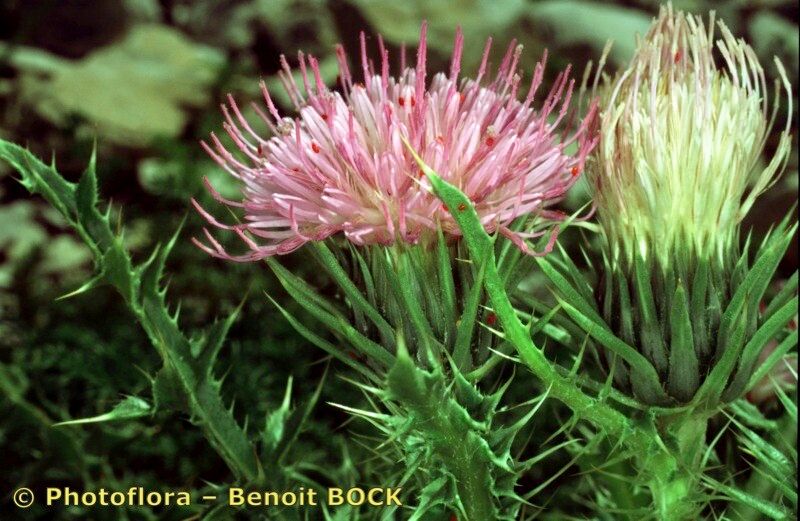
Conquering the Thistle: How to Propagate Carduus aurosicus (Golden Thistle)
The Carduus aurosicus, commonly known as the Golden Thistle, is a striking and majestic plant, often admired for its vibrant golden blooms and imposing silhouette. But don’t let its majestic appearance fool you – this species is known to be a vigorous grower and can quickly spread. If you’re considering adding this thistle to your garden, understanding its propagation is key to keeping it under control.
Methods of Propagation:
The Golden Thistle can be propagated primarily through two methods:
- Seeds: The most common way to propagate Carduus aurosicus is via seeds. This method can be done both indoors and outdoors. In the spring, you can directly sow seeds in well-drained soil, ensuring the location receives full sunlight. Alternatively, start seeds indoors in seedling trays about 6-8 weeks before the last expected frost. Germination typically takes 1-4 weeks.
Key Tips for Seed Propagation:
- Soil Preparation: Use a well-draining soil mix and ensure the seeds are planted at the proper depth, generally ¼ inch deep.
- Sunlight: Provide plenty of sunlight, as the seeds need it to germinate and grow.
Water: Water consistently, keeping the soil moist but not waterlogged.
- Division: This method is suitable for established plants and involves carefully splitting the root ball into smaller sections, each containing a healthy root system and growth points. This can be done in early spring or fall.
Key Tips for Division Propagation:
- Choose the Right Time: Early spring or fall is the ideal time for division, when the plant is actively growing.
- Preparation: Use a sharp trowel to carefully separate the root ball. Aim for sections with multiple shoot buds and a strong root system.
- Replant and Water: Replant the divided sections in a new location, ensuring they receive adequate sunlight and moisture.
Preventing Overgrowth:
While captivating, the Golden Thistle can quickly spread if left unchecked. Here are some essential tips to manage its growth:
- Strategic Planting: Select a location that allows enough space for the plant to grow without encroaching on other plants. A container garden is also a good option to keep it in check.
- Deadheading: Regularly remove the spent flower heads before they can produce seeds. This helps prevent unwanted self-seeding.
- Monitor and Control: Stay vigilant and promptly remove any unwanted seedlings.
Beyond the Garden:
The Golden Thistle is not only a beautiful addition to your garden but also provides sustenance for pollinators like bees and butterflies. It’s a valuable source of nectar and pollen, contributing to the biodiversity of your ecosystem.
Consider this:
Although the Golden Thistle is relatively easy to propagate, it is crucial to remember its vigorous growth habit. Before planting, be sure to research your local climate and consider the plant’s potential impact on your garden and surrounding environment.
By understanding the propagation methods and potential for growth, you can enjoy the majestic beauty of the Carduus aurosicus while maintaining a balanced and thriving garden.