
Unleash the Beauty of Agalinis oligophylla: A Guide to Propagation Success
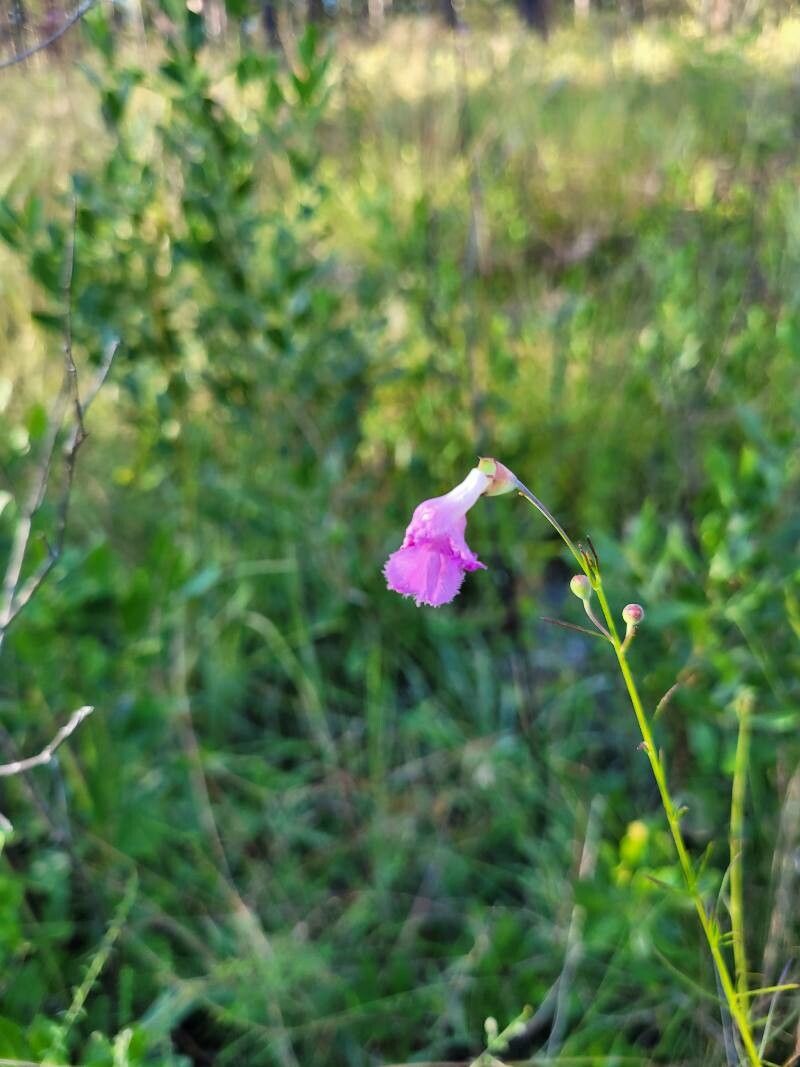
Agalinis oligophylla, also known as the slender false foxglove, is a captivating native wildflower that boasts vibrant pink blooms and a delicate, slender form. Its beauty isn’t limited to the garden, either – it attracts beneficial pollinators like butterflies and bees, making it a valuable addition to any nature-loving landscape.
But beyond its aesthetic appeal lies a secret – the ease with which this enchanting flower can be propagated. Whether you’re seeking to expand your own collection or share its beauty with others, mastering the art of propagation is the key.
Unlocking the Secrets of Agalinis oligophylla Propagation
Agalinis oligophylla, just like many other wildflower species, can be propagated through both seeds and cuttings. Each method offers its own unique advantages, allowing you to tailor your propagation strategy based on your resources and goals.
1. Propagation Through Seeds: A Journey of Patience
- Harvesting Seeds: The beauty of Agalinis oligophylla is its self-seeding nature. As the blooms fade, they leave behind small seed capsules. Harvest these capsules when they are brown and dry, and store them in a cool, dry location until ready for sowing.
- Sowing Seeds: Sow the seeds directly into your garden bed in the early spring or fall. Planting depth should be shallow, just lightly covering them with soil. Regular watering is key, especially during the germination phase.
- Timing is Key: Direct seeding in the fall allows for natural stratification (exposure to cold temperatures), aiding in germination. Spring sowing often requires a greenhouse setting with slightly warmer temperatures to stimulate growth.
2. Propagation Through Cuttings: A Quick and Easy Approach
- Taking Cuttings: Cuttings are best taken during the spring or early summer when the plant is actively growing. Select healthy, non-flowering stems approximately 4-6 inches long.
- Preparing the Cuttings: Remove the lower leaves and dip the cut end in rooting hormone. This boosts rooting success and helps prevent fungal diseases.
- Planting Cuttings: Position the cuttings in moist, well-draining potting mix. Use a small container or a seed tray to ensure optimal moisture retention. A humidity dome can further increase rooting success.
Tips for Successful Propagation
- Light Requirements: Agalinis oligophylla thrives in full sun. Ensure your containers or planting location receive sufficient sunlight for optimal growth.
- Water Wisely: Consistent moisture is critical during the early stages of propagation. Avoid overwatering, as it can lead to root rot.
- Patience is Key: Seeds may take several weeks to germinate, while cuttings can take a few months before showing significant root growth. Patience is vital throughout the propagation process.
Enhancing Your Agalinis oligophylla Collection
Once you’ve successfully propagated your Agalinis oligophylla, consider how to showcase its beauty. It makes a stunning companion plant for butterfly gardens and meadows. Its graceful structure contrasts beautifully with bolder blooms, adding a touch of airy elegance to any landscape.
Beyond the Garden: Conservation and the Future of Agalinis oligophylla
While Agalinis oligophylla remains relatively common, its long-term survival is influenced by factors like habitat loss and climate change. Propagating this native plant not only enhances your own garden but plays a vital role in its conservation. By sharing its beauty and knowledge of its propagation, we can ensure that future generations can appreciate the exquisite charm of this unique wildflower.