
Spreading the Sunshine: How to Propagate Thaspium barbinode
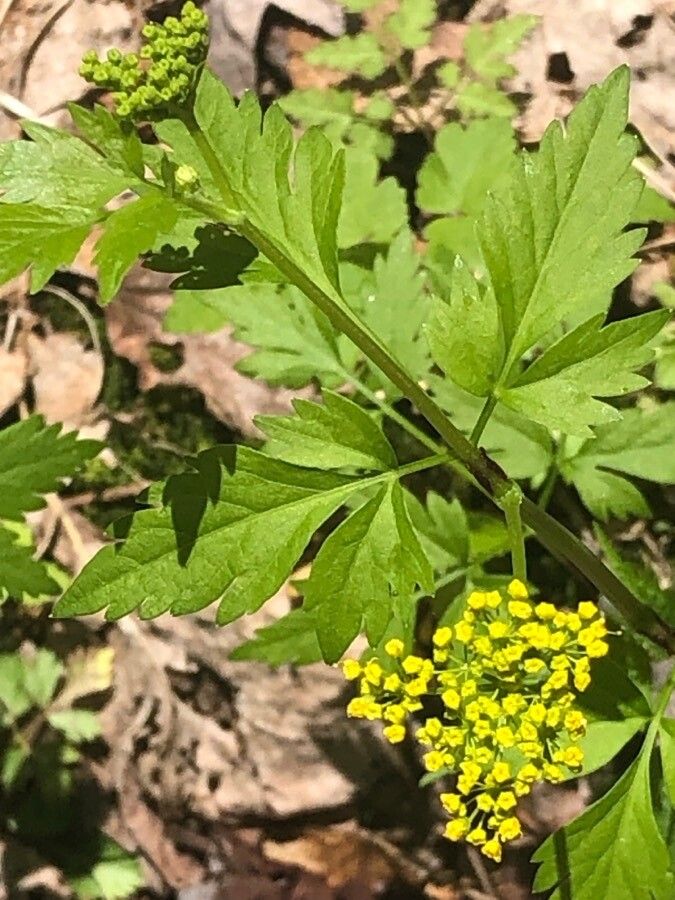
Thaspium barbinode, with its cheerful yellow blooms and delicate, fern-like foliage, is a beautiful addition to any garden. But did you know that this charming native wildflower is also surprisingly easy to propagate?
Growing more Thaspium barbinode from seed or division not only allows you to expand your own garden but also helps ensure the survival of this lovely species. So, let’s dive into the world of Thaspium propagation, revealing the secrets to success!
From Seed to Bloom:
- Starting Seeds: The best time to sow Thaspium barbinode seeds is in the early spring. Direct sowing in the garden is often preferred, as they prefer a cool, moist environment. Choose a spot with dappled shade and well-drained soil.
- Germination: Be patient! Thaspium seeds can be slow to germinate, sometimes taking several weeks. Keep the soil consistently moist but not waterlogged.
- Thinning: Once seedlings emerge, thin them to allow for proper spacing, giving them room to grow strong and healthy.
Division Power:
- Timing is Key: The ideal time to divide Thaspium barbinode is in the early spring, just as new growth emerges. Avoid dividing during hot, dry periods.
- Preparation: Use a sharp, clean shovel or garden knife to carefully divide the clump into sections. Each section should have a healthy root system and several growing points.
- Planting: Plant the divisions in prepared beds with well-drained soil and dappled shade. Ensure the soil is moist and water regularly during establishment.
Tips for Success:
- Choose the Right Location: Thaspium barbinode prefers dappled shade and well-drained soil. Avoid planting in heavy clay soils or areas with full sun exposure.
- Watering Wisely: Keep the soil consistently moist but not soggy. Allow the top inch of soil to dry between waterings.
- Mulch for Moisture: A layer of organic mulch around the plants will help retain moisture, suppress weeds, and regulate soil temperature.
- Pest and Disease: Thaspium barbinode is generally resistant to pests and diseases. However, watch out for slugs and snails, which might occasionally enjoy a nibble.
- Embrace the Wildness: Thaspium barbinode is a naturalized plant that thrives in a wildflower garden setting. Allow it to spread naturally for a truly charming and carefree look.
Benefits of Propagation:
- Increased Abundance: Growing more Thaspium barbinode will create a beautiful and impactful display in your garden.
- Cost-Effective: Propagation allows you to expand your garden without spending a lot of money on new plants.
- Conservation: By sharing Thaspium barbinode plants with friends, family, and neighbors, you can help spread this lovely wildflower and ensure its presence in our landscapes.
So, why not embark on your own Thaspium barbinode propagation journey? With a little patience and care, you can easily multiply this delightful plant and fill your garden with its cheerful beauty.