
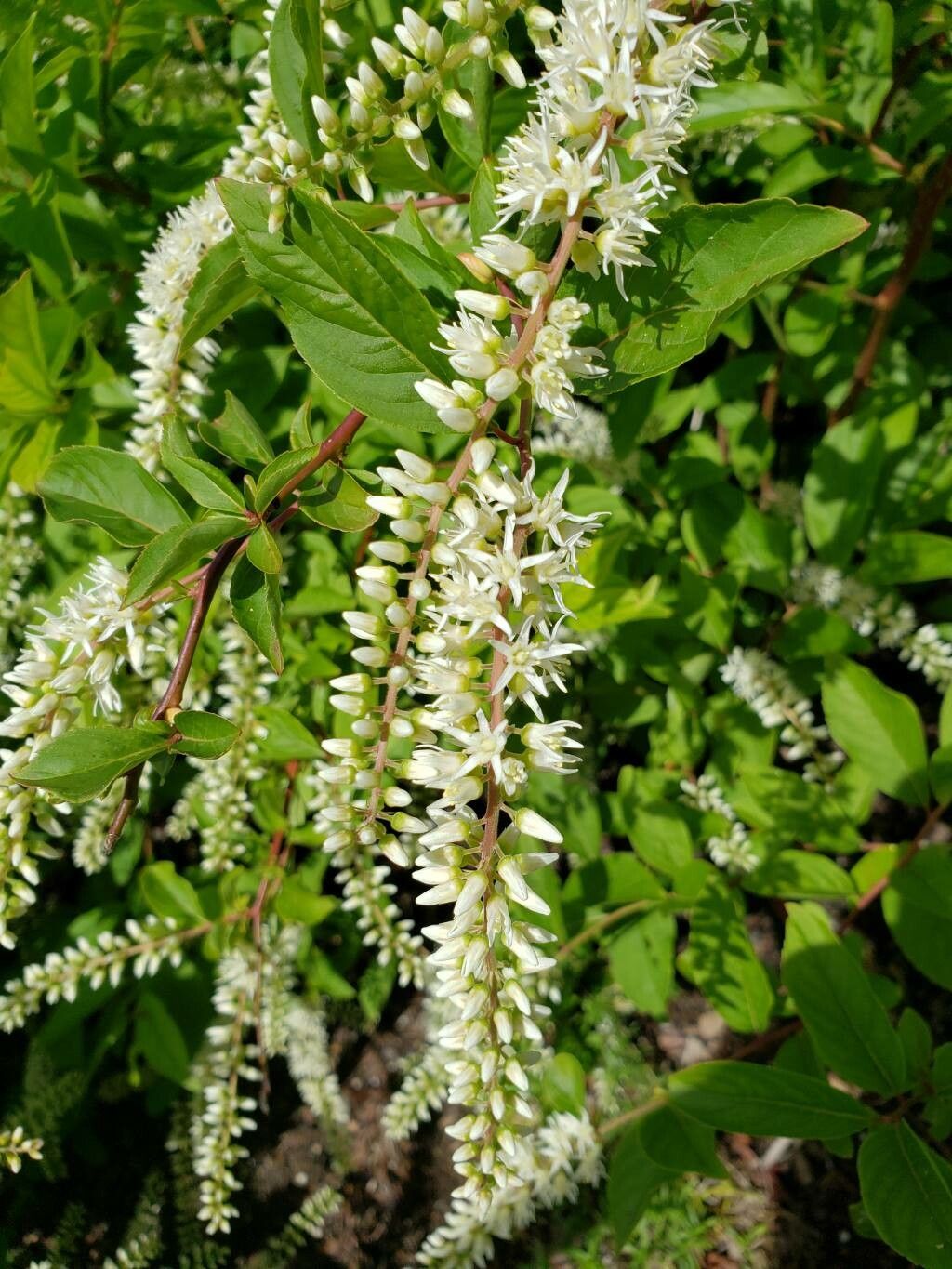
From One to Many: The Easy Way to Grow More Virginia Sweetspire
The stunning Virginia Sweetspire (Itea virginica) is a beloved native shrub for its delicate white blooms and vibrant fall foliage. But with its alluring beauty comes a natural desire to share its magic. Luckily, this plant is a prime candidate for propagation, allowing you to easily create new plants from cuttings.
Let’s explore the most successful methods for propagating Virginia Sweetspire, so you can enjoy its charm throughout your garden and even share it with friends.
Taking Softwood Cuttings
The most common and effective way to propagate Virginia Sweetspire is through softwood cuttings. This method utilizes young, tender stems – think “flexible, almost green” – which are more likely to root readily. Here’s the process:
- Timing is Key: The best time to take softwood cuttings is in the spring or early summer when the new growth is actively growing, but still flexible.
- Select the Right Cuttings: Choose healthy, vigorous stems that are about 4-6 inches long.
- Prepare the Cuttings: Make a clean cut with a sharp knife or shears just below a node (where leaves grow from the stem). Remove the lower leaves and pinch the top leaves to reduce moisture loss.
- Dip in Rooting Hormone: Optionally, dip the base of the cutting in rooting hormone to encourage quicker root growth.
- Plant the Cuttings: Use a well-draining potting mix and plant the cuttings in pots or a propagation tray, ensuring each cutting is buried up to the node where you removed the leaves.
- Keep it Humid: Cover the cutting container with a plastic dome or bag to create a humid environment, which promotes root development.
- Place in Indirect Light: Position the cuttings in a spot with bright, indirect light and avoid direct sunlight.
- Patience is Key: Rooting usually takes 4-6 weeks. Be patient, and ensure the potting mix stays evenly moist.
Layering
Layering is another effective way to propagate Virginia Sweetspire, allowing you to create a new plant directly from the existing one. Here’s how it works:
- Choose a Stem: Select a flexible, healthy stem growing near the base of the parent plant.
- Bend and Bury: Gently bend the stem down and bury a portion of it in the soil. Secure the stem in place with a rock or wire.
- Create a Wound: For quicker results, you can make a small wound (scratch) on the buried stem to encourage root formation.
- Keep Moist: Water the area frequently to keep the soil moist.
- Patience Pays Off: The stem will typically root in a few months. To check for roots, gently tug on the stem – if it offers resistance, it’s rooted.
- Separate the New Plant: Once the rooted stem has grown a few leaves, you can carefully separate it from the parent plant and relocate it to a new spot.
Tips for Success:
- Use a Clean Knife: A clean knife or shears will prevent diseases from spreading.
- Use a Well-Draining Medium: Avoid soggy conditions by using well-draining potting mix.
- Maintain a Warm Environment: Virginia Sweetspire cuttings and layers thrive in a warm environment (around 70°F)
- Don’t Overwater: Allowing the soil to dry slightly between waterings is important for healthy root development.
Whether you opt for the classic softwood cutting method or a hands-on approach with layering, propagating Virginia Sweetspire offers a rewarding experience that will enhance your garden and provide you with ample opportunity to share its beauty. You’ll soon become a master propagator, turning one magnificent Virginia Sweetspire into a multitude of cherished plants!