
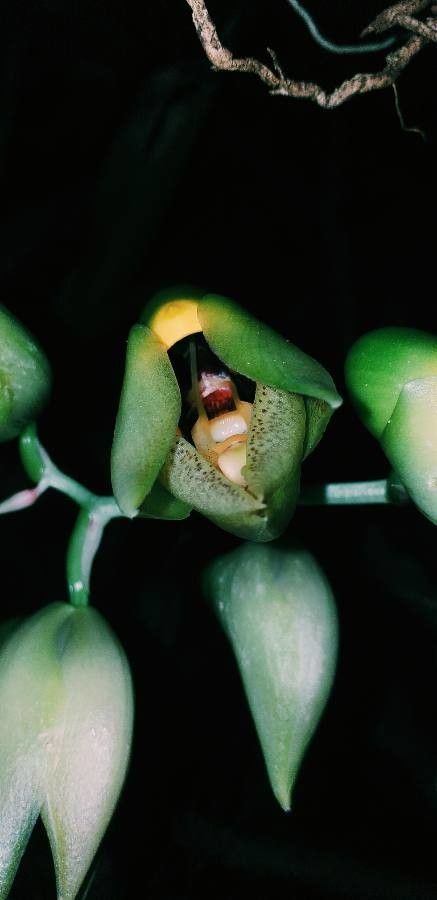
Orchids on the Move: Multiplying Your Catasetum macrocarpum
The Catasetum macrocarpum, with its striking, exotic flowers, is a prized possession for any orchid enthusiast. But what if you want more than just one of these beauties gracing your collection? That’s where propagation comes in – a fascinating and rewarding way to expand your orchid family.
Understanding the Basics:
Catasetum macrocarpum, like many orchids, can be propagated through a few different methods, each with its own pros and cons:
- Seed Propagation: This method is technically possible, but it’s incredibly challenging and time-consuming, rarely undertaken by home growers. Seeds require specialized conditions for germination and seedlings take years to reach flowering size.
- Keiki Propagation: This is the most popular method for Catasetum macrocarpum. “Keikis” are miniature plantlets that develop on the flower spike or sometimes the stem. They produce their own roots and leaves, making them perfect for transplanting.
- Division: This method involves separating a mature plant’s clumps (pseudobulbs) to form new individual plants. It’s not always successful as it can stress the plant, and often practiced only by experienced growers.
Keiki Propagation: The Beginner-Friendly Approach
For the majority of home orchid enthusiasts, keiki propagation is the way to go. Here’s a step-by-step guide:
- Identify a Keiki: Look for a tiny plant growing from the flower spike or stem with its own roots and leaves. It should be about the size of your fingertip or larger.
- Prepare the Keiki: If the keiki’s roots are long enough (around 2 inches), you can carefully separate it from the parent plant. If not, ensure it has a solid root system before proceeding.
- Potting Up: Choose a small pot with drainage holes and a well-draining potting mix specifically designed for orchids. Plant the keiki in the pot, ensuring the roots are spread evenly and not overcrowded.
- Care and Patience: Provide the new plant with bright, indirect light and humidity. Water regularly, allowing the potting mix to dry slightly between waterings. You’ll typically see new growth within a few weeks.
Key Considerations:
- Timing is Important: The best time to propagate Catasetum macrocarpum is generally after flowering, when the plant has finished its energy-intensive blooming phase.
- Don’t Force It: If a keiki doesn’t appear naturally, avoid trying to force it. Applying hormones to induce keiki growth is not recommended for this species.
- Temperature and Humidity: Catasetum macrocarpum thrives in warm, humid environments. Mimic these conditions when propagating keikis to ensure their success.
Grow Your Orchid Family:
Propagating your Catasetum macrocarpum is a rewarding process that allows you to share the beauty of this captivating orchid with others or simply expand your own collection. Enjoy the journey of nurturing these fascinating plants, and watch as your orchid family flourishes!