
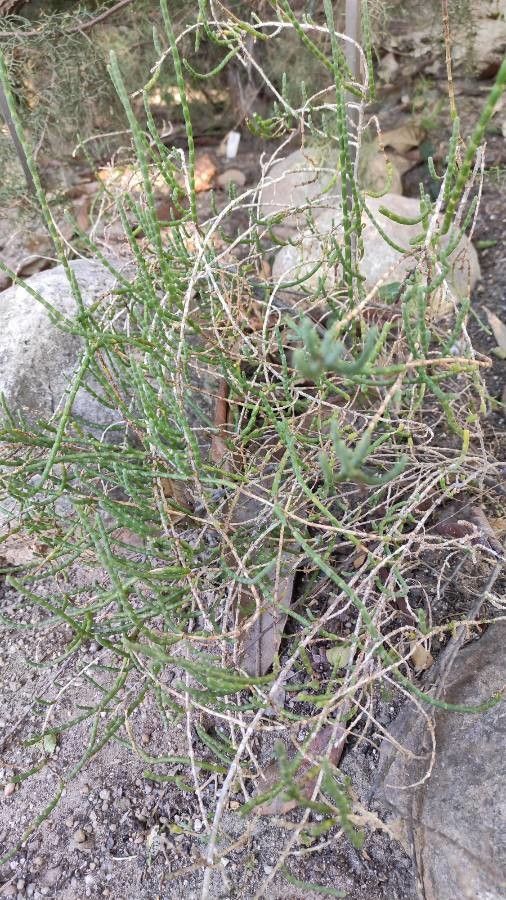
From Seeds to Success: The Art of Propagating Haloxylon salicornicum
Haloxylon salicornicum, also known as “Saltbush” or “Salt Cedar,” is an incredibly resilient plant celebrated for its ability to thrive in harsh, saline environments. But did you know you can easily bring this unique and fascinating plant into your own garden? While it might seem like a challenge, propagating Haloxylon salicornicum is actually achievable for anyone with a little bit of patience and the right techniques.
What Makes Haloxylon salicornicum So Special?
Beyond its impressive salt tolerance, Haloxylon salicornicum offers several captivating features:
- A Striking Appearance: This plant boasts a unique, succulent foliage that resembles miniature cactuses, earning it the nickname “Salt Cedar.” Its grey-green leaves provide visual interest and add a touch of the exotic to any landscape.
- Climate Resilience: Haloxylon salicornicum thrives in arid and semi-arid climates, making it an excellent choice for water-wise gardening. It can withstand prolonged periods of drought and scorching temperatures.
- Ecological Benefits: This plant plays a vital role in stabilizing soil and preventing erosion, particularly in vulnerable coastal regions.
Unlocking the Secrets of Propagation: Two Simple Methods
There are two primary methods for propagating Haloxylon salicornicum:
1. Seed Propagation
- Gathering Seeds: Collect ripe seed capsules from mature plants. They are typically found clustered at the tips of branches and have a distinctive brown, papery texture.
- Sowing: Sow seeds in a well-draining seed starting mix. You can either directly sow seeds outdoors in the desired location or indoors in seed trays.
- Germination Time: Haloxylon salicornicum seeds generally take 2-4 weeks to germinate, so be patient!
- Light and Temperature: Place seeds in a warm and sunny location. Ensure the soil remains moist but not waterlogged.
- Transplanting: Once seedlings are a few inches tall, you can transplant them into their permanent location. This is best done in the spring or fall.
2. Cuttings
- Preparing Cuttings: Take softwood cuttings from healthy stems. Aim for segments that are about 4-6 inches long and have at least a few nodes (where leaves emerge).
- Rooting Medium: Plant cuttings in a well-draining rooting medium, such as a mix of perlite and vermiculite.
- Misting: Mist the cuttings regularly to maintain humidity.
- Environment: Place the cuttings in a bright, indirect light location and maintain a warm temperature.
- Rooting Time: Haloxylon salicornicum cuttings can take several weeks to root.
Key Tips for Success
- Well-Drained Soil: Both seeds and cuttings thrive in a well-draining, sandy or rocky soil mix.
- Proper Watering: Water sparingly and only when the soil is dry to the touch. Allow the soil to dry out completely between waterings.
- Sunlight: Haloxylon salicornicum loves full sun, so make sure it is planted in a location where it receives at least 6 hours of sunlight daily.
- Fertilizer: While Haloxylon salicornicum doesn’t require constant fertilization, applying a balanced fertilizer once or twice a year can help boost growth.
From Tiny Seed to a Sturdy Plant
With a little care and attention, you can successfully propagate your own Haloxylon salicornicum plant. This remarkable species offers a unique aesthetic and resilience, making it a perfect addition to any arid or drought-tolerant garden. So, why not embark on your own propagation journey and experience the wonder of this fascinating succulent?