
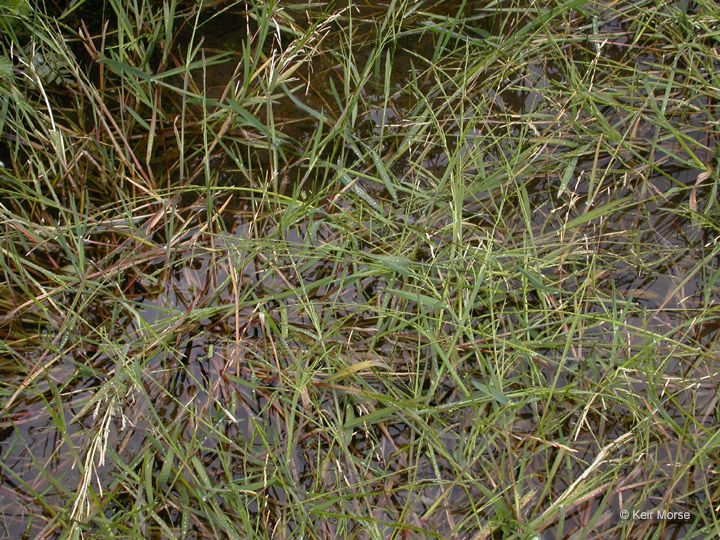
From Seed to Shoreline: How to Propagate the Graceful Glyceria leptostachya
Glyceria leptostachya, also known as “American reedgrass,” is a beautiful and versatile plant. It’s a common sight along shorelines, adding a graceful touch to ponds, streams, and even gardens. But did you know that growing your own Glyceria leptostachya from seed or division is surprisingly easy? This blog post will guide you through the process, turning you into a propagation pro!
Understanding Glyceria leptostachya
This plant thrives in moist environments and is known for its long, slender leaves that sway gracefully in the wind. Its delicate plumes of flowers add a touch of elegance during the summer months. Glyceria leptostachya is an excellent choice for creating a natural, elegant look in your landscape.
Method 1: Propagation from Seed
- Timing is Key: The best time to sow Glyceria leptostachya seeds is in the spring after the last frost.
- Preparing the Soil: Choose a location with moist, well-drained soil. The ideal pH range for this plant is between 6.0 and 7.5.
- Direct Sowing: Sow the seeds directly into the ground, about 1/4 inch deep and spaced 6-12 inches apart. Gently water the seeds and maintain consistent moisture.
- Germination: Glyceria leptostachya seeds typically germinate within 2-4 weeks.
- Thinning: Once the seedlings have established themselves, thin them out, leaving the strongest plants 12 inches apart.
- Water Regularly: This plant appreciates consistent moisture, especially during the establishment phase.
Method 2: Propagation by Division
- Best Time for Division: Spring is the ideal time to divide established Glyceria leptostachya plants.
- Prepare the New Location: Choose a spot that offers similar conditions to the original location – moist, well-drained soil.
- Divide the Plant: Carefully dig up the plant and separate the root ball, aiming for divisions that contain healthy roots and shoots.
- Plant the Divisions: Plant the divisions in their new location, ensuring the root ball is level with the soil surface. Water thoroughly.
Additional Tips for Success
- Fertilizer: Glyceria leptostachya is a light feeder and doesn’t require heavy fertilization.
- Pest and Disease: This plant is generally resistant to pests and diseases, but avoid overwatering, which can lead to fungal issues.
- Winter Care: In colder regions, the foliage will die back in the winter. Cut back the stems to the ground to ensure a clean aesthetic.
Enjoy the Rewards
Glyceria leptostachya is a low-maintenance and rewarding plant to grow. Its graceful foliage and delicate flowers add a touch of natural beauty to any landscape. Whether you choose the seed or division method, enjoy the satisfying experience of propagating this beautiful plant and watching it thrive in your garden or along your shoreline.