
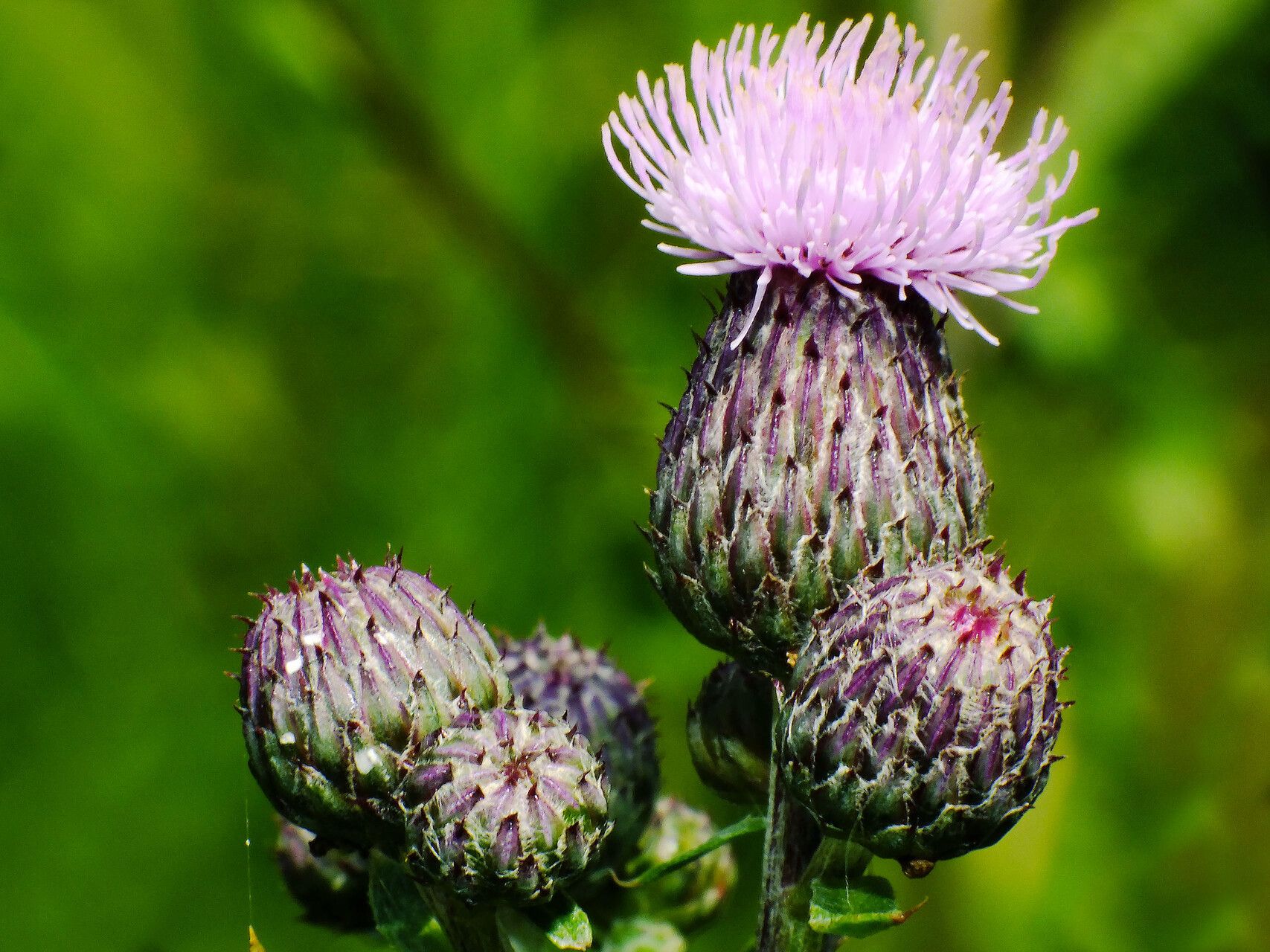
Taming the Thistle: How to Propagate (and Control) Cirsium arvense
Cirsium arvense, more commonly known as Canada Thistle, may conjure images of stubborn, thorny weeds that seem impossible to eradicate. While known for its invasive tendencies, the plant also possesses an incredible ability to regenerate and spread, making it both a challenge and a fascinating subject for plant enthusiasts.
Let’s delve into the multifaceted world of Canada thistle propagation and explore the secrets of its remarkable resilience, as well as potential strategies for its control.
The Thistle’s Toolkit: A Master of Reproduction
Cirsium arvense employs an array of methods to ensure its survival and propagation, making it a formidable force in any garden or field. Here’s a breakdown of its key strategies:
- Seeds: This weed produces an abundance of wind-dispersed seeds, which can travel long distances and remain viable in the soil for several years, waiting for the perfect conditions to germinate.
- Rhizomes: The plant features extensive underground root systems known as rhizomes. These creeping root structures can grow up to 10 feet deep and 12 feet wide, enabling them to spread rapidly and form large, interconnected colonies.
- Sprouts: Even if the above-ground portion of the plant is removed, new shoots can emerge from the rhizomes. This regenerative power makes it difficult to eliminate thistles permanently without addressing the root system.
Taking Control: Managing the Spread
While Canada thistle’s impressive propagation system presents challenges, there are several effective strategies to manage its growth:
- Manual Removal: Consistent hand-pulling can be effective, particularly for smaller infestations. Be sure to remove the entire root system, as even a small fragment can regenerate.
- Mowing: Regular mowing can help prevent seed production by snipping off the flower buds before they have a chance to develop. However, mowing alone may not address the rhizomes.
- Chemical Control: Herbicides specifically designed for thistle control can be an effective solution, but it’s vital to follow label instructions carefully and consider potential impacts on surrounding plants.
- Cover Crops: Certain cover crops like winter rye can suppress thistle growth by competing for resources and providing physical barriers.
- Organic Alternatives: Solarization (covering soil with clear plastic to heat it) and the use of mulches can also help reduce thistle populations.
A Shift in Perspective: Exploring the Value of Cirsium arvense
While Canada thistle is undeniably a nuisance in many situations, it also possesses some intriguing qualities. Its deep root system makes it valuable for soil stabilization, and its nectar attracts a variety of beneficial insects.
A Final Thought
Understanding the intricacies of Canada thistle’s propagation is key to effectively managing its presence. Whether seeking to eradicate it from your garden or appreciating its resilience as a force of nature, the insights gained through this exploration can foster a deeper understanding and appreciation for this remarkable plant.