
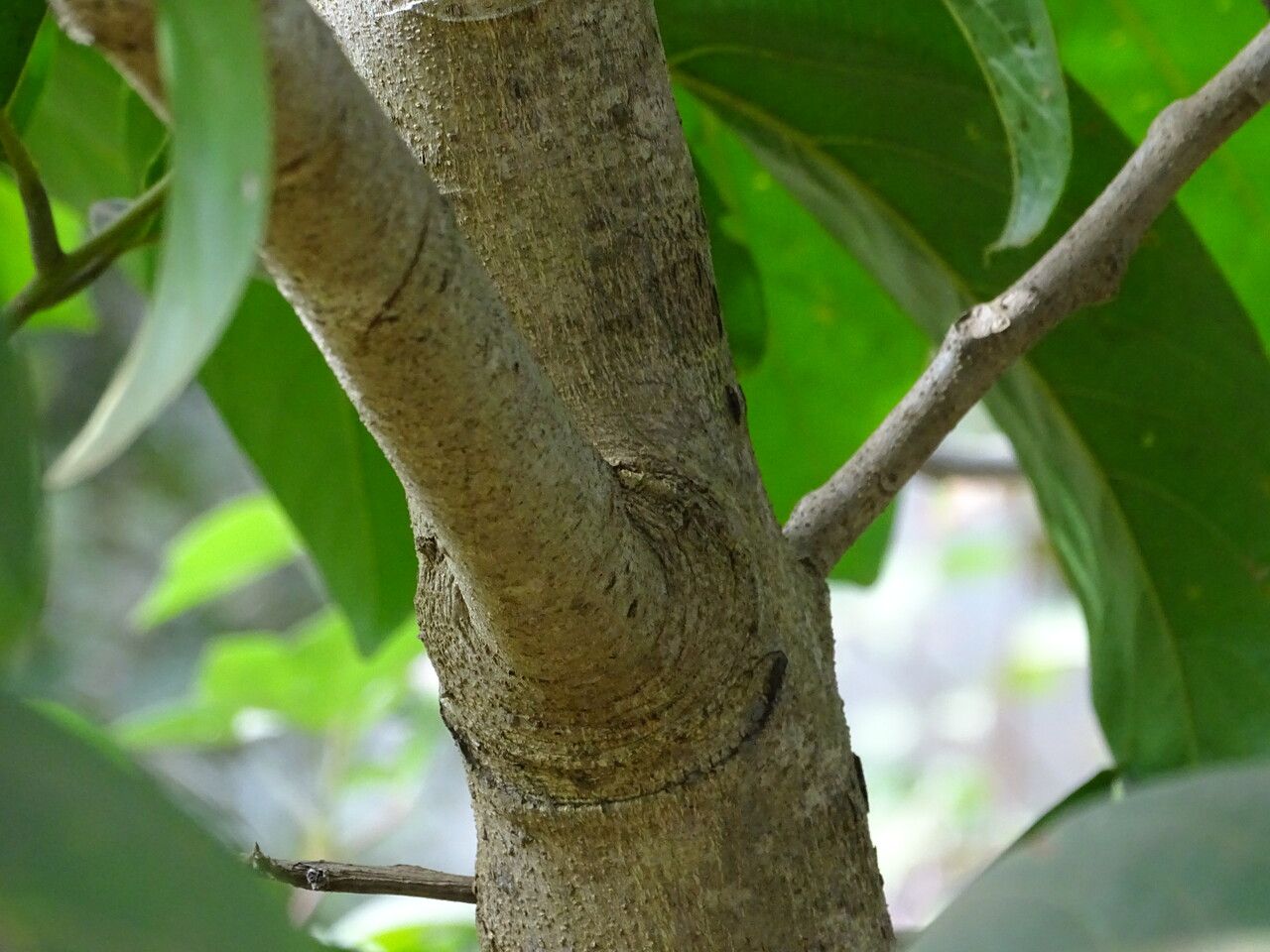
From Seed to Feast: The Joy of Propagating “Spanish Tamarind” (Pseudospondias microcarpa)
The “Spanish Tamarind” (Pseudospondias microcarpa), with its bright green leaves and flavorful, tangy fruit, is a truly special tree. But did you know that propagating your own Spanish Tamarind can be an incredibly rewarding and exciting experience?
This blog post will guide you through the world of Pseudospondias microcarpa propagation, giving you the tools and knowledge to grow your own tasty tropical haven.
Understanding Propagation Methods:
There are two main ways to propagate Spanish Tamarind:
- From Seed: The most common method involves planting the seeds from ripe fruit. While straightforward, this method requires patience as seedlings take time to grow.
- Air Layering: A more advanced technique ideal for larger trees, air layering involves stimulating root growth on a branch before cutting it off. It offers faster results but requires more expertise.
Let’s dive into each method:
1. Propagation from Seed:
- Harvesting: Collect ripe, fully-formed fruit.
- Preparing the Seed: Remove the pulp and gently clean the seed.
- Germination: Soak the seeds in warm water for 24 hours before planting in a well-draining soil mix.
- Conditions: Provide a warm, humid environment (ideally 75-85°F).
- Patience: Expect germination to take several weeks, sometimes up to a few months.
2. Propagation from Air Layering:
- Select a Branch: Choose a healthy, one-year-old branch at least 1 inch thick.
- Scoring: Make a circular cut about 1 inch deep through the bark.
- Root Hormone: Apply a rooting hormone to the exposed wood.
- Moist Environment: Wrap the wounded area with moist sphagnum moss and seal it with plastic wrap.
- Patience: Wait several months for roots to develop.
- Severing: Once roots are established, cut the branch below the air layer and plant it in a pot.
Tips for Success:
- Consistent Moisture: Keep the soil moist but not soggy.
- Watering: Water deeply and avoid frequent shallow watering.
- Light: Provide bright, indirect sunlight.
- Fertilizing: Use a balanced fertilizer every few weeks during the growing season.
- Pest Control: Monitor for pests and diseases, and treat appropriately.
Benefits of Homegrown Spanish Tamarind:
- Freshness: Enjoy the most delicious, freshest fruit possible.
- Sustainability: Propagating from seed or air layering promotes biodiversity.
- Pride: Grow your edible tropical garden from scratch.
Beyond the Basics:
- Experimentation: Try different propagation techniques and discover what works best for you.
- Community Resources: Share your experiences and learn from other plant enthusiasts.
- Future Propagation: Once your Spanish Tamarind is established, you can continue to propagate it for yourself and others.
From the moment you plant a seed or initiate air layering to the day you enjoy the juicy, tangy fruits of your labor, propagating Spanish Tamarind is a rewarding journey. Embrace the process, learn along the way, and savor the sweet satisfaction of enjoying your own homegrown tropical treasure.