
Climbing Tecomanthe: The Easy Way to Multiply Your Green Jewel
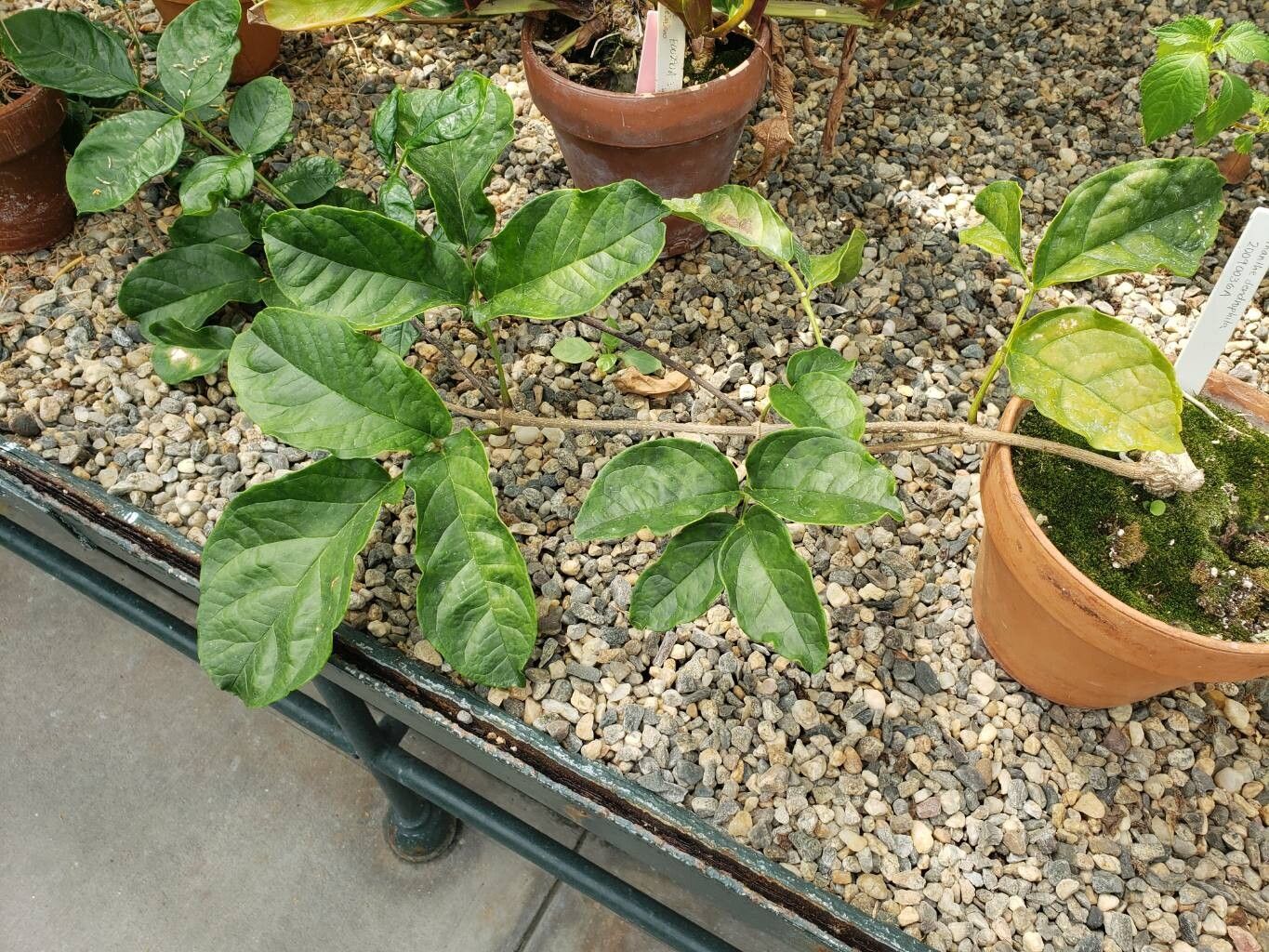
The Tecomanthe dendrophila, also known as the “Trumpet Vine” or “Pink Tecoma,” is a stunning climber boasting vibrant pink blooms and lush foliage. If you’re captivated by this beauty, you might be wondering: how do I get more of it? The answer lies in the wondrous world of propagation.
Propagation, simply put, is the process of creating new plants from existing ones. When it comes to Tecomanthe dendrophila, there are two main methods that will ensure success: stem cuttings and air layering.
Stem Cuttings: A Simple and Effective Approach
Stem cuttings are arguably the easiest way to propagate Tecomanthe dendrophila. This method involves taking a healthy section of stem from your existing plant and encouraging it to develop roots.
Here’s what you’ll need:
- Sharp knife or pruning shears: Essential for making clean cuts.
- Rooting hormone: A powder or liquid that promotes root growth.
- Potting mix: A well-draining mix specifically designed for cuttings.
- Clear plastic bag or dome: To create a humid environment for the cuttings.
Follow these simple steps:
- Choose a stem: Select a healthy, non-flowering stem with several nodes (the bumps where leaves sprout). Cut the stem just below a node, ensuring it’s at least 4-6 inches long.
- Prepare the cutting: Remove all leaves from the bottom inch of the stem, leaving only a few leaves at the top.
- Dip in rooting hormone: If using a powdered hormone, dip the cut end of the stem into it. For a liquid, submerge the end for a few seconds.
- Plant the cutting: Insert the prepared stem into a pot filled with potting mix. Make sure the node is buried in the soil, but the leaves remain above the surface.
- Create a humid environment: Cover the pot with the plastic bag or dome, creating a mini greenhouse effect. This helps retain moisture and promotes root development.
- Place in indirect light: Position the pot in a bright spot but away from direct sunlight.
- Maintain moisture: Keep the soil consistently moist (not soggy) by lightly watering when needed.
The magic will happen in a few weeks! The stem should develop roots and start to grow new leaves, signaling it’s time to remove the plastic cover.
Air Layering: For Larger Branches
If you have a thicker branch you’d like to propagate, air layering is a fantastic technique. It involves stimulating root growth without detaching the branch from the parent plant.
Here’s what you’ll need:
- Sharp knife or pruning shears: For making the incision.
- Rooting hormone: Essential for promoting root growth.
- Sphagnum moss: A damp, airy material that encourages root development.
- Plastic wrap: To keep the moss moist and secure.
Follow these steps:
- Choose a branch: Select a healthy branch with a diameter of about 1-inch.
- Make an incision: Make a ring incision about 1/2-inch deep around the branch, exposing the cambium layer.
- Apply rooting hormone: Generously apply the hormone powder or gel to the exposed area.
- Cover with moss: Wrap the incised area with damp sphagnum moss, ensuring it’s fully covered.
- Wrap with plastic: Securely wrap the moss-covered area with plastic wrap, preventing it from drying out.
- Monitor and wait: Maintain the moisture of the moss by occasionally misting it.
- After roots emerge: Once the roots have formed (usually in 2-3 months), you can cut the branch below the air layer and plant it in a pot.
Enjoying Your Tecomanthe Bounty
With both stem cuttings and air layering, you’ll soon have a multitude of new Tecomanthe dendrophila to fill your garden, patio, or even your home. These versatile climbers can be grown in containers, hanging baskets, or against walls, offering a stunning cascade of pink blooms and lush green foliage for years to come.
Share your propagation success with fellow plant enthusiasts! This is a rewarding and accessible way to expand your green haven and enjoy the beauty of the Tecomanthe dendrophila for generations to come.