
From Seed to Success: The Secrets to Propagating Platycarya Strobilacea
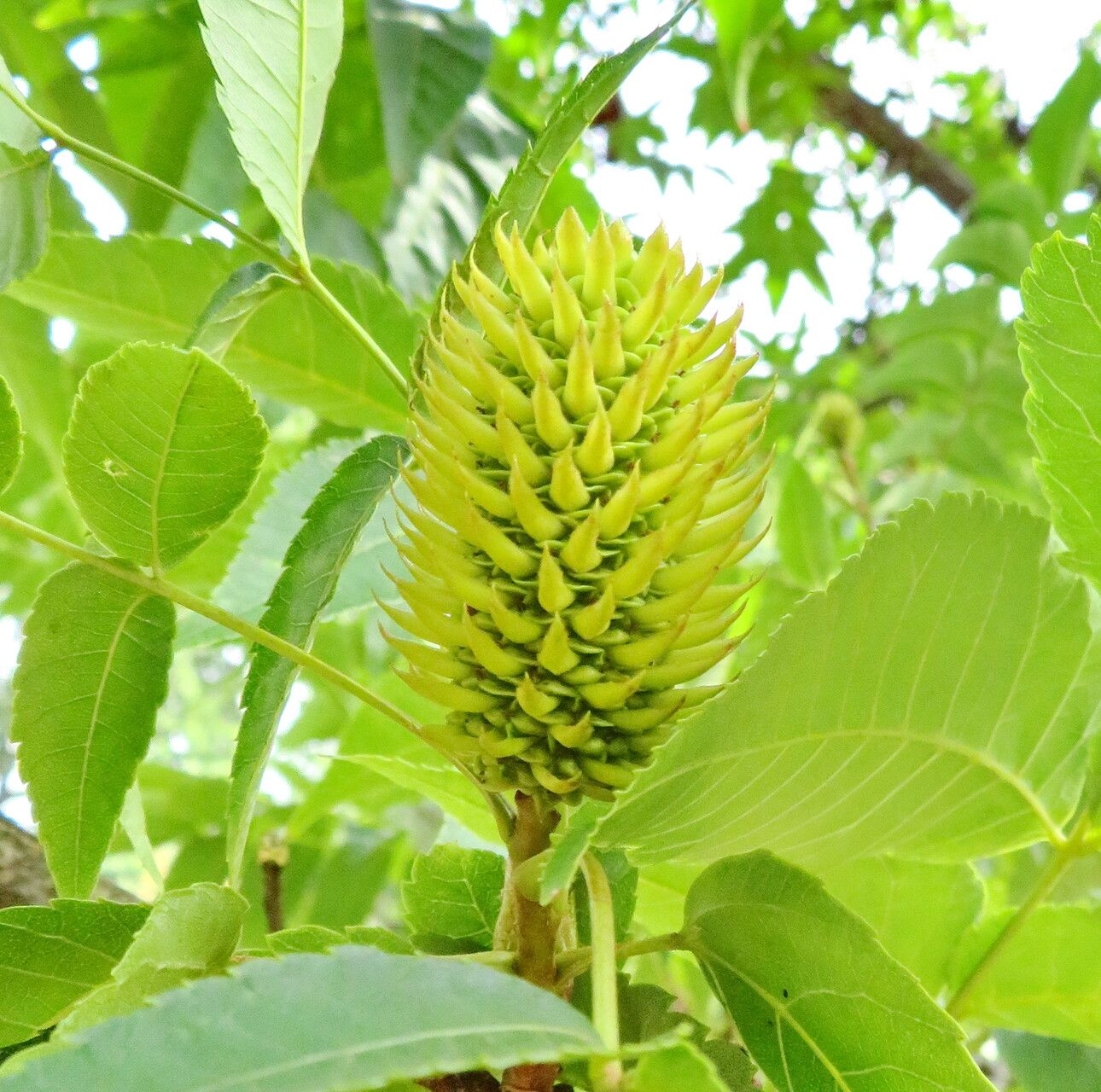
The Platycarya strobilacea, more commonly known as the “Japanese Wingnut,” is a striking tree with a unique charm. Its feathery foliage and curious cone-like fruit make it a standout in any garden, offering captivating beauty and a touch of the exotic. But did you know that this enchanting tree is also remarkably easy to propagate?
From Seed to Sapling: A Journey of Growth
The most common method of propagating Platycarya strobilacea is through seeds. Here’s a step-by-step guide:
- Harvest the Seeds: Collect the mature, brown, cone-like fruit in the fall. These clusters are full of seeds, typically two or more within each cone.
- Extract the Seeds: Carefully remove the seeds from the cones. Gently crack open the cones, and you’ll find the seeds within.
- Pre-Soak and Stratify: Seeds can be sown directly outdoors in the autumn, or you can opt for a controlled environment. To pre-soak, immerse the seeds in a container of water for 24 hours. This process helps soften the seed coat and promote germination. Following the soak, stratify the seeds in a refrigerator for 4-6 weeks. This mimics the natural cold dormancy period that seeds experience in the wild.
- Sowing Seeds: When ready, sow the seeds in a well-drained seed-starting mix. Press them about 1/4 inch deep and water well.
- Maintain Consistent Moisture: Keep the soil moist but not waterlogged.
- Germination and Growth: The seeds should germinate within a few weeks to a month. They require a sunny location and plenty of water to thrive.
Beyond Seeds: Exploring Other Propagation Methods
While seed propagation is the most straightforward approach, Platycarya strobilacea can also be propagated by cuttings.
- Taking Hardwood Cuttings: Collect hardwood cuttings during the dormant season, typically in late winter or early spring. Choose healthy, mature branches.
- Prepare the Cuttings: Cut the branches into 6-12 inch lengths, ensuring each section has at least three buds. Remove the leaves from the bottom third of each cutting.
- Root Hormone Treatment: Apply a rooting hormone to the cut ends of the cuttings to encourage root development.
- Planting the Cuttings: Plant the cuttings in a well-draining potting mix. Ensure optimal moisture and humidity levels.
- Patience is Key: Hardwood cuttings can take a few months to develop roots. Be patient, and keep the soil consistently moist.
The Joy of Propagation: Enjoying Your Own Japanese Wingnut
Whether you choose seeds or cuttings, propagating Platycarya strobilacea is a fulfilling experience. It’s a chance to observe the magic of nature first-hand, from the first tiny sprout to the majestic tree it will become.
As you watch your Japanese Wingnut grow, remember that every branch and leaf holds not just the beauty of this unique tree but also the story of its propagation, a testament to your dedication and the wonder of plant life. This rewarding experience will bring you closer to nature and give your garden a unique and captivating touch.