
Velvet Plant Propagation: From Snipping to Thriving
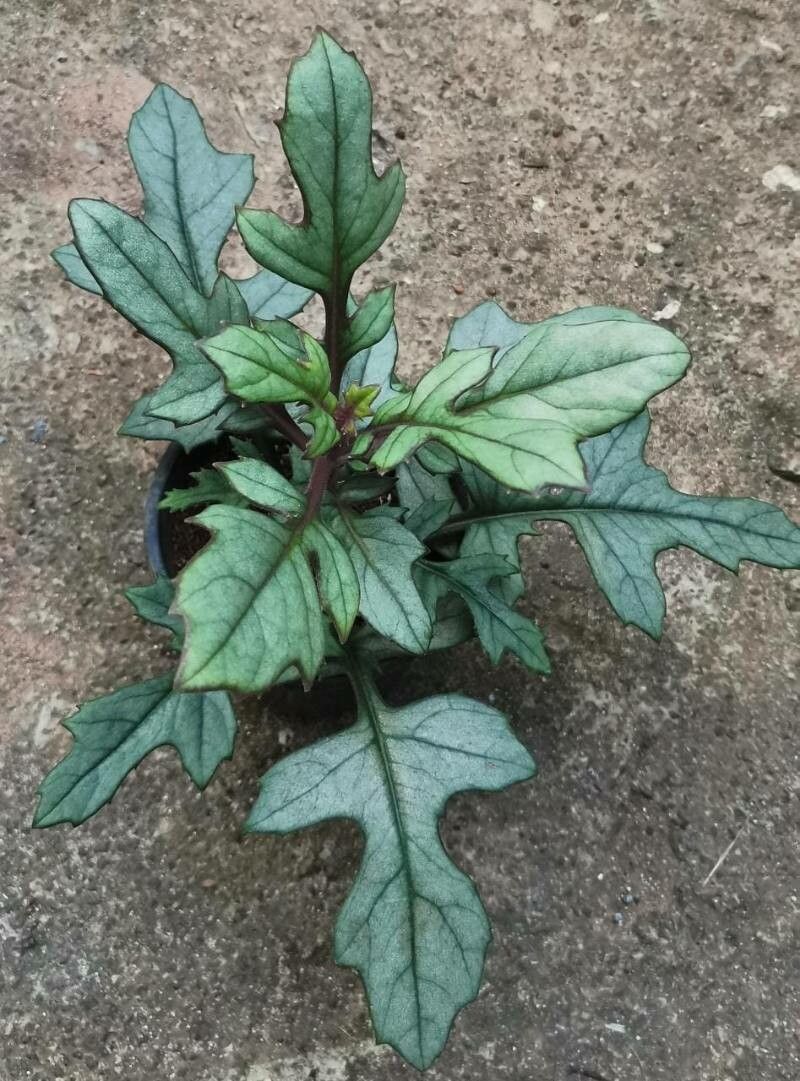
The Gynura bicolor, also known as the Velvet Plant, is a popular houseplant loved for its striking purple foliage and velvety texture. But did you know that this beauty is also incredibly easy to propagate? That means you can easily create new plants from your existing one, expanding your greenery collection without breaking the bank.
This blog post will guide you through the simple steps of propagating your Gynura bicolor, whether you prefer using cuttings or leaves. So, grab your gardening gloves and let’s get started!
The Power of Cuttings
Propagating the Velvet Plant from cuttings is a reliable and quick method:
- The Snip: Choose a healthy stem with at least two sets of leaves. Use sharp, clean scissors or a knife to make a clean cut just below a node, which is the point where a leaf emerges.
- The Dip: This step is optional, but dipping the cut end in rooting hormone powder can encourage faster root development.
- The Soil: Prepare a small pot filled with a well-draining potting mix. You can add a little vermiculite or perlite for extra aeration.
- The Plant: Make a small hole in the soil and insert the cutting, ensuring the node is below the soil line. Gently firm the soil around the cutting.
- The Water: Keep the soil consistently moist but not soggy. Place the pot in a bright, indirect light location.
- The Wait: Roots will start to develop within a couple of weeks. Keep the cutting hydrated and avoid disturbing it too much. Once the roots are established, you can gradually introduce your new plant to more direct sunlight.
Leaf Magic
If you’d rather work with leaves, the Velvet Plant lends itself to this method too. Here’s how:
- The Leaf: Choose a healthy, mature leaf. Don’t worry, it doesn’t have to be large!
- The Cut: Use a sharp knife to cut the leaf at its base, ensuring you get a small portion of the stem.
- The Soil: Prep a small pot with a well-draining potting mix, similar to the cutting method.
- The Plant: Gently press the cut end of the leaf into the soil, ensuring the stem is fully submerged. Water gently.
- The Wait: Again, keep the soil consistently moist. Roots will begin to develop, and new plantlets will emerge from the leaf base.
- The Transplant: Once the new plantlets are a few inches tall, you can gently separate them from the parent leaf and plant them in individual pots.
Tips for Success
- Sunlight: While your Velvet Plant enjoys a bright location, direct sunlight can scorch its leaves. Place your cutting or leaf propagation in a well-lit area without direct sunlight.
- Humidity: The Gynura bicolor thrives in humid environments. You can increase the humidity around your propagation by placing a plastic bag over the pot or misting it regularly.
- Patience: Propagation takes time, so don’t get discouraged if you don’t see results immediately. Be patient, and soon you will have a batch of new Velvet Plants ready to brighten your home.
Conclusion
Propagating your Velvet Plant is an easy and rewarding experience. With a little patience and the right technique, you can create new plants, share them with friends, or simply enjoy the satisfaction of growing your own greenery. So, get your snipping tools ready, and unleash the multiplying potential of your Gynura bicolor!